1 hr ago
Debut Novel ‘Beyond Our Births’ Questions Identity and Belonging
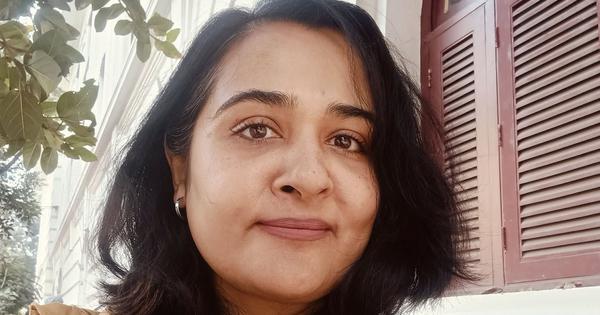
Nimki is a girl who grows up between two families and two countries.
When she is little, her Bangladeshi parents leave her with a Hindu family in West Bengal.
She has a place to live, but she does not feel fully loved or accepted there.
Later, she returns to Bangladesh with her parents and finds that life there is also difficult.
Her father does not want the extra responsibility of raising her.
Nimki makes new connections with her siblings and a girl named Marjina.
She tries to escape and find a life where she can feel free.
The novel asks whether labels like religion, nationality, and class can explain who someone really is.

Antara Mukherjee’s debut novel follows Nimki, a child abandoned by her Bangladeshi Muslim parents and raised by a Hindu family in West Bengal.
The story traces Nimki from ages five to 15 as she moves between the Sengupta household in Kolkata and her family’s village in Bangladesh.
The novel examines how caste, class, religion, nationality, and gender shape identity and a person’s sense of belonging.
In Bangladesh, Nimki faces her father’s reluctance to accept her and a hurried effort to arrange her marriage.
After forming bonds with her younger siblings and Marjina, Nimki attempts a dangerous escape across the Ichhamati River.
- Who
- Nimki, the protagonist of Antara Mukherjee’s debut novel.
- What
- A novel follows Nimki’s life between an adoptive household in West Bengal and her birth family in Bangladesh.
- Where
- Kolkata and other parts of West Bengal, and a rural village in Bangladesh.
- When
- Nimki’s story spans from age five to 15.
- Why
- The novel explores identity, belonging, love, and how social markers shape people’s lives.
Key facts
- Book
- Beyond Our Births
- Author
- Antara Mukherjee
- Publisher
- Bloomsbury India
- Protagonist
- Nimki
- Nimki’s age range
- Five to 15
- Key themes
- Identity, belonging, love, and social divisions
- Escape route
- The Ichhamati River at Taki during Bisorjon
Quotes
Antara Mukherjee
Author of Beyond Our Births
“Their lack of language made them understand each other. They could neither hurt nor delve deep, but heal each other nevertheless with their faithful empathy.”
 scroll.in
Sources
Related news
Nimki’s Hidden Past Unfolds Inside the Sengupta Home
Documentary Explores Adoption, Identity and Belonging in Indian American Family

Fiction: Dalit Man Confronts Caste Identity in Upper-Caste Colony
Pia Ghosh-Roy’s Debut Novel Explores Trauma Across Three Generations
A Book Traces Climate Refugees’ Journey from Bangladesh to Kolkata

Six New Indian Novels Arrive for October's Festive Season

Twelve Bangladeshi Nationals Apprehended in Assam; Trafficking Suspected

Hasan Mahmud Hat-Trick Puts Bangladesh Ahead Against Afghanistan

DRI Seizes 7.8 Kg Smuggled Gold, Arrests Six

DRI Seizes Rs 8.98 Crore Gold in Visakhapatnam