1 month ago
China's Dual Power: Industrial Strength Amid Economic Weakness

China is a huge factory that makes a lot of solar panels, electric cars, batteries, and special minerals.
But its own economy is in trouble because a big part of it is real estate, which has lost a lot of value.
The government has borrowed a lot of money to build things that aren’t used, and now it can’t pay back easily.
Because Chinese factories can make things cheaply, they sell them all over the world, which makes other countries depend on China.
This gives China some power, but it also hurts its own people.
The United States should focus on protecting important technology, work with allies like India, and give other countries good alternatives to China’s help.

China dominates global solar, EV, battery, and rare earth production.
The collapse of China’s property market erodes household wealth and consumer confidence.
Local government debt and “zombie” assets limit China’s ability to fund overseas projects.
China exports subsidized goods, creating supply‑chain dependencies and geopolitical leverage.
U.S. strategy should target tech chokepoints, strengthen alliances, and offer alternative infrastructure.
- Who
- China, United States, India, global markets
- What
- China’s economic duality and its geopolitical implications
- Where
- China, global markets, and partner countries
- When
- Present day
- Why
- To explain China’s industrial power and domestic vulnerability
Key facts
- Global manufacturing dominance
- Over 80% of world solar, leading EV, battery, and rare earth production
- Domestic debt burden
- Local government financing vehicles have created trillions in non‑performing loans
- Property market share
- Real estate historically accounted for nearly 30% of China’s GDP
- Export strategy
- Subsidized goods flood global markets, creating supply‑chain dependencies
- U.S. policy focus
- Target tech chokepoints, strengthen Quad/AUKUS, offer alternative infrastructure
Sources
Related news
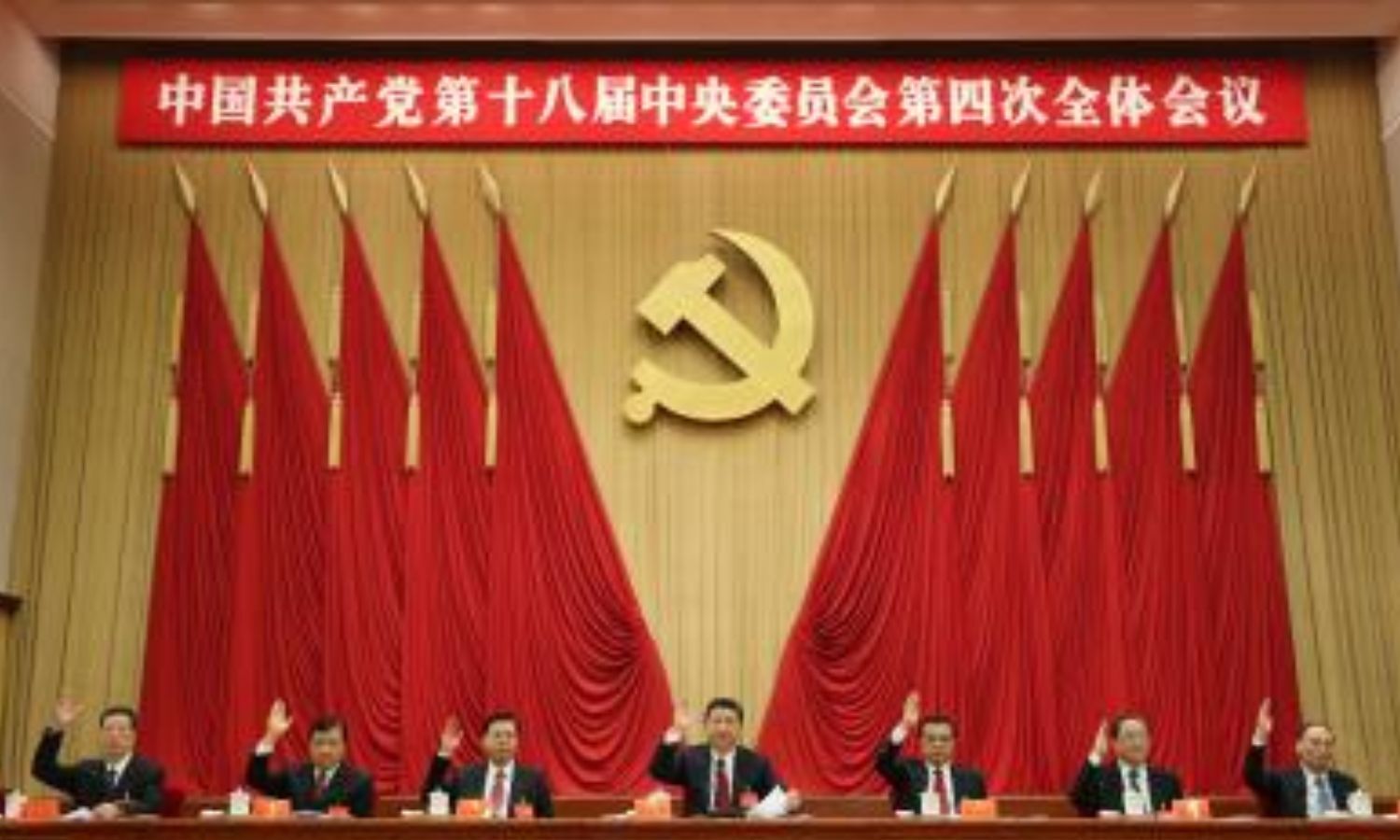
China's superpower ambition faces mounting challenges, report says

China's Innovation Push vs Economic Crisis: A High-Stakes Gamble

China's Record Trade Surplus Risks Global Economic Crisis, Analysis Warns
America's Strategy Shifts From Global Control Toward Open Leadership
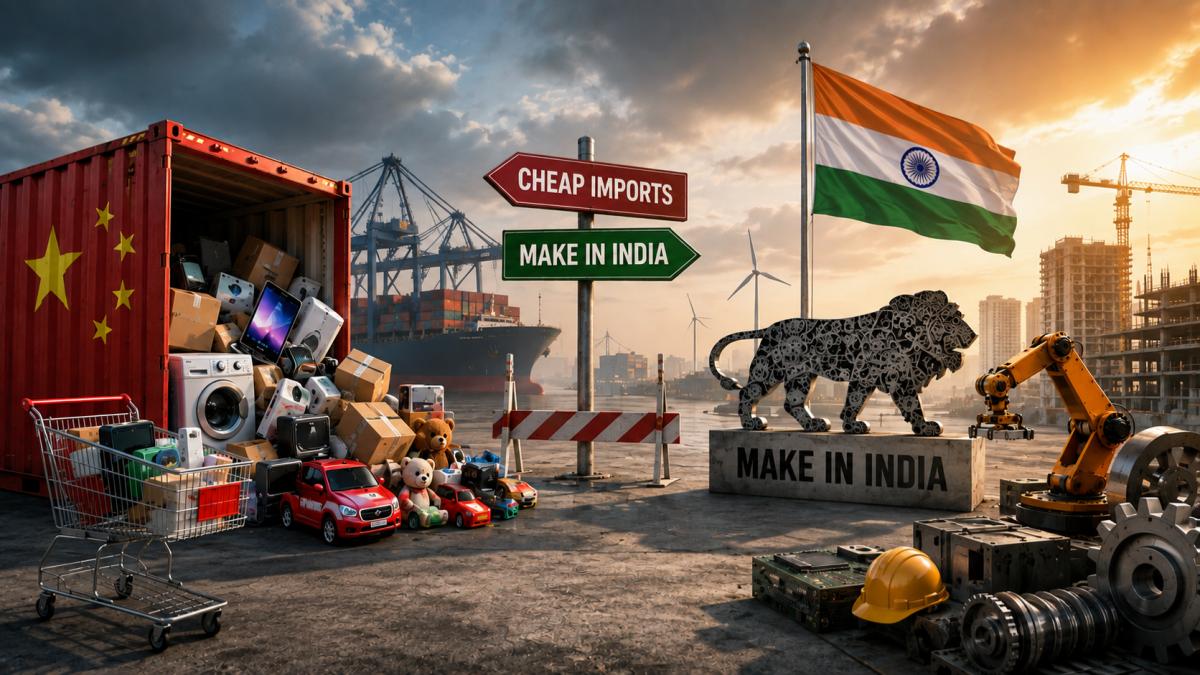
Cheap Chinese Imports Test India’s Make in India Strategy
China's SCO Power Grab Shapes Global Alliances and Trade

Evening News Roundup Covers Banks, China, Gen Z And Entertainment

France Reports Nearly 7,000 Heatwave Deaths Through July

Belgian PM Warns Europe Trails US and China
Trump Says Iran War Will End Soon After US Strikes

India’s Tyre Boom Highlights Three Uneven Stock Stories