3 weeks ago
China's superpower ambition faces mounting challenges, report says
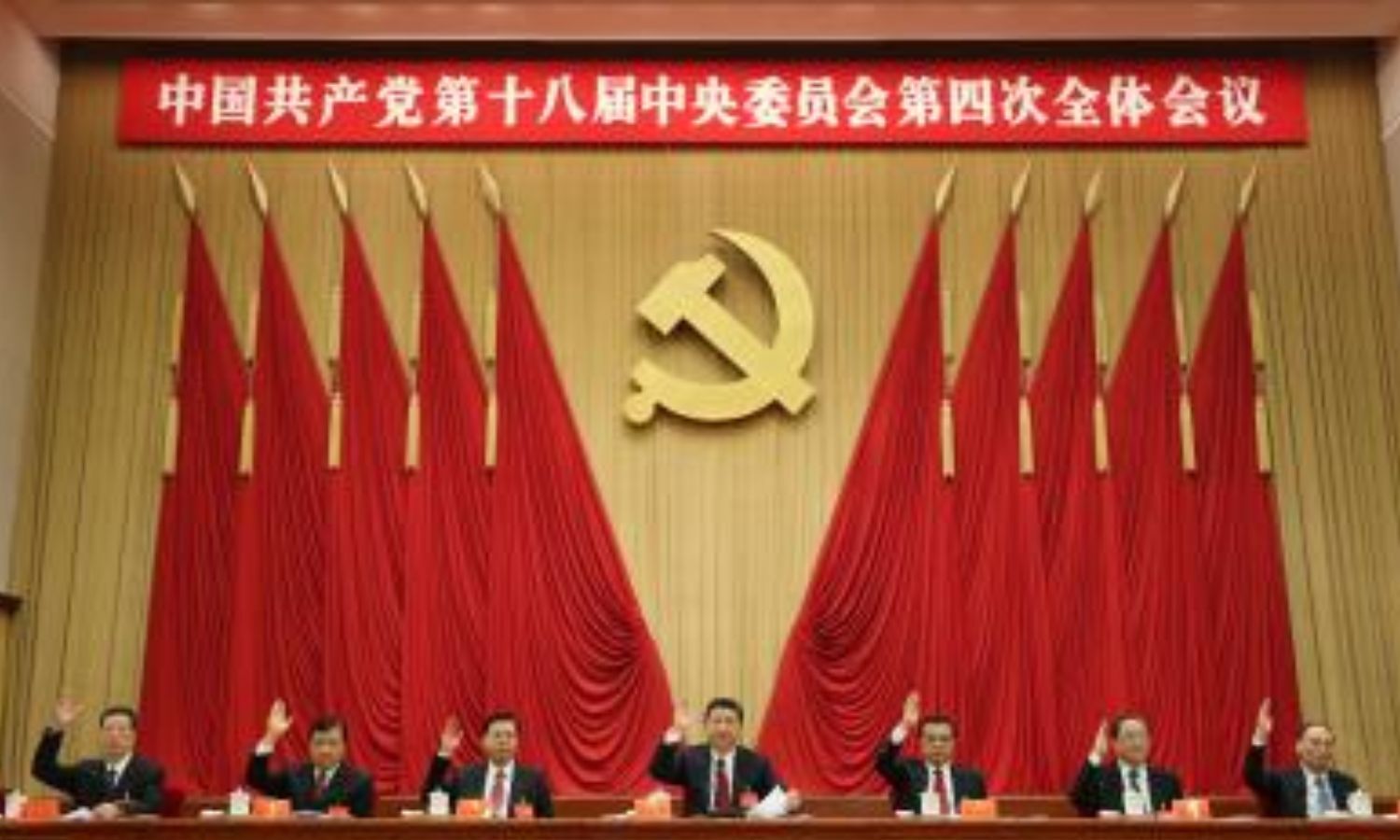
China's leaders have long dreamed of making their country as strong as, or stronger than, the United States.
They believe this can be achieved through two things: economic power and military strength.
But a new report says this path is getting harder.
China's economy is slowing down, fewer babies are being born, and other countries are pushing back.
After reforms by leader Deng Xiaoping, China saw economic success as the key to its power.
Yet there are problems: youth unemployment is high, property markets are unstable, and local governments carry heavy debts.
On the military side, China has built a very modern military with powerful weapons and navy ships.
But this has led to tensions with the United States, India, and other countries.
The report says economic slowdown, an aging population, and pushback from other nations are three big challenges.
Even though the superpower dream is not unrealistic, the road ahead is uncertain.

A report by Khedroob Thondup, nephew of the Dalai Lama, says the Chinese Communist Party's superpower ambition rests on economic might and military strength.
China's economic model is showing cracks, including high youth unemployment, unstable property markets, and heavy local government debt.
Beijing has modernized its military with blue-water naval capabilities, cyber warfare units, and advanced missile systems.
Military tensions include disputes with the US over Taiwan, clashes with India along the Himalayan border, and South China Sea confrontations.
The report identifies economic slowdown, demographic decline, and geopolitical pushback as three enduring challenges to China's ambitions.
- Who
- The Chinese Communist Party (CCP) and its leadership, as analyzed by Khedroob Thondup, nephew of the Dalai Lama.
- What
- China's ambition to become a global superpower is facing mounting economic, demographic, and geopolitical challenges.
- Where
- Report originated in Brussels; focuses on China's global ambitions and tensions in Asia (Taiwan, South China Sea, Himalayan border).
- When
- Current period, based on a recent report published in the European Times.
- Why
- China wants to stand shoulder to shoulder with or above the United States, but slowing growth, demographic decline, and foreign resistance are testing its path.
Supporters of China's rise
Critics highlighting challenges
Feasibility of superpower status
Supporters of China's rise
China's superpower vision is realistic and rooted in decades of careful planning, backed by economic reach and military modernization.
Critics highlighting challenges
The trajectory is contested and uncertain, with economic fragility, demographic decline, and military assertiveness undermining the CCP's ambitions.
Role of economic and military power
Supporters of China's rise
Economic prosperity and military strength are the legitimate cornerstones of national power and geopolitical influence.
Critics highlighting challenges
The drive for wealth and military power exposes new vulnerabilities, provoking resistance and raising doubts about sustainability.
Key facts
- Report author
- Khedroob Thondup, nephew of the Dalai Lama
- Publication
- European Times
- Report origin
- Brussels
- Two pillars of ambition
- Economic might and military strength
- Three major challenges
- Economic slowdown, demographic decline, geopolitical pushback
- Economic concerns
- High youth unemployment, unstable property markets, heavy local government debt
- Areas of tension
- US tensions over Taiwan, Himalayan clashes with India, South China Sea disputes
- Key reform era
- Reforms introduced by former leader Deng Xiaoping
Quotes
Khedroob Thondup
Nephew of the Dalai Lama, author of European Times piece
“"First, economic slowdown. Growth is no longer guaranteed, and the CCP’s legitimacy is tied to prosperity. Secondly, demographic decline. A shrinking workforce and ageing population threaten long-term productivity. The last is geopolitical pushback..."”
 thehansindia.com
“"Yet military expansion invites confrontation. Tensions with the US over Taiwan, clashes with India along the Himalayan border, and disputes in the South China Sea all test Beijing’s ability to wield its growing arsenal without triggering escalation."”
thehansindia.com
Sources
Related news
Why Delhi Should Bargain Hard With Xi’s China

China's Innovation Push vs Economic Crisis: A High-Stakes Gamble

China's Tibet Policy Called Empire-Building; Amnesty Condemns Activist Arrest

Naravane Says China Is India’s Main Long-Term Competitor
China’s Indian Ocean Expansion Drives India’s Fleet Buildup

Beyond Growth, India's Task Is to Help Shape the World

Trump administration weighs chip tariffs amid AI industry warnings

Why India Must Conserve Forex Despite Strong GDP Growth

CM Vijay Plans Britain Tour to Attract Tamil Nadu Investment

US and Australia Commit $580 Million for Pacific Islands

Tamil Nadu CM Vijay Plans UK Investment Outreach