1 hr ago
How Education Inequalities Shift Across India’s Education–Employment Lifecycle
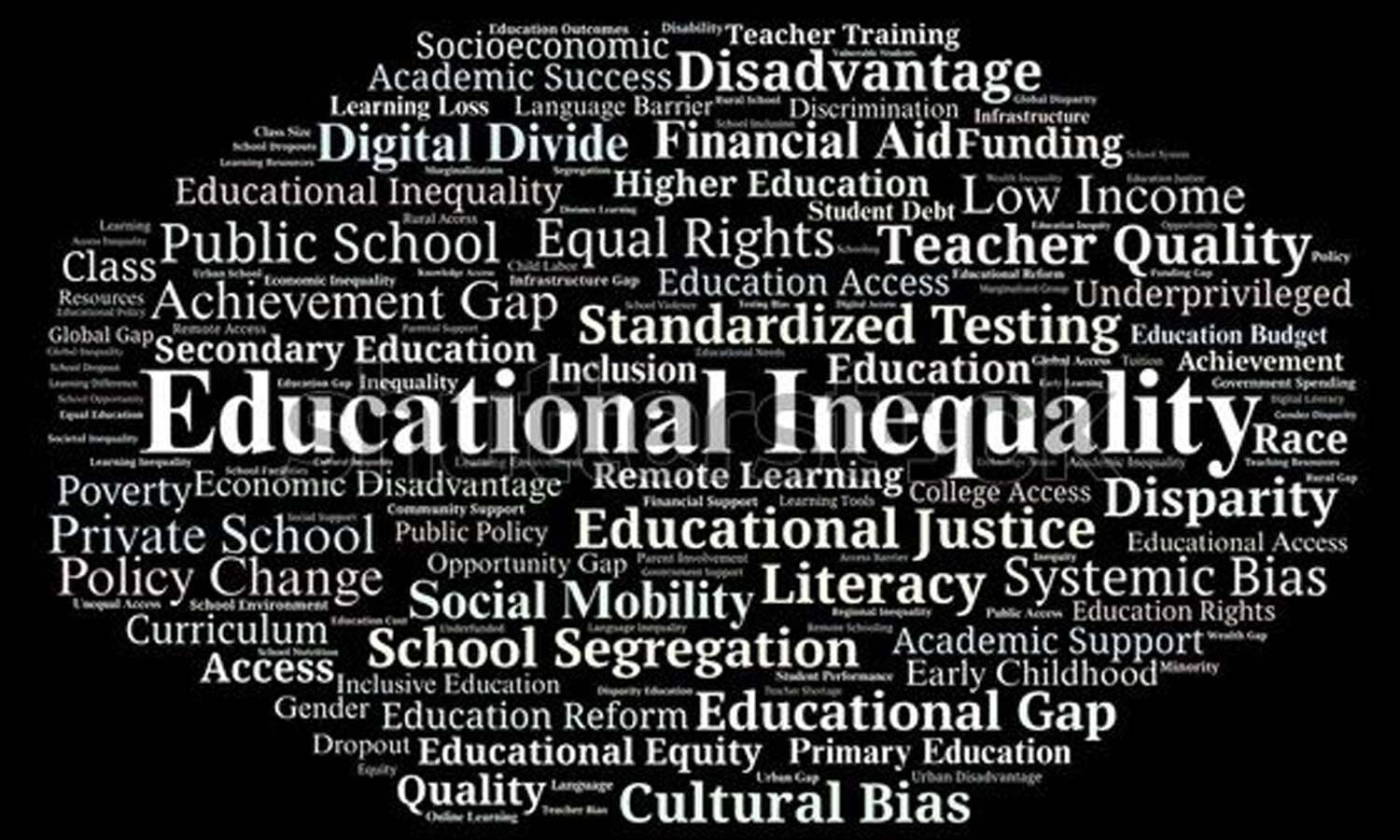
Education can help people gain skills, find better jobs, and improve their lives.
But children do not always receive the same quality of education, even when they attend school.
Differences can begin in early childhood when access to good pre-primary learning is unequal.
These differences may grow through school because students have unequal resources, teaching, technology, and learning environments.
Completing the same number of school years also does not guarantee that students learn the same skills.
Later, social identity, connections, and hiring practices can affect who gets jobs and better pay.
This means inequality can move from early education into employment instead of disappearing.
India has greatly expanded elementary education, but gaps remain at other levels.
Telangana has made major progress, while questions remain about education quality and whether higher attainment leads to better work outcomes.

Education can expand opportunity, capabilities, productivity, mobility, and social welfare, but unequal access continues to limit these benefits.
As economies demand longer schooling and adaptable skills, inequalities increasingly arise in education quality, learning outcomes, and employability.
Equal access to schools does not guarantee equal capabilities because social, institutional, and environmental factors affect learning and opportunity.
In India, elementary education has become nearly universal, but major disparities remain in pre-primary, secondary, and higher education.
Telangana has improved educational access, yet gaps in early education, quality, skills, and graduate employability remain concerns.
- Who
- Children, students, graduates, disadvantaged social groups, employers, and policymakers, with particular attention to caste and other social identities.
- What
- An analysis of how educational inequalities develop, accumulate, and change into unequal employment and earnings outcomes.
- Where
- India, with specific attention to Telangana and its earlier history within Hyderabad State and combined Andhra Pradesh.
- When
- The article examines historical developments and changes over recent decades, including educational gains among younger cohorts during the past three decades.
- Why
- To understand how differences in early education, schooling quality, skills, and social conditions affect labour-market integration and economic mobility.
Key facts
- Education target
- Global norms increasingly emphasise keeping children aged 6–17 in school and completing at least 12 years of formal education.
- Early childhood
- Ages 3–5 are identified as a critical period for cognitive development and pre-primary education.
- India’s progress
- Elementary education has become nearly universal, although inequalities remain among enrolled students.
- Continuing disparities
- Major gaps persist at the pre-primary, secondary, and higher education levels, especially for disadvantaged social groups.
- Quality concerns
- Inequalities include differences in learning outcomes, medium of instruction, school management, age–grade alignment, and access to digital resources.
- Early-childhood provision
- Integrated Child Development Services, delivered through Anganwadi centres, supports nutrition for children aged 3–5, but its quality of pre-primary education is described as limited.
- Telangana
- Attendance among school-age children is near universal, but gaps remain in pre-primary and higher education, as well as in quality and graduate employability.
Sources
Related news

India Urged to Align Education With Employment Demand
India's engineering education needs quality reset in AI era
Mishra Says India Must Democratise Capital Amid Growth Challenges

Mumbai Discussion Says Education Access Can Reduce Social Inequality
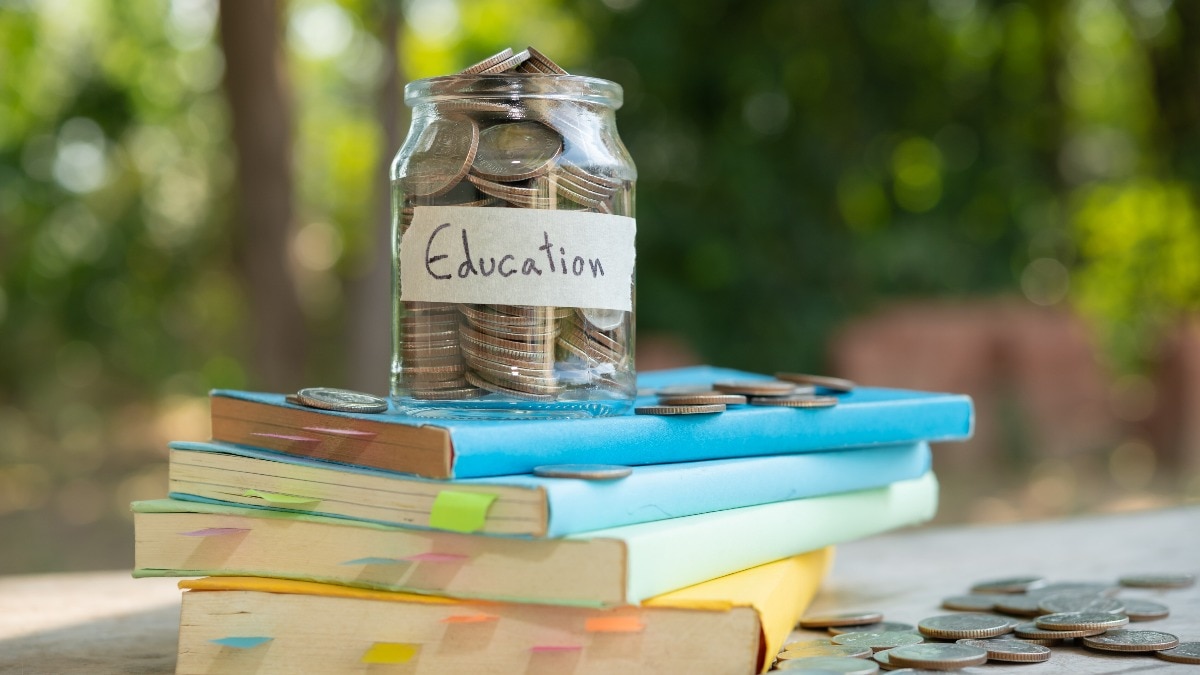
India-China Education Leadership Gap Shapes Technology Divide
AISA Chief Calls Inclusive Education Essential for Social Progress
India’s GDP Paradox: Strong Growth, Uneven Economic Reality
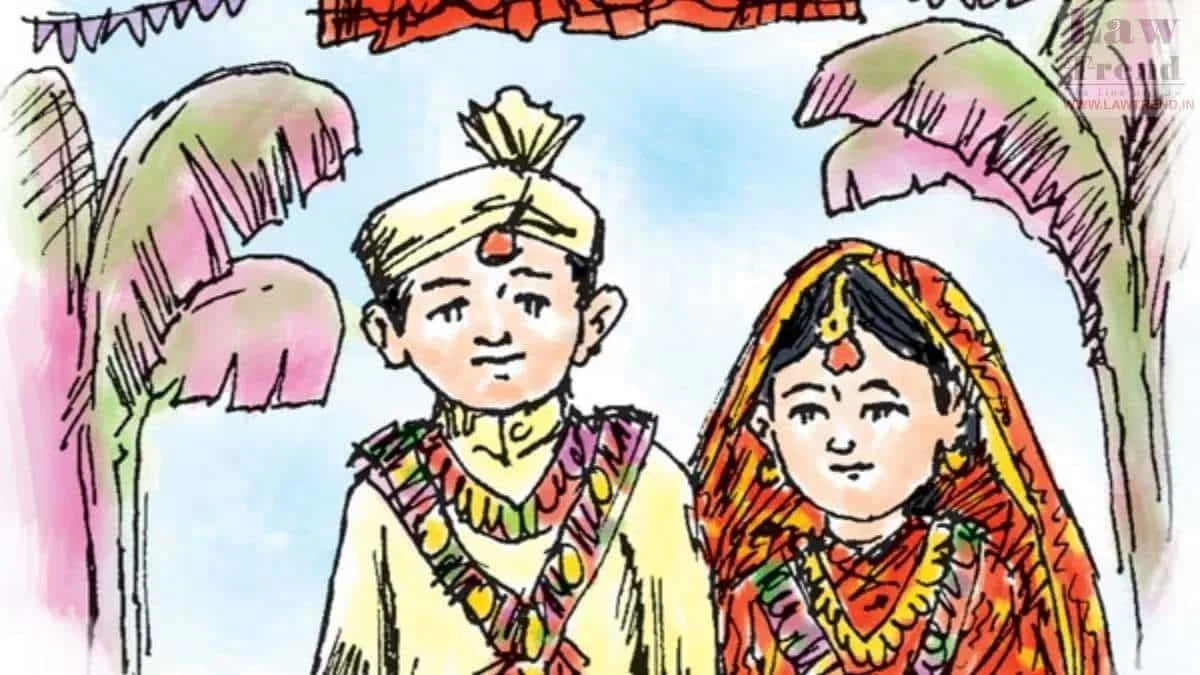
Education is India's most powerful tool against child marriage
How Kolkata's Indian Coffee House Became a Freedom Movement Hub
Missing Women: India's Skewed Sex Ratio Concerns