5 days ago
Readers Debate Women’s Clothing and Nepal Flood Relief

The letters talk about two important issues.
One issue is whether women should be free to choose their own clothes.
One writer says clothing rules can be used to control women.
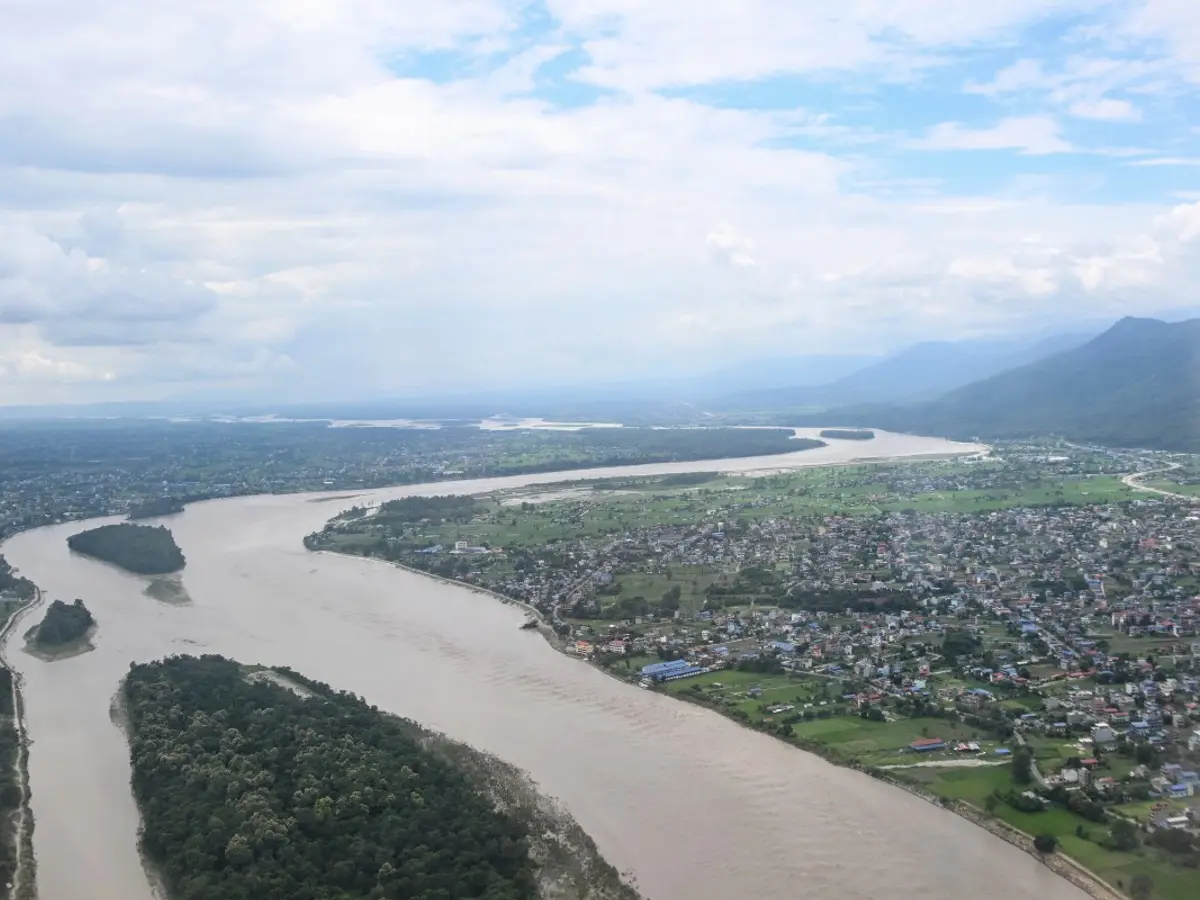
The other issue is severe flooding near the Nepal-Tibet border.
People disagree about the exact number of deaths and what caused the disaster.
Some letters mention an earthquake and avalanche, while another connects the floods to the climate crisis.
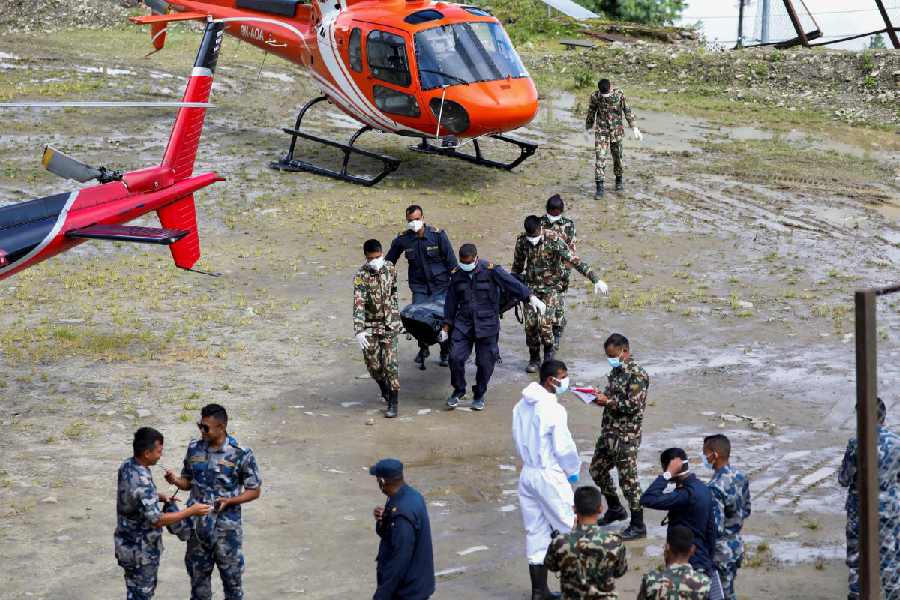
The writers praise India for helping Nepal and searching for missing people.
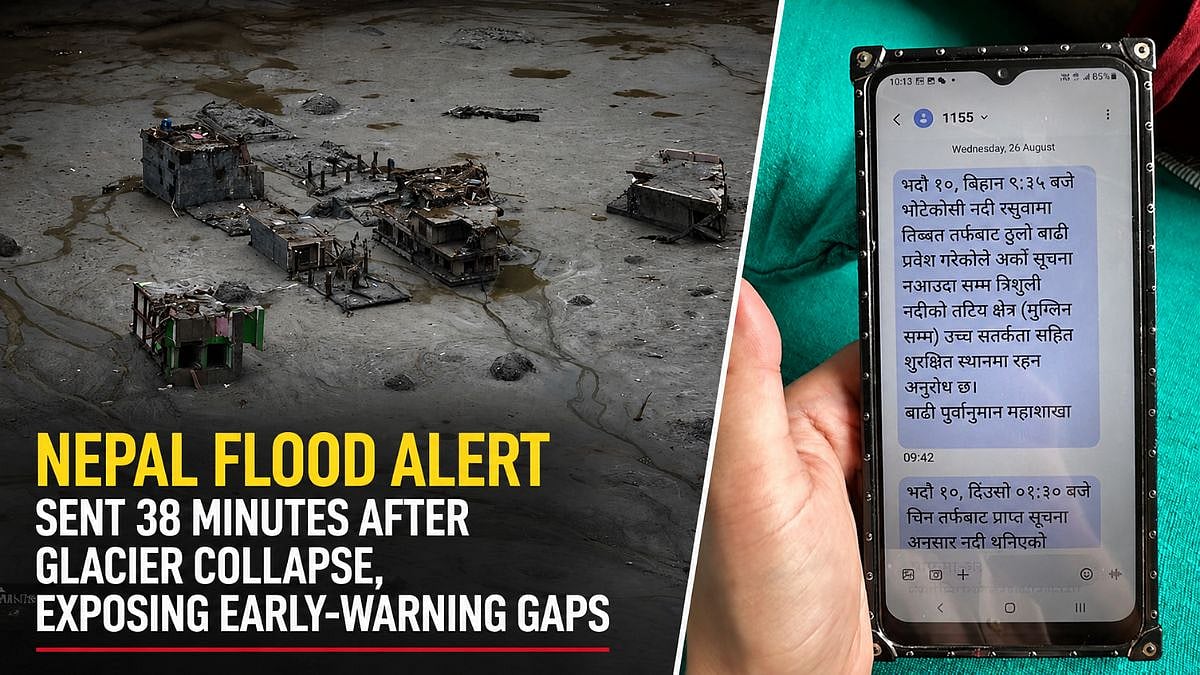
They also want countries to provide more aid and improve warning systems.

Readers argued that women should decide their own clothing, while others may impose cultural, religious or workplace expectations.
Letters praised India’s promised rescue and relief efforts for flood-hit Nepal and the search for 37 missing Tamil Nadu tourists.
Reports cited differing death tolls, including around 359, at least 177 and about 500 people.
One letter said 750 people were missing, including 133 Indians, while another highlighted the reported deaths of Indian tourists and others.
Readers called for international aid, early-warning systems, climate resilience and long-term reconstruction support for Nepal.
- Who
- Women, Indian authorities, Nepalese and Tibetan communities, missing tourists, and international relief providers are discussed.
- What
- Readers debated who should decide women’s clothing and urged assistance for deadly floods near the Nepal-Tibet border.
- Where
- The clothing debate concerns India, while the disaster occurred along the Nepal-Tibet border and affected areas including Bihar.
- When
- The letters were published on August 28, 2026; the timing of the floods is not specified.
- Why
- The clothing debate concerns personal freedom, control and social expectations; the calls for aid respond to deaths, missing people and extensive flood damage.
Personal Choice and Climate Resilience
Social Expectations and Immediate Response
Who should decide women’s clothing?
Personal Choice and Climate Resilience
Women should decide what to wear, with choices guided by personal freedom and practical circumstances rather than restrictive patriarchal expectations.
Social Expectations and Immediate Response
Cultural, religious, workplace and other societal norms have historically shaped expectations about women’s clothing, and public figures, politicians, courts and workplaces have participated in the debate.
How should the Nepal disaster be understood and addressed?
Personal Choice and Climate Resilience
One reader linked the tragedy to the escalating climate crisis and called for long-term climate-resilience funding, sustainable land-use planning and early-warning systems.
Social Expectations and Immediate Response
Another reader described it as nature’s fury and said authorities failed to provide advance flood warnings, while emphasizing immediate rescue, relief and international assistance.
Key facts
- Publication
- MyVoice letters dated August 28, 2026
- Clothing debate
- Readers discussed criticism of actress Kriti Sanon’s advertisement and women’s freedom to choose their attire.
- Missing people
- One letter reported 750 missing people, including 133 Indians.
- Reported casualties
- Letters cited differing figures: around 359 deaths, at least 177 deaths, and about 500 Indian tourists and others dead.
- Missing tourists
- Tamil Nadu authorities were described as trying to trace and rescue 37 missing tourists from the State.
- Reported disaster damage
- Buildings, hydropower projects, bridges, roads and houses were reportedly damaged or washed away.
- Relief proposals
- Readers called for humanitarian aid, early-warning systems, sustainable land-use planning and long-term climate-resilience funding.
Sources
Related news

Mehbooba Mufti Questions Who Decides What Women Wear

Rakhi Advertisement Withdrawal Rekindles Debate Over Women’s Clothing

Rahul Gandhi Backs Kriti Sanon Amid Raksha Bandhan Ad Row

Letters Debate Women’s Clothing, Electoral Data, UPI and Green Spaces

Madhu Chopra, Kriti Sanon Clash Over Raksha Bandhan Ad

Madhu Chopra Defends Boundaries Amid Kriti Sanon Rakhi Ad Row
Nepal Plans New Landslide Warning System Along China Border

Nepal Thanks India as Glacial Disaster Rescue Efforts Continue
Nepal Warns of Heavy Rain After Deadly Floods
Nepal Flood Exposes Delayed Alerts and Cross-Border Warning Gaps

Bhotekoshi Flood Crisis: Nepal PM Shah Calls for Courage