1 week ago
E20 Debate Intensifies Over Consumer Choice and Pricing
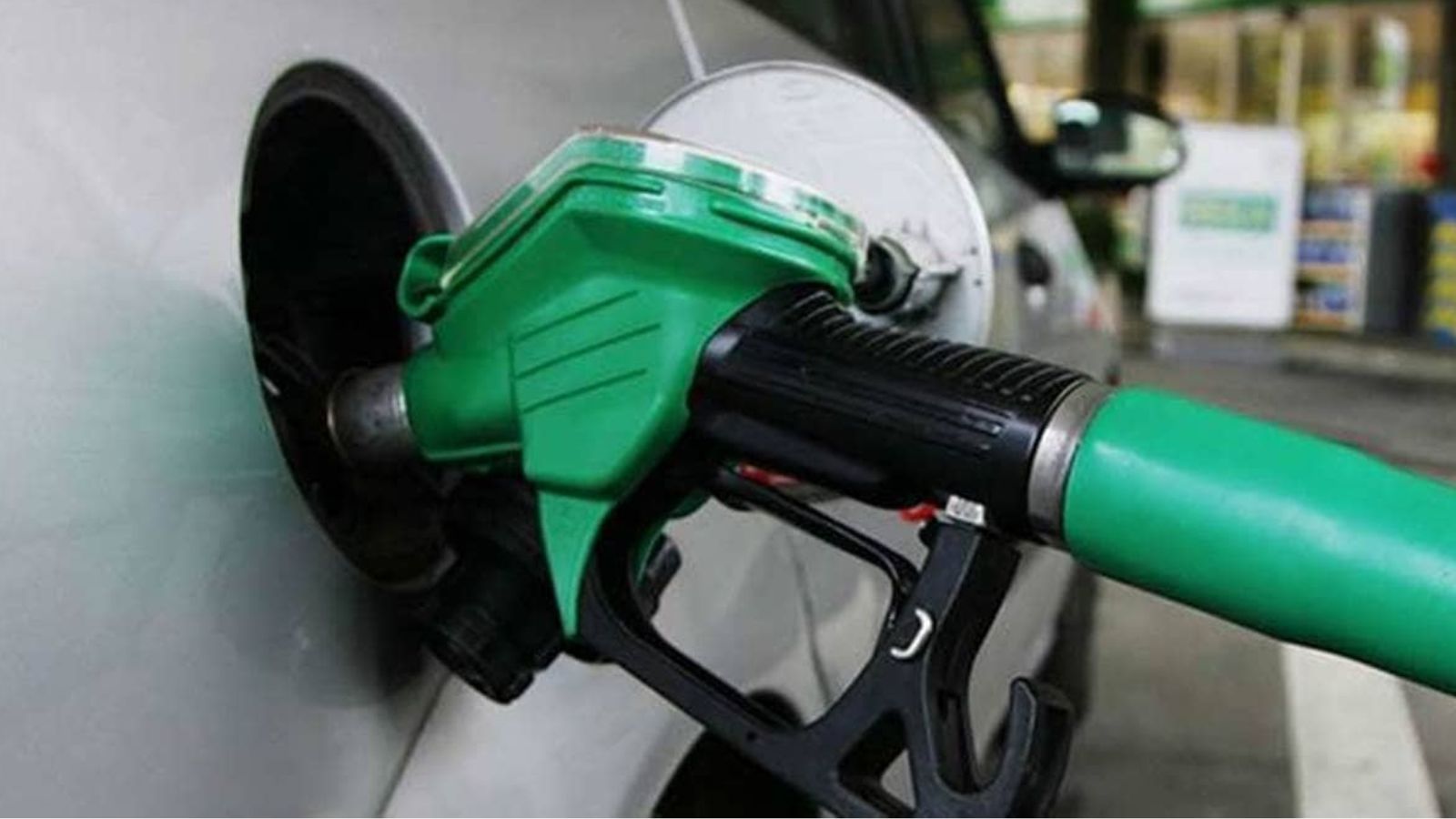
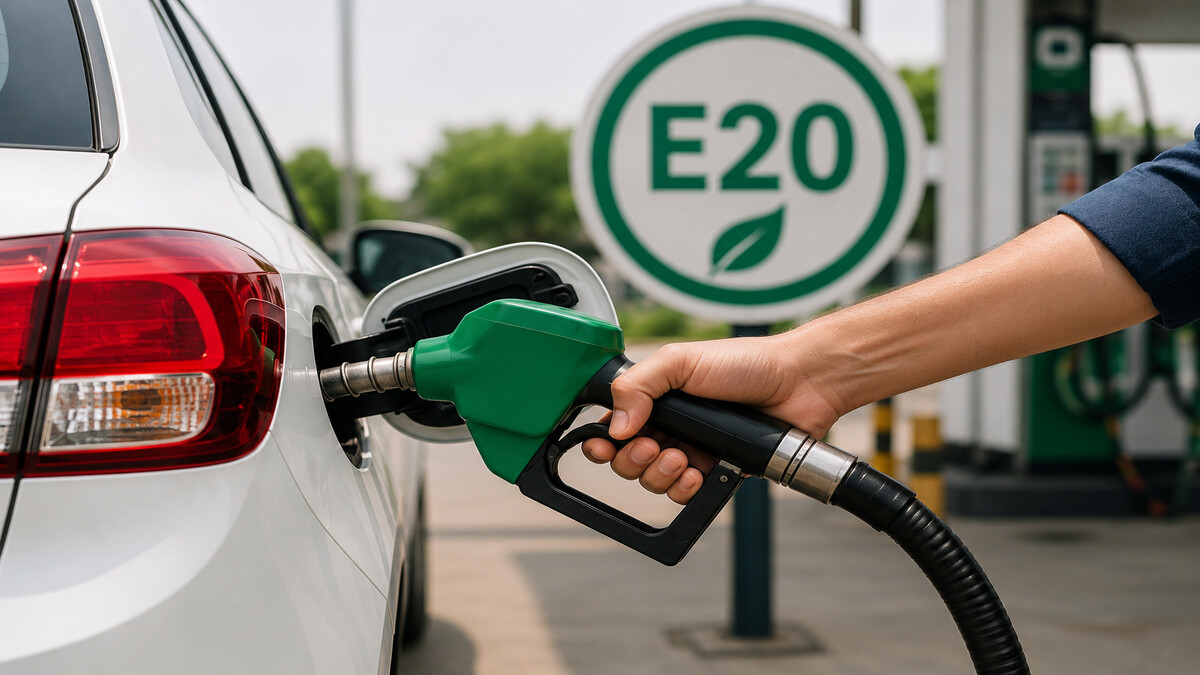
E20 is petrol mixed with 20% ethanol.
The government says using ethanol can reduce pollution, oil imports and the country’s exposure to supply problems.
However, some drivers believe their vehicles travel fewer kilometres with E20.
They also say they do not see a cheaper price to make up for the possible mileage loss.
The article suggests that petrol stations could sell different blends, such as E5, E10 and E20, at different prices.
This would let people choose the fuel that suits them.
A lower price might persuade drivers to accept slightly lower mileage.
The government points to lower petrol-price increases in India than in Europe and South Asia as evidence of broader benefits.
Many consumers find it difficult to value savings based on what might otherwise have happened.

India’s ethanol blending rate rose from 10% in 2021-22 to 19.2% in 2024-25 and is now set at 20%.
The government says E20 reduces fossil-fuel use, emissions and oil-import dependence while protecting against geopolitical supply disruptions.
Consumers and officials say E20 may reduce mileage by 3-5% without providing a visible price benefit.
The article proposes offering petrol, E5, E10 and E20 at different prices so consumers can choose and transition gradually.
Government estimates cited say E20 costs more to produce than pure petrol when crude is around $70 a barrel or lower, but ethanol becomes cheaper when crude reaches $120-130 a barrel.
- Who
- The Indian government, consumers, vehicle owners and government officials are central to the debate.
- What
- The debate concerns the rollout of E20 petrol and whether fuel choices with differential pricing should be offered to consumers.
- Where
- India, including its petrol stations and public debate on social media.
- When
- The blending pilot began in 2001; E5 was attempted in several states in 2006; blending reached 10% in 2021-22, 19.2% in 2024-25 and 20% subsequently.
- Why
- The government views ethanol blending as a way to reduce fossil-fuel use, emissions and import dependence, while critics want visible savings to offset possible mileage losses.
Consumer Choice and Immediate Savings
National Energy Strategy and E20 Rollout
Mileage and price
Consumer Choice and Immediate Savings
Consumers bear a possible 3-5% mileage reduction without a tangible price benefit; cheaper blended fuel could compensate for part of that loss.
National Energy Strategy and E20 Rollout
The government emphasizes that ethanol blending can reduce import dependence, emissions and exposure to global supply shocks, even if those benefits are not directly visible at the pump.
Fuel availability
Consumer Choice and Immediate Savings
Petrol stations should offer petrol, E5, E10 and E20 at different prices so consumers can choose and transition voluntarily.
National Energy Strategy and E20 Rollout
The article says such a system faces major implementation hurdles, while the nationwide move to E20 supports a long-term shift away from fossil fuels.
Evidence of savings
Consumer Choice and Immediate Savings
Consumers may find it difficult to accept savings based on prices that might otherwise have occurred, rather than on a lower price they can see immediately.
National Energy Strategy and E20 Rollout
The government compares India’s smaller petrol-price increase with those in Europe and South Asia and says E20 helped keep prices lower despite an Indian crude basket averaging above $100 a barrel.
Key facts
- Current blending level
- E20, meaning petrol blended with 20% ethanol.
- Blending progress
- The rate rose from 10% in 2021-22 to 19.2% in 2024-25 and is now set at 20%.
- Programme history
- The ethanol-blending pilot was launched during Atal Bihari Vajpayee’s government in 2001; an E5 rollout was attempted across several states in 2006.
- Stated benefits
- Ethanol blending can reduce fossil-fuel use and carbon emissions, lower import dependence, save foreign exchange and reduce exposure to geopolitical supply disruptions.
- Mileage concern
- Consumers may experience 3-5% lower mileage with E20, according to the article.
- Proposed solution
- Offer petrol, E5, E10 and E20 alongside one another, with differential pricing.
- Crude-price estimates
- Government estimates cited say E20 is costlier to produce than pure petrol at crude prices of about $70 a barrel or less, while ethanol becomes much cheaper at crude prices of $120-130 a barrel.
- Price comparison
- The article says India’s petrol-price increase between June 2022 and June 2026 was below 6%, compared with more than 15% in Europe and more than 20% in South Asian countries.
Sources
Related news

Former NITI Official Says India’s E20-Only Rollout Came Early

E20 Reaches Indian Pumps, Raising Questions for Motorists

Kejriwal Links E20 Petrol Concerns to Rising Sugar Prices

Centre Explores E10 Return Amid E20 Vehicle Concerns
Congress Demands Review of Modi Government’s E20 Fuel Policy

India Raises Petrol, Diesel Export Taxes, Cuts Jet Fuel Levy
India’s August GST Collections Near ₹2 Lakh Crore, Refunds Surge

Finance Ministry Flags Severe Attrition Across Regional Rural Banks

IIT Hyderabad Hosts Cybersecurity and AI Banking Fraud Hackathon

Finance Ministry Flags Global Yield and Inflation Risks for India