1 day ago
India’s CAFE-III Rules Set New Vehicle Efficiency Targets

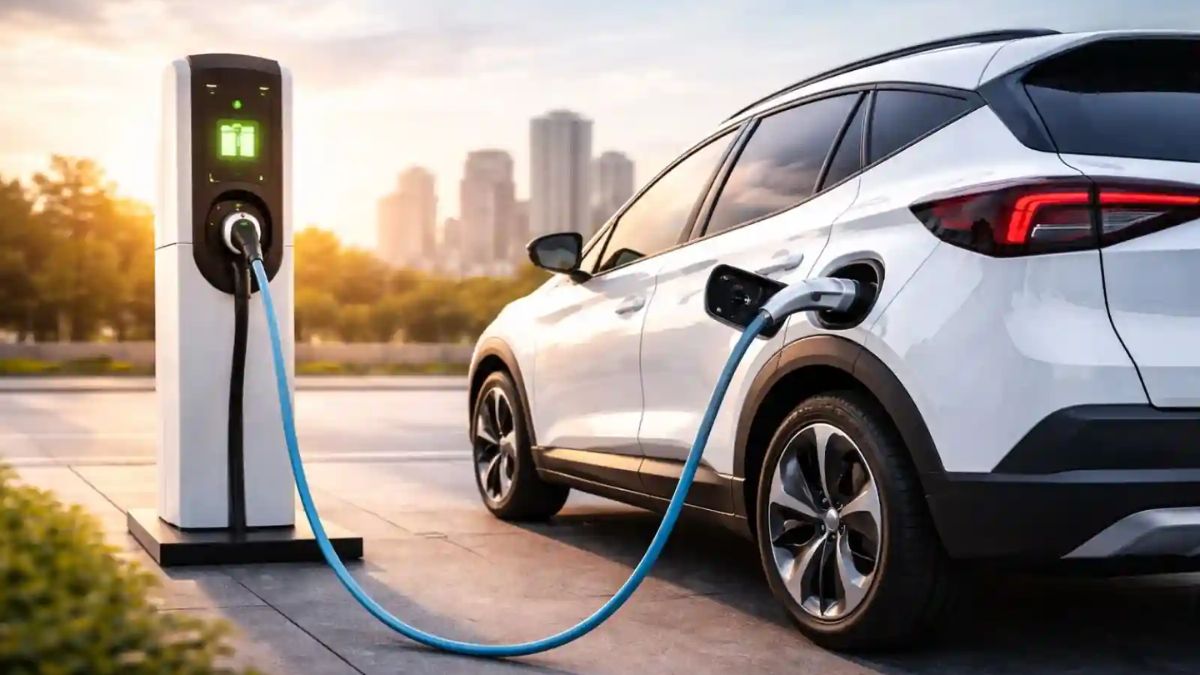
CAFE-III is a new set of rules to help make passenger vehicles use less fuel.
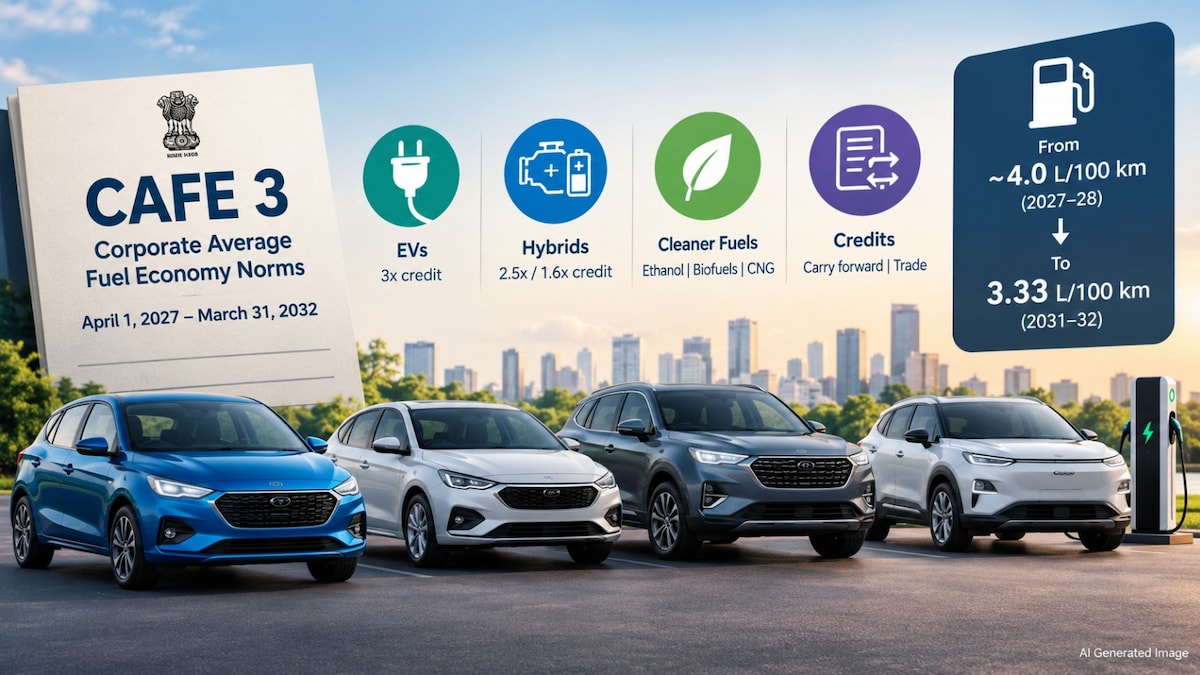
It applies in India from April 2027 through March 2032.
The rules look at the average fuel use of all eligible vehicles a company sells, rather than judging every model separately.
A company’s target depends partly on the average weight of its vehicles.
The targets become tighter over the five years.
Companies can use different fuel-saving technologies to meet them.
Some electric, hybrid, and flex-fuel vehicles receive extra credit in the calculations.
Companies can also earn, trade, carry forward, or buy credits under the rules.
Vehicle results will be reported using two testing procedures.

CAFE-III sets fleet-level fuel-efficiency standards for passenger vehicles, building on rules first introduced in 2017.
The norms apply to eligible M1 passenger vehicles made or imported for sale in India from April 1, 2027, through March 31, 2032.
A manufacturer’s annual fuel-consumption target is linked to the weighted average unladen mass of its eligible vehicles.
The framework recognizes 12 fuel-conservation technologies, offers super credits for specified cleaner vehicle types, and includes a Carbon Neutrality Factor for certain lower-carbon fuels.
Companies can manage compliance in two- or three-year blocks using earned credits, credit trading, or a Bureau of Energy Efficiency buyout mechanism; reporting uses both MIDC and WLTP.
- Who
- Manufacturers of eligible passenger vehicles made or imported for sale in India.
- What
- A new fleet-level fuel-efficiency framework known as CAFE-III.
- Where
- India.
- When
- April 1, 2027, to March 31, 2032.
- Why
- To progressively improve passenger-vehicle fuel economy and provide manufacturers with compliance options and incentives for cleaner technologies.
Key facts
- Covered vehicles
- M1 category passenger vehicles manufactured or imported for sale in India.
- Compliance period
- April 1, 2027, to March 31, 2032.
- Reference weight
- 1,229 kg.
- Target formula
- Annual average fuel consumption = a × (W − b) + c.
- Recognised technologies
- The list of recognised fuel-conservation technologies expands from four to twelve.
- Super-credit vehicle types
- BEVs, REEVs, PHEVs, SHEVs, and flex-fuel vehicles.
- Reporting tests
- Modified Indian Driving Cycle (MIDC) and Worldwide Harmonized Light Vehicles Test Procedure (WLTP).
- Credit options
- Carry forward eligible credits within compliance blocks, trade credits with other manufacturers, or buy credits through the Bureau of Energy Efficiency.
Sources
Related news
India Notifies CAFE-III Rules With New Vehicle Efficiency Targets
CAFE 3 Rules Could Bring More EVs and Hybrids
India's CAFE 3 Rules Reshape Carmakers' Efficiency Strategies and Costs
Economy Quiz Covers Fuel Standards, FDI, Tokenisation and Bond Yields

New CAFE-III Norms Give EVs Threefold Compliance Benefit

New CAFE Norms Leave Large Cars Favoured
India’s Heat Pump Mission Could Cut Fuel Imports

AC Demand Expected to Rebound in FY27 on Stronger Summer