7 months ago
Guru-Shishya Tradition and Critical Thinking

A recent article suggested that India's guru-shishya tradition discouraged critical thinking.
However, Dr. Aakash Kembhavi, an ayurvedic practitioner, disagrees.
He explains that classical texts like the Charaka Samhita and Rig Veda actually encouraged questioning and debate.
These texts included dialogues where students challenged their teachers, and they valued evidence and logic over blind authority.
The tradition had rules for fair debates and required considering opposing views.
Over time, political and economic problems, along with colonialism, weakened this tradition.
Dr. Kembhavi argues that the tradition itself was not the problem, but the way it was practiced later on.
He believes that understanding the original methods can help bring back critical thinking in education.

Classical Indian texts like the Charaka Samhita and Rig Veda encouraged questioning and debate, not passive learning.
The guru-shishya tradition included structured debates and required presenting opposing viewpoints.
Empirical evidence and logic (yukti) were valued over traditional authority.
Historical factors like political instability, economic pressures, and colonialism degraded the tradition.
The critique of the guru-shishya tradition overlooks its original sophisticated methods of critical thinking.
- Who
- Dr. Aakash Kembhavi, an ayurvedic practitioner
- What
- A counterview on the guru-shishya tradition and its role in critical thinking
- Where
- India
- When
- Not specified
- Why
- To argue that the guru-shishya tradition did not undermine critical thinking but was misunderstood and degraded over time
Key facts
- Author
- Dr. Aakash Kembhavi
- Profession
- Ayurvedic Practitioner
- Key Texts
- Charaka Samhita, Upanishads, Rig Veda
- Debate Types
- Vada, Jalpa, Vitanda
- Logical Principles
- Tantrayukti (36 principles)
- Key Principle
- Yukti (empirical evidence and logic over tradition)
- Historical Degradation Factors
- Political instability, economic pressures, colonial disruption
Sources
Related news

Why Vedic Sages Might Be Called Intellectual Naxals Today
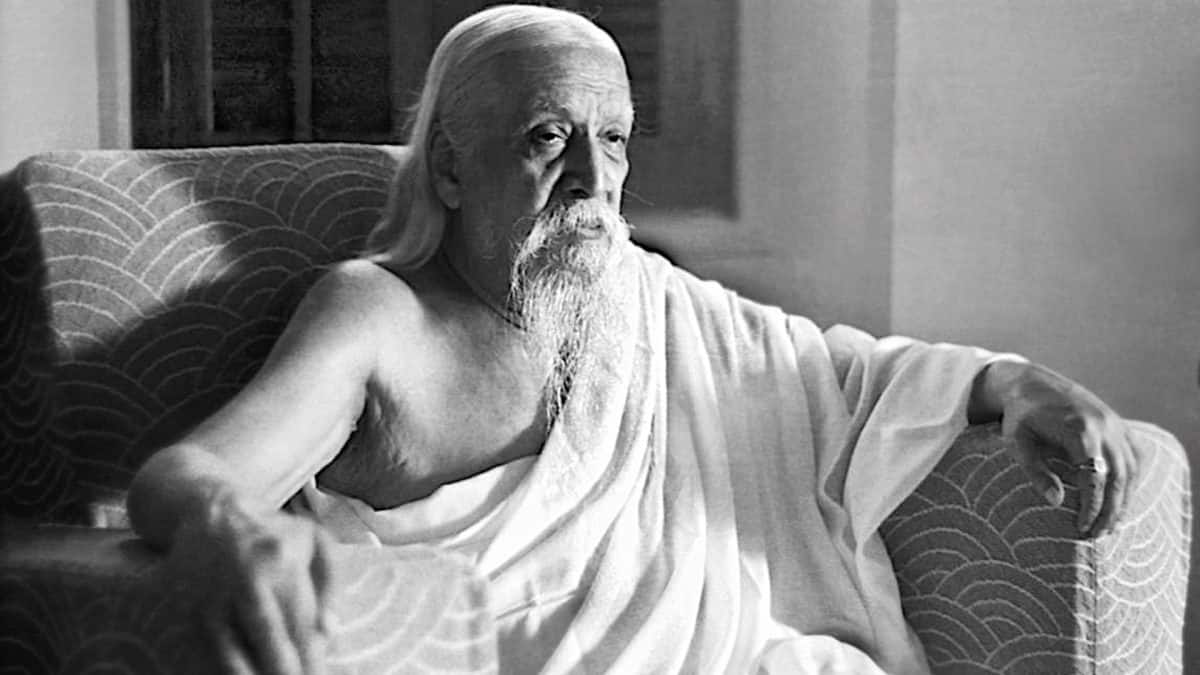
India at 79: Sri Aurobindo's Vedic vision key to future
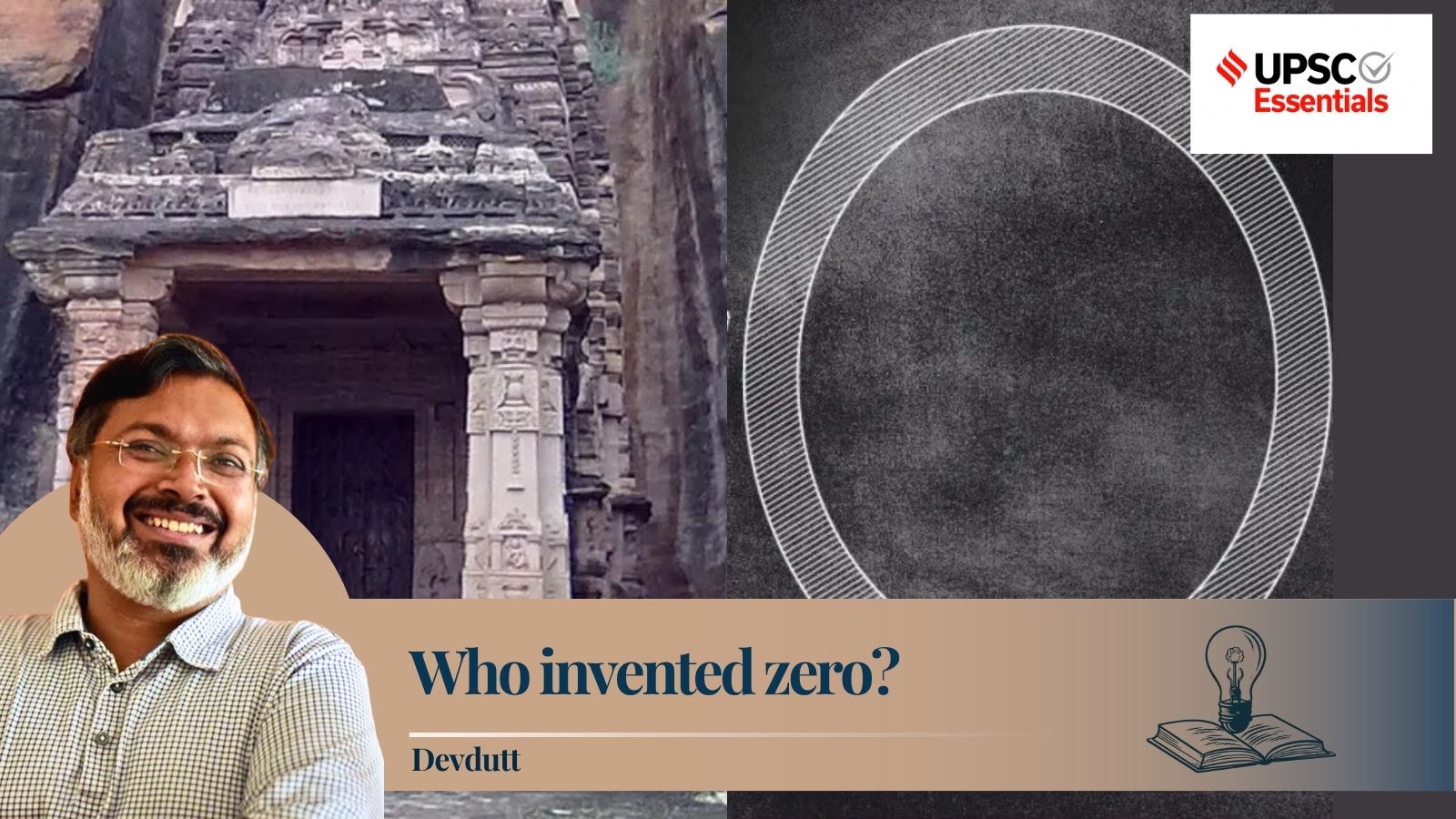
Why India's contribution to mathematics of zero is remarkable

Why Philosophy Matters in Education: Lessons from France

Ankur Warikoo's Debt Advice Sparks Online Debate