

1 month ago
Historian Challenges Western Civilization's Origin Story
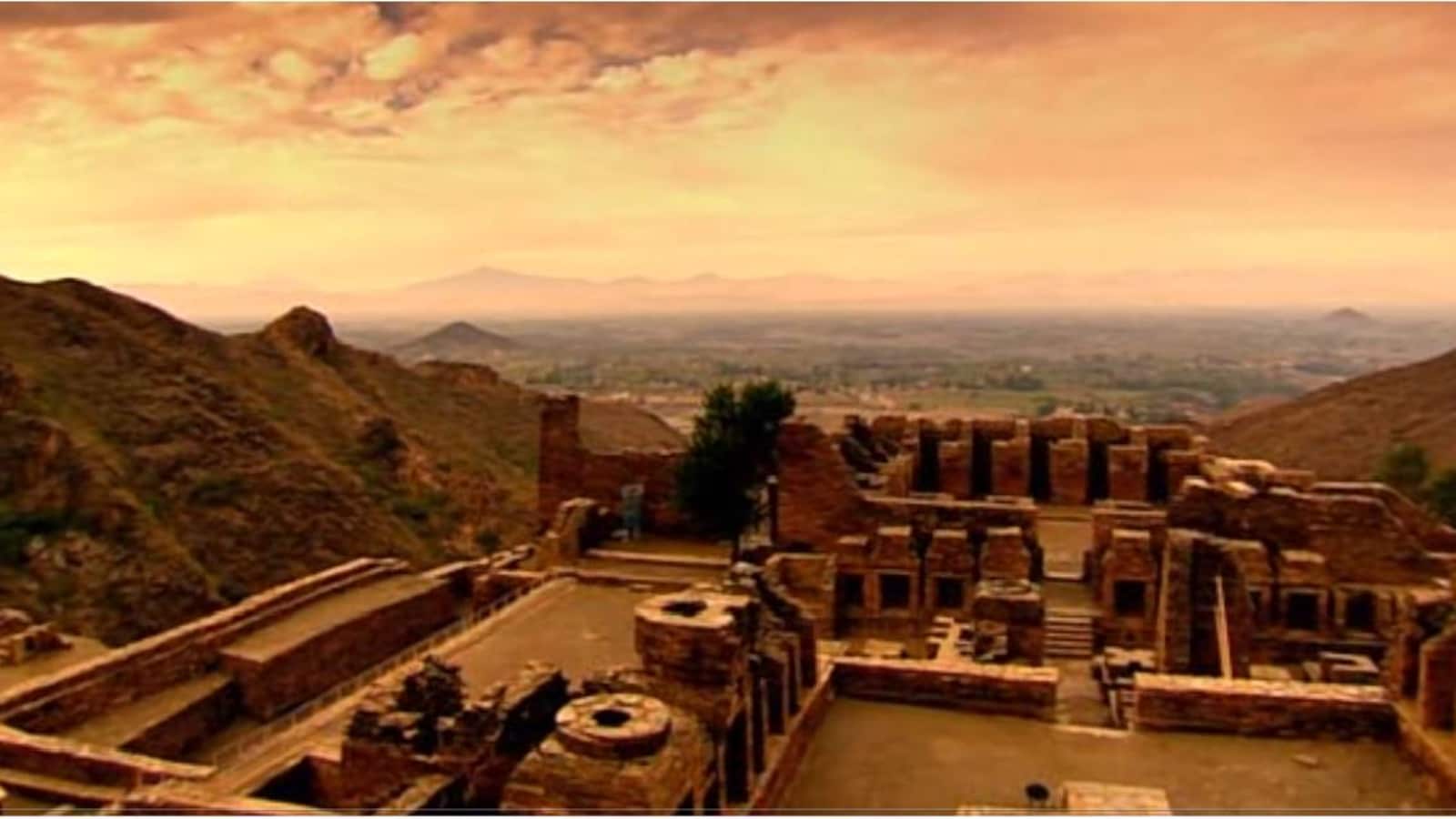
A historian named Nick Collins is challenging the traditional story that says civilization began in Mesopotamia.
He argues that India was actually the starting point of civilization.
Collins says that India had advanced cities, mathematics, manufacturing, and trade networks long before Western historians recognized them.
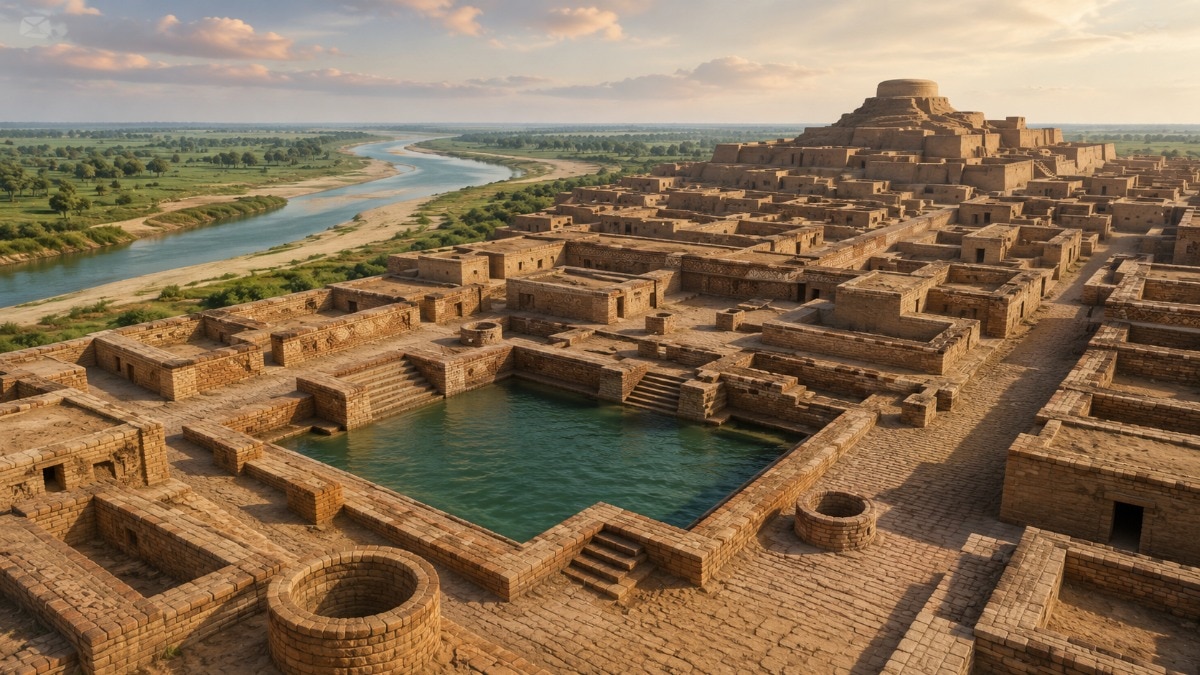
He points to places like Lothal in Gujarat, which had an advanced dockyard, as evidence.
Collins also disputes the idea that light-skinned groups invaded India and brought their civilization.
He believes that the Indus cities were built by indigenous people who already had an advanced civilization.
Collins thinks that the flow of culture and trade was from East to West, with India influencing places like Mesopotamia.
His ideas challenge the traditional Western view of history and show that ancient India was much more advanced than previously thought.

Nick Collins, a maritime historian, argues that India was the cradle of civilization, not Mesopotamia.
The Indus-Sarasvati civilization had advanced cities, mathematics, manufacturing, and trade networks.
Lothal in Gujarat had an advanced dockyard capable of handling dozens of trading vessels.
Collins disputes the Aryan invasion theory, arguing that the Indus cities were built by indigenous people.
Collins believes the cultural flow was from East to West, with India influencing Mesopotamia.
- Who
- Nick Collins, a maritime historian
- What
- Challenges the traditional view of the origin of civilization, arguing that India was the cradle of civilization
- Where
- India, particularly the Indus-Sarasvati civilization
- When
- The Indus-Sarasvati civilization flourished long before Western historians recognized its scale
- Why
- To challenge the Western-centric narrative of history and highlight the advanced nature of ancient Indian civilization
Traditional Western Historiography
Collins' Revisionist View
Origin of Civilization
Traditional Western Historiography
Mesopotamia is the cradle of civilization, followed by Egypt, Greece, and Rome.
Collins' Revisionist View
India was the cradle of civilization, with advanced cities, mathematics, manufacturing, and maritime networks.
Aryan Invasion Theory
Traditional Western Historiography
Light-skinned Indo-European groups invaded India around 1500 BC, bringing Sanskrit, the Vedas, and Vedic civilization.
Collins' Revisionist View
The Aryan invasion theory is flawed; the Indus cities were built by indigenous people who had already created an advanced civilization.
Direction of Cultural Flow
Traditional Western Historiography
Cultural and technological advancements flowed from the West to the East.
Collins' Revisionist View
The cultural flow was from East to West, with India influencing Mesopotamia and other regions.
Key facts
- Historian
- Nick Collins
- Discovered Civilization
- Indus-Sarasvati civilization
- Key Site
- Lothal, Gujarat
- Significance of Lothal
- Advanced dockyard capable of handling dozens of trading vessels
- Aryan Invasion Theory
- Contested by modern scholarship and Collins
- Direction of Trade
- East to West, with India influencing Mesopotamia
Quotes

Nick Collins
Maritime historian and author of the blog
“India was the cradle of civilisation and not Mesopotamia, unlike what is commonly believed.”
 businesstoday.in
Sources
Related news

Will Pucovski Sues Brighton Grammar Over Concussion Handling

Jindal Steel, IIT Hyderabad Establish Advanced Steel Centre

Professor, Five Students Arrested in IGKV Paper Leak

Gujarat launches DNA-based sports talent hunt for 2030 Commonwealth Games

Jindal Steel, IIT Hyderabad Establish Advanced Steel Centre

Liverpool and Telangana Explore Partnership in Technology, Life Sciences, Sports

Why Vedic Sages Might Be Called Intellectual Naxals Today
India at 79: Sri Aurobindo's Vedic vision key to future
Why India's contribution to mathematics of zero is remarkable

Why Philosophy Matters in Education: Lessons from France
