2 hrs ago
India’s Power Future Depends on Informed Electricity Customers
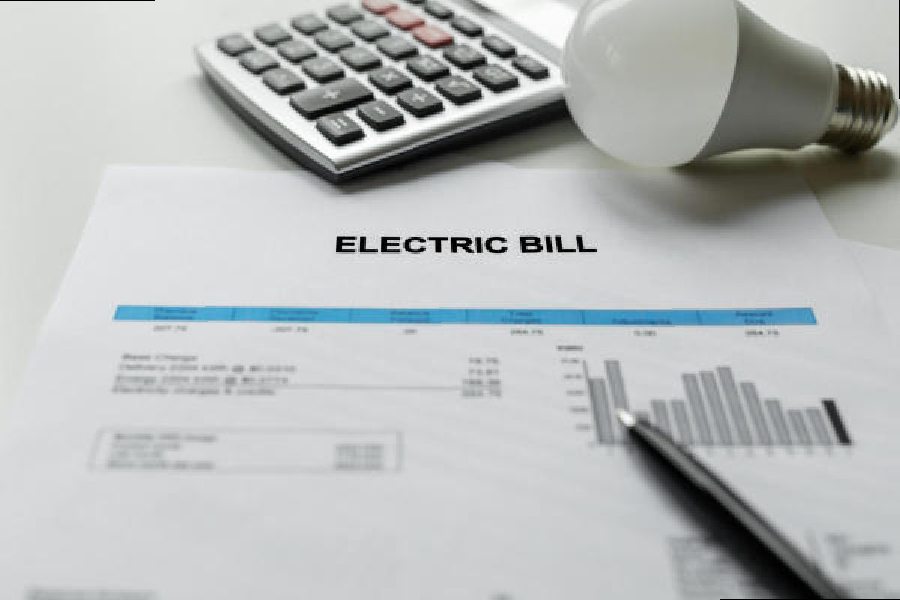
Electricity customers usually have little say in how their bills are decided.
The article says this should change in India.
New technologies are making people more active in the power system.
For example, families can produce electricity with rooftop solar panels.
Electric vehicles and smart meters are also changing when and how people use power.
Customers need simple explanations of tariff decisions so they can take part.
The article suggests public hearings, consumer representatives and better information.
It also says prices should encourage saving energy while protecting poorer households.
Trust between customers, regulators and power companies will help India build a cleaner and more reliable electricity system.

Electricity tariffs are mainly set by regulators and experts, with limited customer representation.
The article argues that customers should become active participants in electricity tariff decisions and governance.
Rooftop solar, electric vehicles, smart meters and battery storage are changing how Indians produce and use electricity.
It recommends plain-language tariff explanations, meaningful public hearings and independent consumer representatives.
Time-of-day pricing, demand-response programmes and targeted protection for low-income households are proposed for a fairer transition.
- Who
- Indian electricity customers, regulators, distribution companies, governments and consumer organisations are central to the proposed reform.
- What
- The article calls for more transparent, participatory and consumer-focused electricity tariff-setting and power-sector governance.
- Where
- India’s electricity and power-regulation system.
- When
- As India undertakes its energy transition and adopts technologies such as smart meters, rooftop solar and electric vehicles.
- Why
- To build public trust, encourage clean-energy investment and efficiency, improve accountability, and maintain affordable and reliable electricity.
Consumer-Centred Reform
Traditional Regulatory Approach
Role of customers
Consumer-Centred Reform
Customers should be treated as active partners whose participation, choices and confidence shape electricity governance.
Traditional Regulatory Approach
The existing approach relies primarily on regulators and technical experts, with customer participation playing a limited role.
Tariff decisions
Consumer-Centred Reform
Tariffs should be explained in plain language, debated through meaningful public engagement and designed to influence efficiency and clean-energy adoption.
Traditional Regulatory Approach
Tariff-setting has traditionally focused on technical cost recovery, utility finances and the broader economics of electricity supply.
Future pricing
Consumer-Centred Reform
Smart meters, time-of-day tariffs and demand-response programmes should give consumers useful choices while protecting low-income households.
Traditional Regulatory Approach
A system centred mainly on financial viability and cost allocation may not fully reflect consumers’ changing roles as producers and flexible users.
Key facts
- Current tariff process
- Electricity tariffs are mostly decided by regulators and experts, with nominal customer representation.
- Changing power system
- Rooftop solar, electric vehicles, smart meters, battery storage and distributed energy resources are reshaping electricity use.
- Consumer participation
- The article recommends plain-language tariff summaries, wider digital engagement and genuine public hearings.
- Institutional reform
- Independent consumer representatives should scrutinise tariff petitions for households, small businesses and vulnerable groups.
- Pricing proposals
- Time-of-day tariffs, demand-response programmes and energy-conservation incentives could reward efficient consumption.
- Equity concern
- Tariff structures should protect low-income households rather than relying mainly on broad subsidies.
- Service accountability
- Utilities should disclose performance data and link service quality to measurable standards.
Sources
Related news
Draft SHANTI Rules Shed Light on Nuclear Power Tariff Decisions

J&K Electricity Tariffs Rise 6.83% Amid Free Power Row
India Energy Stack: UPI-like digital backbone for electricity trading

India's Renewable Surge Tests Power Grid Management and Innovation

Power Engineers Federation Vows to Resist Electricity Privatisation
Modi’s 25-Year Public Journey Framed as Service and Nation-Building

Gig Work Pays More, Offers Flexibility, Report Finds

India to Host BRICS Summit and $1 Trillion iBRICS Gathering

Digital Banks Gain Trust Globally as India Nears Inflection Point