1 hr ago
India Risks Losing the New Central Asian Great Game
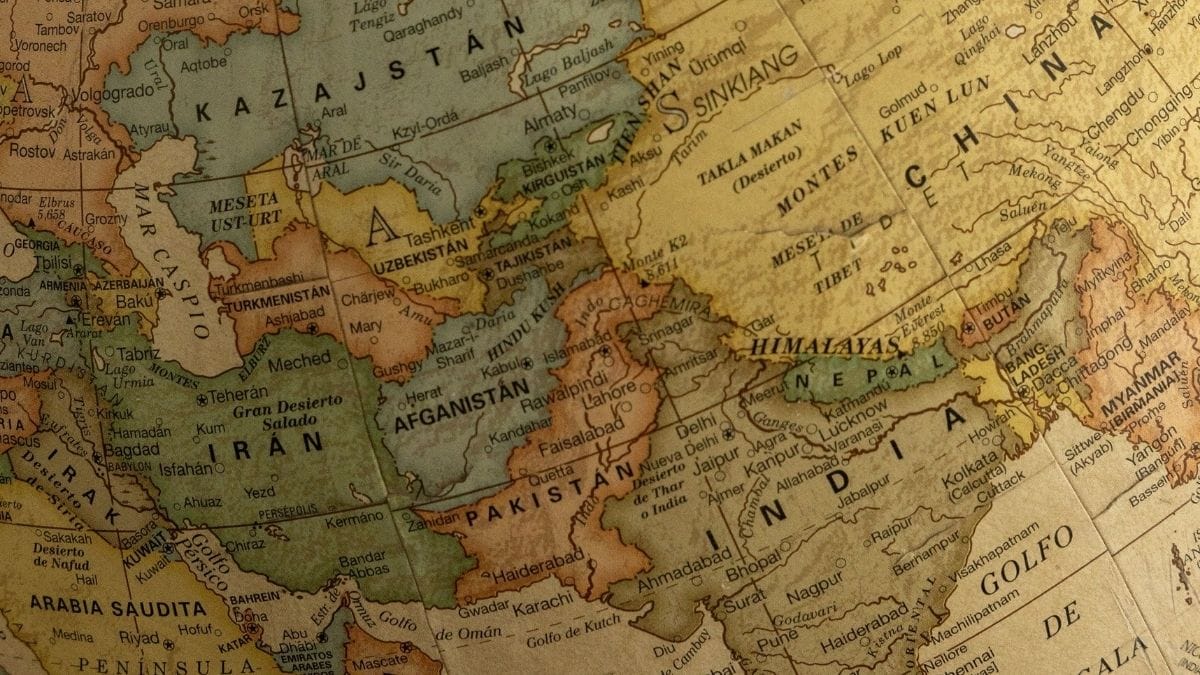
Central Asia is a group of countries between Russia, China, Afghanistan and Iran.
Many powerful countries are trying to build relationships there.
The Central Asian countries want several partners so they do not become too dependent on one country.
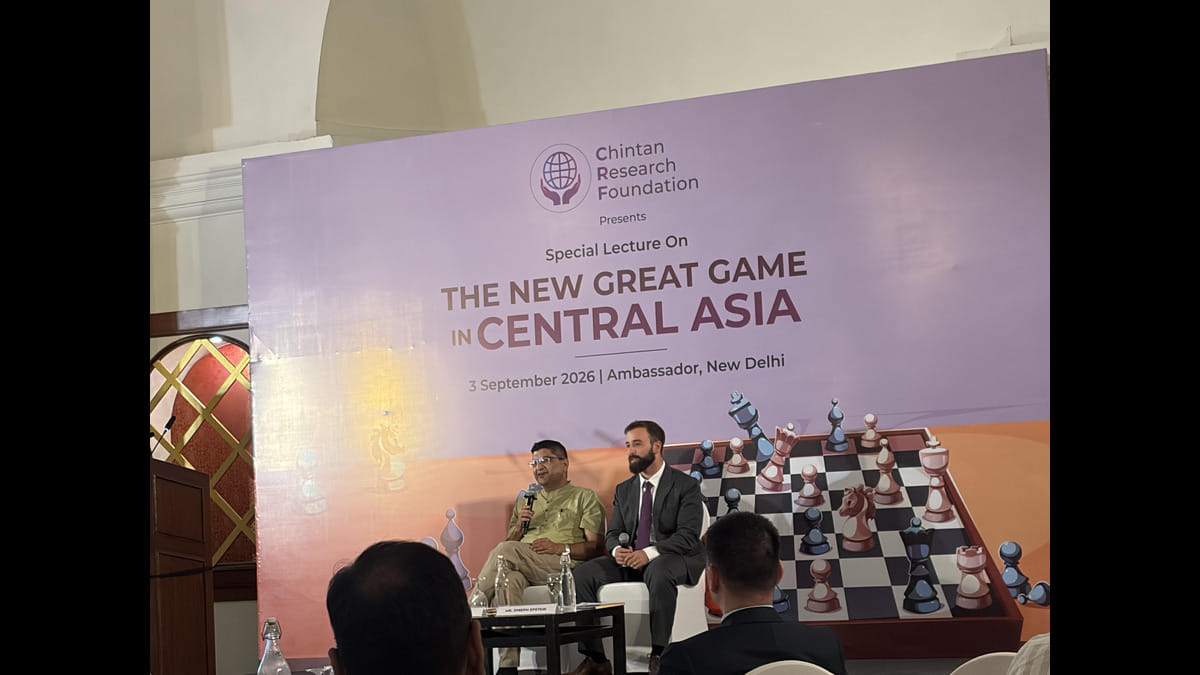
Analyst Joseph Epstein said India is not competing as effectively as China, Russia or the United States.
Pakistan makes it difficult for India to use the shortest land route into the region.
Epstein said India could offer useful services such as digital payment systems, medicines, military repairs and farming technology.
China trades heavily with the region, but some people there resent Chinese land deals, environmental effects and labor practices.
India recently strengthened its partnership with Uzbekistan, but Epstein warned that it must act quickly.

Analyst Joseph Epstein said India is falling behind China, Russia and the United States in Central Asia.
He argued that India has focused too heavily on physical corridors blocked by Pakistan.
Epstein said India could compete through digital infrastructure, pharmaceuticals, military maintenance, agriculture, water technology and medical training.
Central Asian states seek diversified partnerships rather than dependence on a single power, despite China’s dominant trade role.
India and Uzbekistan elevated ties to a comprehensive strategic partnership and agreed to pursue a long-term uranium sales arrangement.
- Who
- Joseph Epstein, India, China, Russia, the United States and the Central Asian states are central to the analysis; India and Uzbekistan also announced new agreements.
- What
- Epstein said India is losing influence in a new competition for partnerships and access across Central Asia.
- Where
- The lecture was held in Delhi, and the competition concerns Central Asia, including Uzbekistan and Kazakhstan.
- When
- Epstein spoke at a Delhi lecture on Thursday; India and Uzbekistan announced their agreements on Sunday. The analysis also identified 2016 and Russia’s 2022 invasion of Ukraine as major regional turning points.
- Why
- Central Asian governments want alternatives to dependence on any single power, while India faces restricted overland access and competition from larger external powers.
Epstein’s Critique
Existing Indian Approach
How India should gain access
Epstein’s Critique
India should rely less on physical corridors it cannot control and emphasize digital infrastructure, pharmaceuticals, military maintenance and technical expertise.
Existing Indian Approach
India has spent three decades pursuing corridor diplomacy and access routes into Central Asia, but trade has remained in the low single digits of billions of dollars.
How to engage Central Asia
Epstein’s Critique
India should offer itself as another option for countries seeking a diversified portfolio of partners, without requiring a shared border.
Existing Indian Approach
India’s existing approach has focused on finding a physical passage westward, but Pakistan blocks the most direct route.
Key facts
- Analyst
- Joseph Epstein, director of the Turan Research Center and senior fellow at the Yorktown Institute.
- Main competition
- China, Russia and the United States are making major inroads into Central Asia.
- China-Central Asia trade
- Trade exceeded $100 billion last year, according to Epstein.
- India-Uzbekistan ties
- The countries elevated relations to a comprehensive strategic partnership.
- Uranium agreement
- India and Uzbekistan agreed to establish a long-term arrangement for uranium sales.
- Regional turning point
- Shavkat Mirziyoyev’s succession in Uzbekistan in 2016 was described as a major change for regional integration.
- Russian influence
- Russia’s 2022 invasion of Ukraine gave Central Asian and South Caucasus governments more room to maneuver.
Quotes
Joseph Epstein
Director of the Turan Research Center and senior fellow at the Yorktown Institute
“The region is not asking India for anything. What they want is another option, and that happens to be something that India could supply immediately at relatively low cost and without needing a border.”
 theprint.in
“The trick to engaging Central Asia is providing a counterbalance to prevent over-dependence on the other great powers in the region.”
theprint.in
Sources
Related news
China Gains Economic Influence as Russia Holds Central Asia
Why Modi Is Visiting Uzbekistan Before the SCO Summit

Modi’s SCO Address Highlights India’s Connectivity and Terrorism Challenges
Modi’s Central Asia Visit Highlights India’s Strategic Regional Outreach