1 week ago
J&K Electricity Tariffs Rise 6.83% Amid Free Power Row

Electricity bills in Jammu and Kashmir will become 6.83% more expensive from September 1, 2026.
The new prices will apply until March 31, 2027.
Families will pay different amounts depending on how much electricity they use.
Poor households and small farmers will still receive cheaper rates.
Shops and some other businesses will face higher charges.
The electricity companies need more money than they expect to collect from bills.
Officials said raising prices enough to cover everything would have required a 40% increase, so government support will help cover the difference.
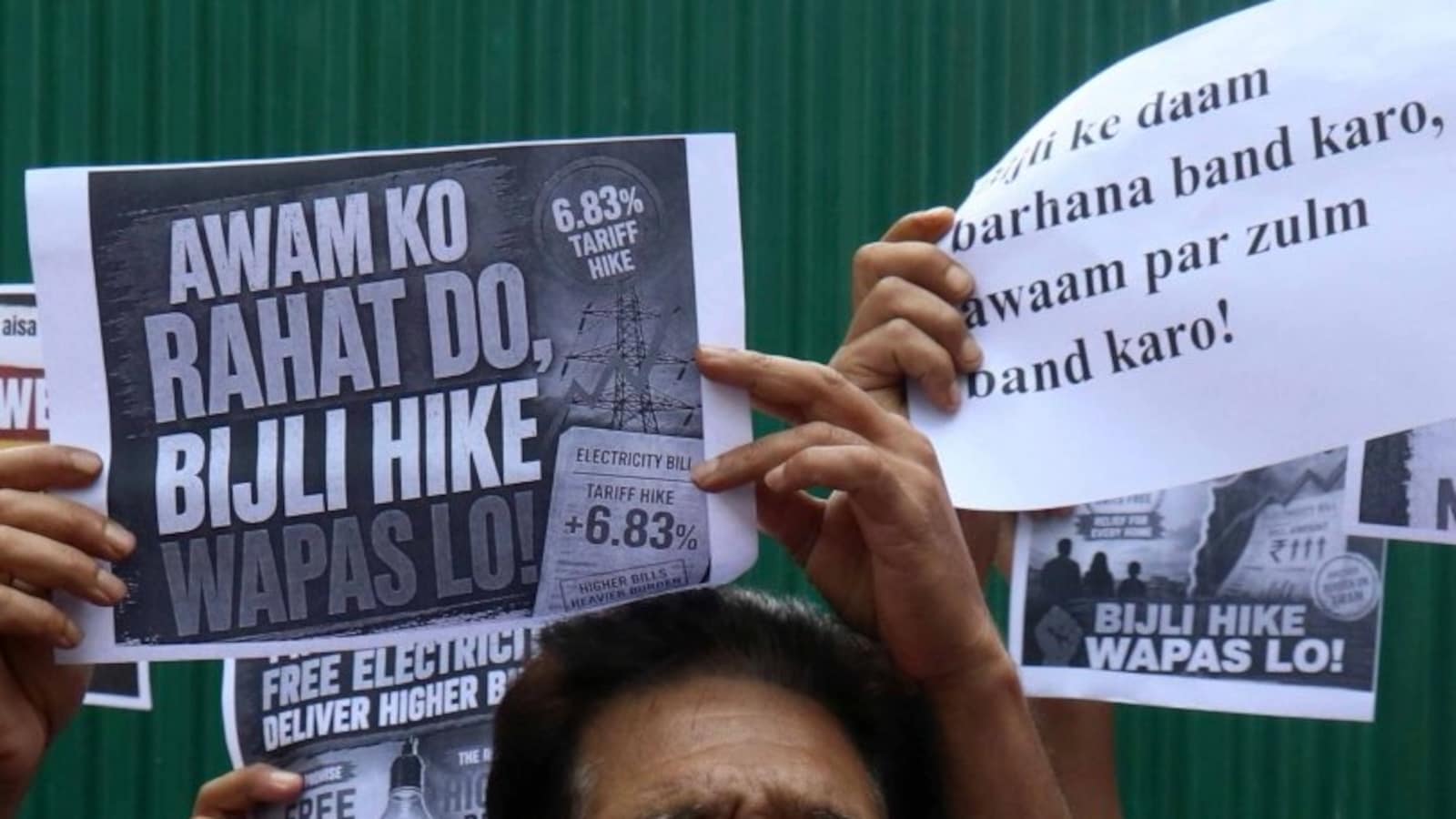
Opposition parties and some consumers are angry because they say the government promised 200 units of free electricity instead.

The Joint Electricity Regulatory Commission approved a 6.83% average electricity tariff increase in Jammu and Kashmir from September 1, 2026.
Domestic metered consumers will pay Rs 2.45, Rs 4.20 or Rs 4.60 per unit based on usage, plus Rs 10 per kW monthly.
BPL households and small agricultural consumers will retain concessional rates under the revised tariff structure.
Opposition parties and consumers say the increase contradicts the promise of 200 units of free electricity and adds to financial pressure.
The tariff is expected to generate Rs 7,854.94 crore against a combined revenue requirement of Rs 10,275.72 crore, with the gap addressed through government support.
- Who
- Electricity consumers in Jammu and Kashmir, the Joint Electricity Regulatory Commission, JPDCL, KPDCL, government officials, opposition parties and trade bodies are involved.
- What
- A revised tariff order will raise electricity rates by an average of 6.83% and set new charges for domestic, commercial, agricultural, industrial and other consumers.
- Where
- Across Jammu and Kashmir, including areas served by the Jammu Power Distribution Corporation Limited and Kashmir Power Distribution Corporation Limited.
- When
- The revised rates take effect on September 1, 2026, and remain applicable through March 31, 2027.
- Why
- The revision is intended to address the distribution companies’ revenue requirements while using government subsidies and grants to limit the increase for consumers.
Critics and Consumers
Commission and Government Rationale
Free electricity promise
Critics and Consumers
Opposition leaders, consumers and trade bodies say higher bills fail to deliver the promised 200 units of free electricity and increase pressure on households and businesses already facing high living costs.
Commission and Government Rationale
The tariff order does not provide the promised free electricity in the material presented, but the Commission said government support was used to avoid a much larger increase.
Political responsibility
Critics and Consumers
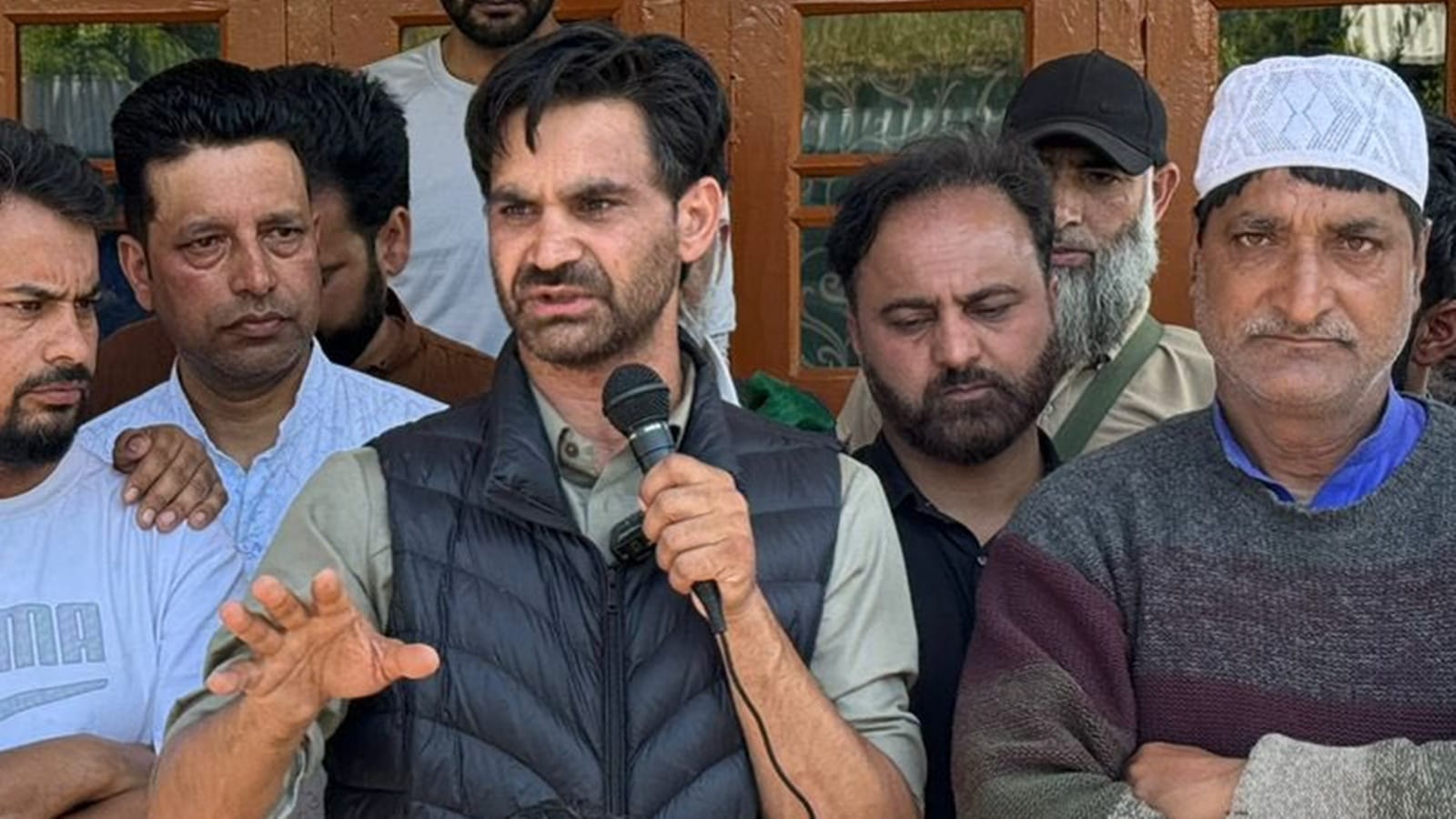
Sunil Sharma, Priya Sethi, Waheed Ur Rehman Para and Syed Altaf Bukhari accused the National Conference government of breaking or reversing its electoral commitments. Aga Syed Rahullah acknowledged that the free-electricity pledge remains unfulfilled.
Commission and Government Rationale
The Commission’s decision followed tariff proposals from JPDCL and KPDCL and a prudence assessment of their financial requirements, rather than a stated political justification.
Need for higher tariffs
Critics and Consumers
Critics argue that increasing electricity bills is especially difficult while inflation, unemployment and rising living costs are affecting consumers and the regional economy.
Commission and Government Rationale
The Commission assessed the corporations’ combined annual revenue requirement at Rs 10,275.72 crore and said covering the entire gap through tariffs alone would have required an untenable 40% increase. Subsidies and grants were therefore included to contain the rise.
Key facts
- Average tariff increase
- 6.83%
- Effective period
- September 1, 2026, through March 31, 2027
- Domestic rates
- Rs 2.45 per unit up to 200 units; Rs 4.20 for 201–400 units; Rs 4.60 above 400 units
- Domestic fixed charge
- Rs 10 per kW per month
- BPL concession
- Rs 1.40 per unit up to 30 units
- Small agricultural rate
- Rs 1.05 per unit plus Rs 23 per HP monthly
- Combined annual revenue requirement
- Rs 10,275.72 crore
- Projected revenue and gap
- Rs 7,854.94 crore in projected revenue, leaving a stated gap of Rs 2,420.78 crore to be addressed through government support
Quotes

Waheed Ur Rehman Para
PDP leader and MLA from Pulwama
“Before the elections, the promise was 200 units of free electricity; after the elections, the reality is higher electricity bills.”
 deccanchronicle.com
“We were promised 200 units of free electricity, but instead we are being asked to pay more. How is this relief?”
 republicworld.com
Sources

Related news
Omar Abdullah Defends J&K Electricity Hike Amid Opposition Protests
J&K Power Tariff Hike Puts Omar Government On Defensive

J&K Congress Chief Demands Rollback of 6.83% Electricity Tariff Hike
Altaf Bukhari Warns Omar Abdullah Over Kashmir Power Tariff Hike

Bhiwandi Power Bills to Rise with New Fuel Adjustment Charges
J&K Medical Interns Strike Over Stipend, Demand Rs 30,000
Thousands Gather in Pulwama as Royal Premier League Returns
Omar Abdullah calls upside-down flag a mistake, BJP demands action
Abdullah criticizes Mehbooba over Jantar Mantar remarks