

World · Europe · 6 hrs ago
Trieste’s rise as a Habsburg free port and its decline after the empire fell
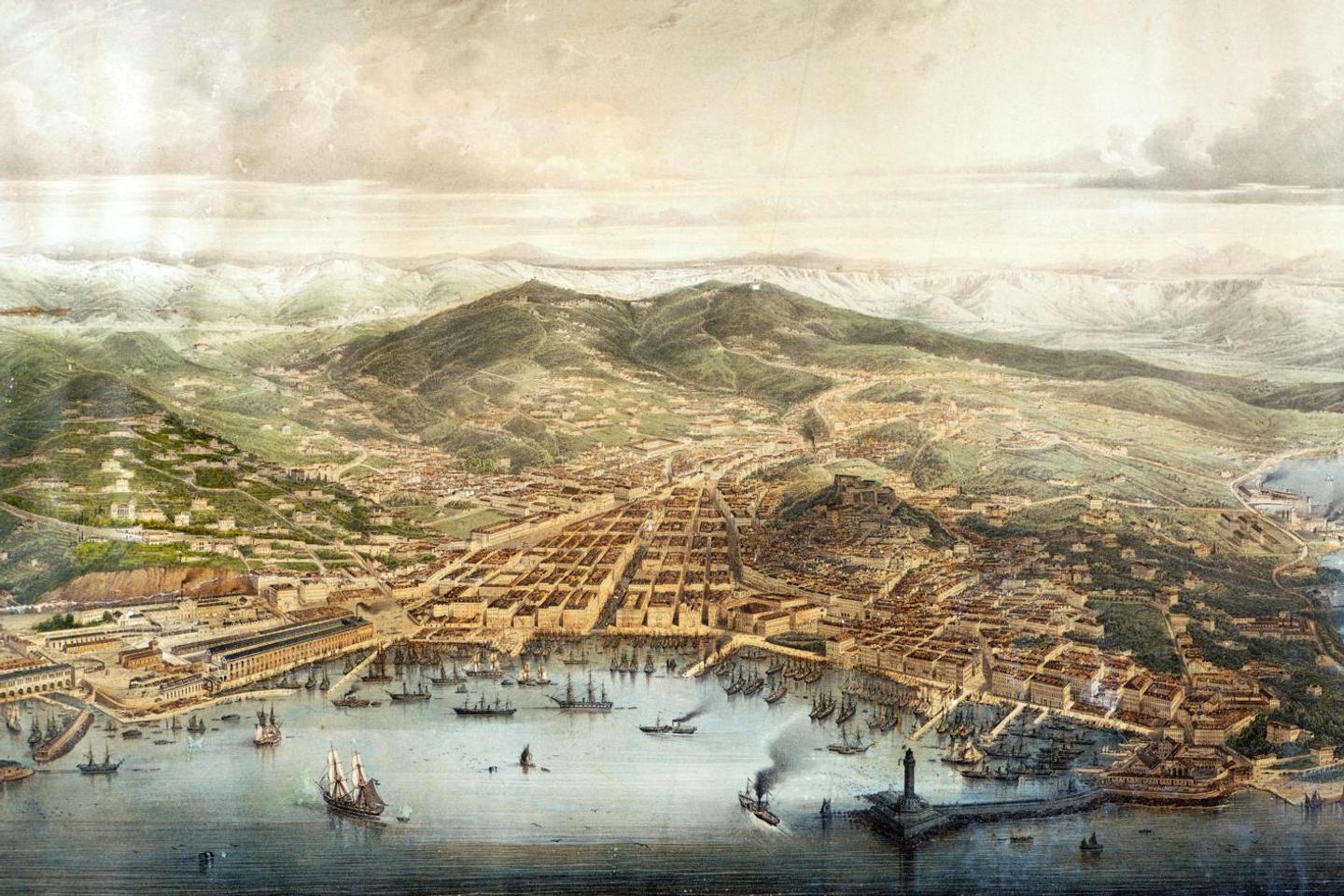
Trieste is a port city on the Adriatic Sea.
It had been under Habsburg protection since the 14th century.
In 1719, the Habsburg ruler Charles VI made it a free port, exempting it from taxes and granting it other privileges.
These benefits helped a small town grow into a major city.
By the eve of the First World War, Trieste was the third-largest city in Austria.
Its prosperity depended in part on Habsburg rule, and the empire’s fall brought the city’s decline.
A statue of Charles VI in the city remains a reminder of the decision that helped shape Trieste.

In 1719, Charles VI made Trieste a free port, exempting it from taxes and granting it privileges.
The change helped the Adriatic town begin a rapid rise.
Trieste was under Habsburg protection from the 14th century.
On the eve of the First World War, Trieste was Austria’s third-largest city.
The fall of the Habsburgs caused the city’s decline, according to Le Monde.
- Who
- Charles VI of Habsburg made Trieste a free port.
- What
- Trieste’s free-port status helped it rise, while the fall of the Habsburgs caused its decline.
- When
- The free-port designation came in 1719; Trieste was Austria’s third-largest city on the eve of the First World War.
- Where
- Trieste, on the Adriatic.
- Why
- The city’s exemption from taxes and other privileges helped it prosper.
This story does not have two clearly opposing sides.
No direct quotes in the coverage so far.
Trieste came under Habsburg protection.
Charles VI made Trieste a free port.
Trieste was Austria’s third-largest city.
Trieste’s decline followed, according to Le Monde.
- Free-port status
- Granted in 1719
- Ruler
- Charles VI of Habsburg
- Location
- Adriatic coast
- Habsburg protection
- From the 14th century
- City ranking
- Austria’s third-largest city on the eve of the First World War
Sources
Related news

Trump says Russia and Ukraine agreed to energy ceasefire
Zelensky says Ukraine can hold elections after a 60-day ceasefire

Trump announces energy ceasefire, but Ukraine says it was not consulted

Experts say Russian diesel deal unlikely to lower US fuel prices
Russian strikes hit Ukrainian energy sites after Trump ceasefire claim

Young people share lessons from Samuel Paty murder trial with students

Suspect arrested over planned attack on Polish Prime Minister Donald Tusk

Trump calls for Ukraine to replace Zelenskyy over Russian diesel deal
Drone attacks in Russia’s Belgorod Region kill one and injure three

Drone attack shuts down Yandex data centre in Russia’s Vladimir region

Drone strikes damage two Yandex data centers in Russia
