Politics · Other · 2 days ago
South Africa withdraws asylum directive after violent protests
South Africa has withdrawn a directive that told officials how to process asylum applications.
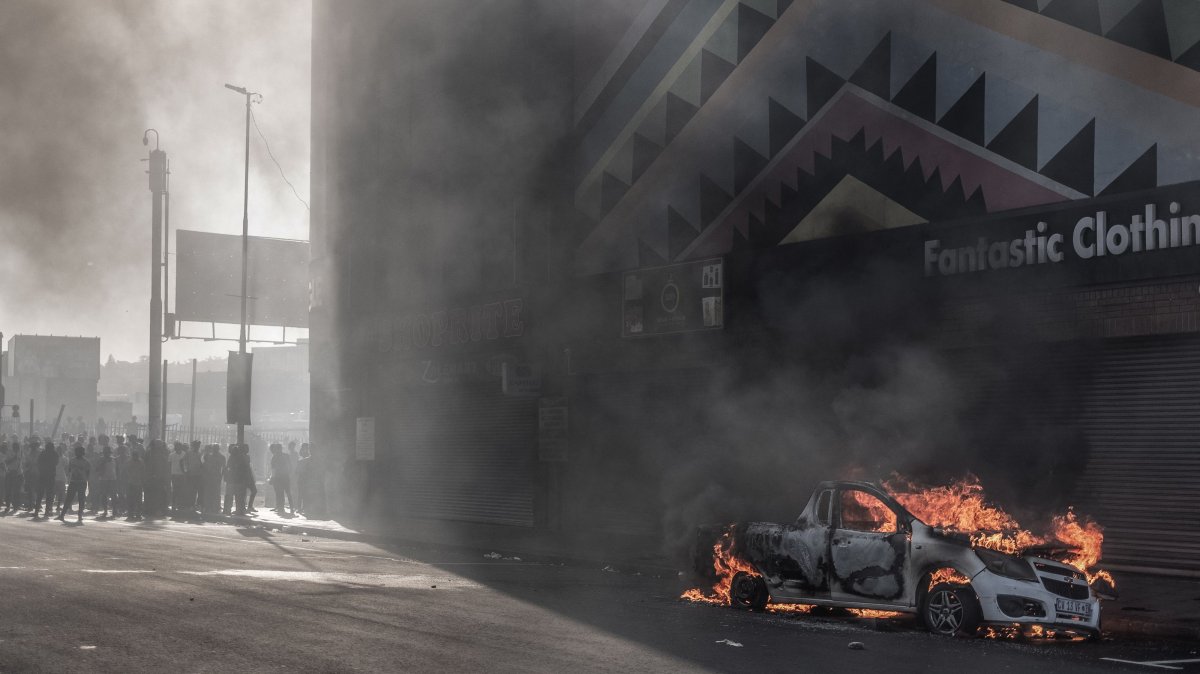
The decision followed violent protests in Soweto, part of Johannesburg, and in Durban on Thursday.
Protesters opposed processing applications after a Constitutional Court ruling said people could not be excluded from applying solely because of procedural issues, such as entering the country unlawfully.
The ruling does not automatically give applicants refugee status or permanent residence; officials must consider each claim.
Home Affairs said reception offices were overwhelmed within days, putting staff at risk and raising public safety concerns.
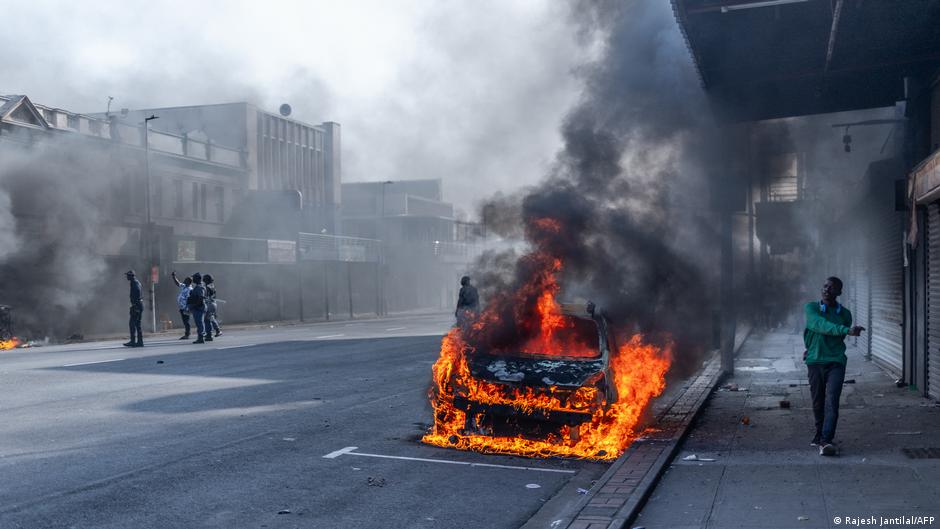
Police said 10 vehicles were burned in Soweto and 14 in Durban, while foreign-owned shops were looted.
The court ruling remains binding, and the department says it will develop a new way to implement it, but has not said what temporary arrangements will apply or when new instructions will come.

South Africa withdrew a directive for processing asylum applications after refugee reception offices were overwhelmed and public safety concerns emerged.
The reversal followed violent anti-immigrant protests in Soweto and Durban on Thursday.
Police said 24 vehicles were torched, and foreign-owned businesses were looted or targeted.
The directive had been intended to implement a Constitutional Court judgment requiring officials to consider asylum claims despite certain procedural barriers.
The department said it would develop a new approach, but had not announced interim arrangements or a date for replacement instructions.
- Who
- South Africa’s Department of Home Affairs withdrew the directive. Protesters opposed the processing of asylum applications.
- What
- The department halted instructions for processing applications under the directive after protests turned violent.
- When
- The withdrawal was announced on Friday, October 9, 2026, after protests on Thursday.
- Where
- The protests took place in Soweto, Johannesburg, and Durban, South Africa.
- Why
- The department said refugee reception offices were overwhelmed, officials were at risk and public safety concerns had emerged.
South African government
Anti-immigrant protesters
Asylum applications
South African government
The government said officials must consider individual claims under the binding court judgment, but withdrew its directive over operational and safety concerns.
Anti-immigrant protesters
Protesters opposed the processing of asylum applications and demonstrated against the policy.
Court ruling
South African government
The government said it respected the judgment, which removed procedural barriers to applying for asylum.
Anti-immigrant protesters
Protesters opposed the consequences of implementing the ruling, though the sources do not detail a formal legal argument from them.
shifted its position
The right to raise concerns and to protest does not give anyone the right to commit crime
This was supposed to be a peaceful demonstration
The situation is a bit tense, but it has died down from the earlier violence that we did see during the day
The Constitutional Court delivered a judgment requiring officials to consider asylum claims despite certain procedural barriers.
The Department of Home Affairs issued the directive intended to implement the judgment.
The inter-ministerial committee on migration met and reaffirmed the government’s obligation to comply with the judgment.
Protests in Soweto and Durban turned violent, with 24 vehicles torched and businesses targeted.
The department withdrew the directive and said it would develop a new approach.
- Vehicles torched
- 24 in total: 10 in Soweto and 14 in Durban
- Directive issued
- 28 September 2026
- Court judgment
- Delivered on 7 July 2026
- Locations of protests
- Soweto, Johannesburg, and Durban
- Arrests
- Three foreign nationals were arrested in Durban in connection with an alleged assault on a protester
Sources
Related news
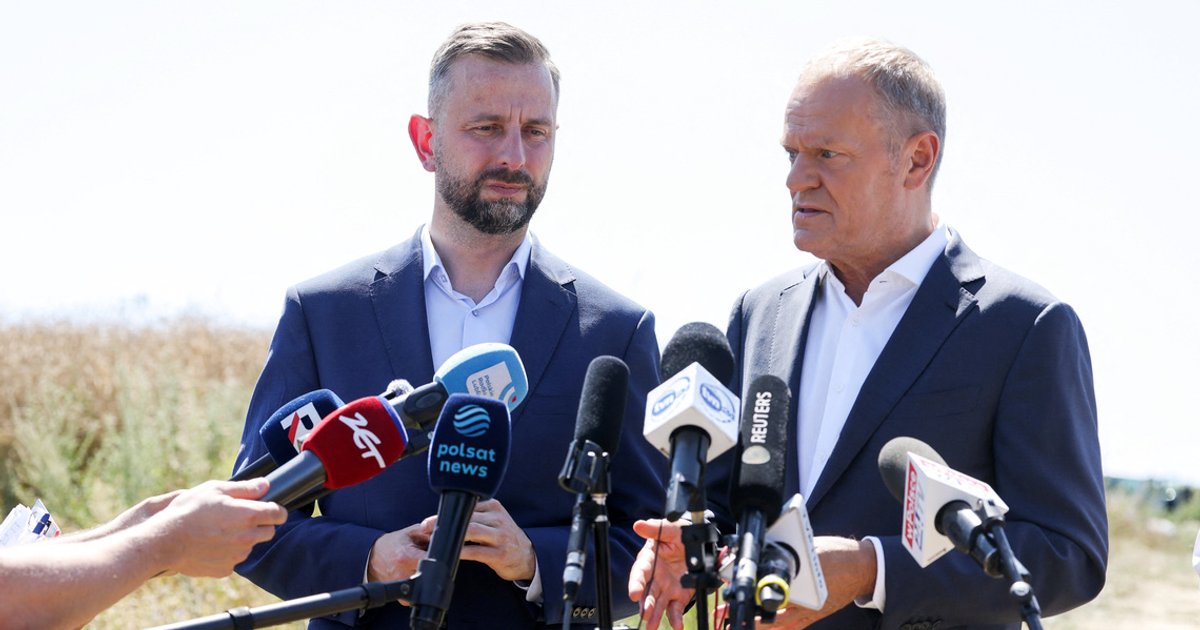
Poland investigates possible plot against prime minister and defence minister

Pakistan declares emergency in province governed by Imran Khan's party

Hitler Mussolini Simeon Flores elected mayor in Peru

Israel faces a consequential election in two weeks

Abbas postpones Palestinian elections until September 2027
Argentina’s Supreme Court provisionally restores limits on foreign land ownership
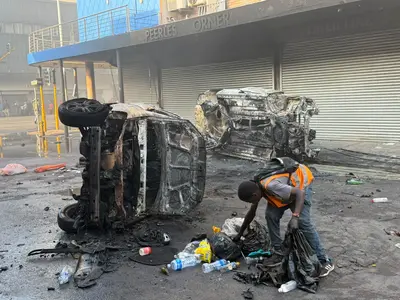
Anti-immigration protests turn violent in Johannesburg and Durban
PDP seeks INEC resolution after candidates omitted from 2027 election lists

Purported WhatsApp messages from Netanyahu aide Jonatan Urich appear online
Thousands march in Brussels against proposed government spending cuts

Lagos waste authority seals more than 25 buildings over alleged violations