Politics · Other · 1 day ago
Thousands march in Brussels against proposed government spending cuts
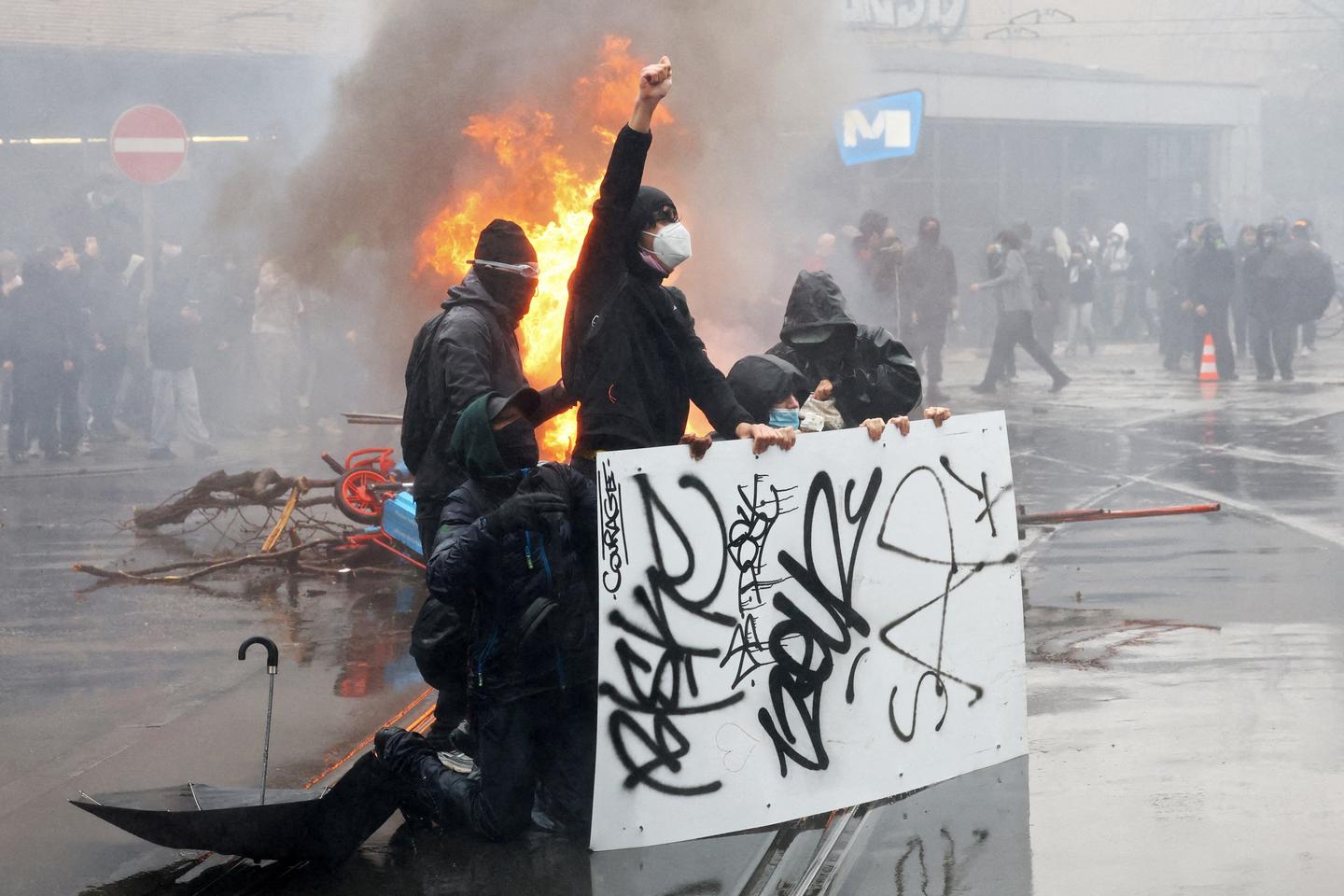
Thousands of people marched in Brussels on Friday against proposed spending cuts by Belgium’s federal government.
Police put attendance at about 30,000, while one union had estimated 50,000.
The two largest unions organised the march, saying the plans could reduce workers’ and pensioners’ purchasing power through changes to wages, taxes and other measures.
Students also protested education cuts, rising fees and reforms they fear could make university less affordable.
A smaller group clashed with police near Brussels railway stations, and officers used tear gas and water cannon.
Police said the clashes were separate from the main union march, which remained peaceful.
Arrest figures changed during the day: police initially reported about 20 or 21 detentions, then more than 100 by Friday evening.
The government was still negotiating a budget deal with coalition partners, with a target date of October 13.

About 30,000 people joined an anti-austerity demonstration in Brussels on Friday, October 9, according to police.
The main trade-union march was peaceful, but clashes broke out separately near Brussels railway stations.
Police used tear gas and water cannon as some people threw objects and set fires.
Unions oppose proposed measures they say could reduce purchasing power and affect workers, pensioners and low-income households.
Police reported more than 100 detentions by Friday evening, while casualty figures were not confirmed.
- Who
- About 30,000 demonstrators, including trade union members and students, attended. Police said smaller groups clashed with officers.
- What
- A national anti-austerity demonstration took place alongside clashes near railway stations.
- When
- Friday, October 9, 2026.
- Where
- Brussels, including areas near Brussels-Midi and Brussels-Central stations.
- Why
- Unions and students protested proposed government spending cuts and measures they said could affect purchasing power and education.
Trade unions and protesters
Belgian federal government
Purpose of measures
Trade unions and protesters
Unions oppose austerity measures and want wealthier people to contribute more through taxes.
Belgian federal government
The government is seeking savings to reduce Belgium’s high deficit.
Potential effects
Trade unions and protesters
Unions warn proposed changes could affect wages, purchasing power, pensions, low-income households and education.
Belgian federal government
The government is considering measures including changes affecting wage indexation, VAT and working time.
Response to protest
Trade unions and protesters
Police said the main trade-union march was peaceful and that those involved in clashes were separate from it.
Belgian federal government
Not stated
groups of troublemakers were responsible for serious incidents before and after the march
nothing to do with the goals or conduct of today's protest
not being listened to
Student protests in Liège descended into violence, with more than 200 arrests reported by Al Jazeera.
ABVV and ACV organised protests, with demonstrators marching from Brussels Central station to Brussels South Station.
Clashes broke out near Brussels railway stations on the sidelines of the main trade-union march.
Africanews reported that detentions had risen to more than 100, including around 30 judicial arrests and 80 administrative detentions.
Prime Minister Bart De Wever was seeking a deal with coalition partners on cuts by this date.
- Attendance
- About 30,000, according to police
- ABVV estimate
- 50,000 attendees
- Slogan
- stay out of our pockets
- Detentions
- More than 100 reported by Friday evening by Africanews
- Proposed savings
- €10 billion over the next few years
- Stations
- Brussels-Midi and Brussels-Central
Sources

Related news
Poland investigates possible plot against prime minister and defence minister

Pakistan declares emergency in province governed by Imran Khan's party

Hitler Mussolini Simeon Flores elected mayor in Peru

Abbas postpones Palestinian elections until September 2027
PDP seeks INEC resolution after candidates omitted from 2027 election lists

Purported WhatsApp messages from Netanyahu aide Jonatan Urich appear online
Argentina’s Supreme Court provisionally restores limits on foreign land ownership

Anti-immigration protests turn violent in Johannesburg and Durban

Former attorney general says he did not approve every step in Netanyahu probe
South Africa withdraws asylum directive after violent protests

Pakistan federal government takes control of Khyber Pakhtunkhwa