Science & Tech · Science & Environment · 1 day ago
Very strong El Niño could affect US winter weather and power grids
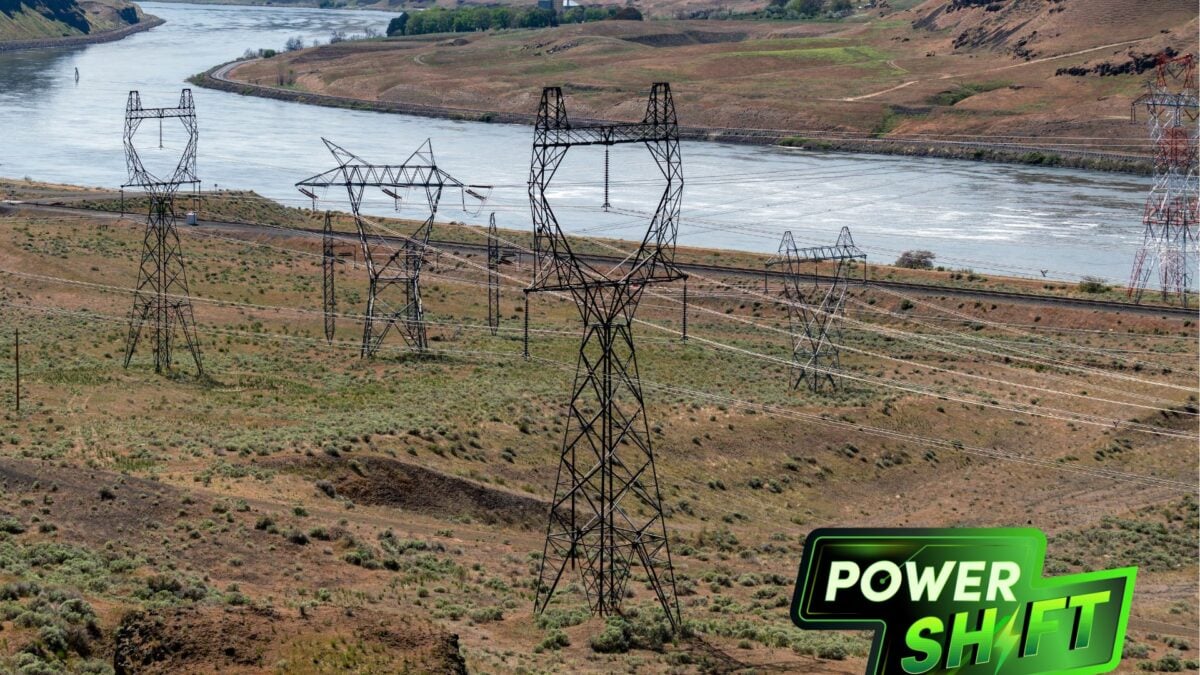
El Niño is a climate pattern linked to unusually warm water in the tropical Pacific.
This event is already stronger than the 2015–16 one, and forecasts say it may grow until December.
El Niño tends to bring warmer, drier winters to the northern US and cooler, wetter ones to the South, but it cannot predict exact events.
Those different conditions can affect how much power people use and how reliably electricity is supplied.

A very strong El Niño is developing, with tropical Pacific sea-surface temperatures already above the peak recorded during the 2015–2016 event and still rising.
Forecasts cited by Gizmodo suggest the event will peak in December, when sea-surface temperatures could be about 7.2 degrees Fahrenheit (4 degrees Celsius) above average.
El Niño historically raises the odds of warmer, drier winter conditions in the northern United States and cooler, wetter conditions in the southern United States and on the West Coast.
The article says these patterns could affect electricity supply and demand, but El Niño does not guarantee particular weather events or their severity.
How vulnerable different parts of the country may be will also depend on regional differences in grid infrastructure and energy resources.
- Who
- The US power sector and American households
- What
- The possible effects of a very strong El Niño on US weather and the power grid this winter
- When
- Winter 2026–2027; forecasts suggest El Niño will peak in December
- Where
- The United States
- Why
- El Niño can shift weather patterns, affecting power supply and demand.
This story does not have two clearly opposing sides.
When we see an El Niño, particularly a strong El Niño, what that tells us is there is a much higher likelihood of this or that. It’s not going to increase the magnitude of events
This story does not have a timeline yet.
- Forecast peak
- December
- Projected sea-surface temperature anomaly
- About 7.2 degrees Fahrenheit (4 degrees Celsius) above average
- Previous event already surpassed
- The record-warm peak of the 2015–2016 El Niño
- Comparable past event
- The 1997–1998 El Niño, which contributed to the second-warmest and seventh-wettest winter for the contiguous United States since 1895
Sources
Related news
Researchers map hair-like sensory cells across squid bodies

Bellbird and Seriema Among the Loudest Birds Measured
Survey finds only 83 mature cheetahs across a vast area of South Africa

British Columbia rogue wave was nearly three times taller than nearby waves

Detached sea cucumber tissue remained active for more than three years

New book examines the survival skills of 75 fierce forms of nature

Air pollution reaches ‘very poor’ levels in towns near Manaus

Young Puerto Rican parrot rescued from invasive boa
Warm, mostly sunny weather forecast across the Netherlands this week

Researchers confirm a new giant waterlily species in Colombia
Amazonas fires rise 271% in the first 10 days of October