Science & Tech · Science & Environment · 10 hrs ago
How modern fears have shaped theories about Neanderthal extinction
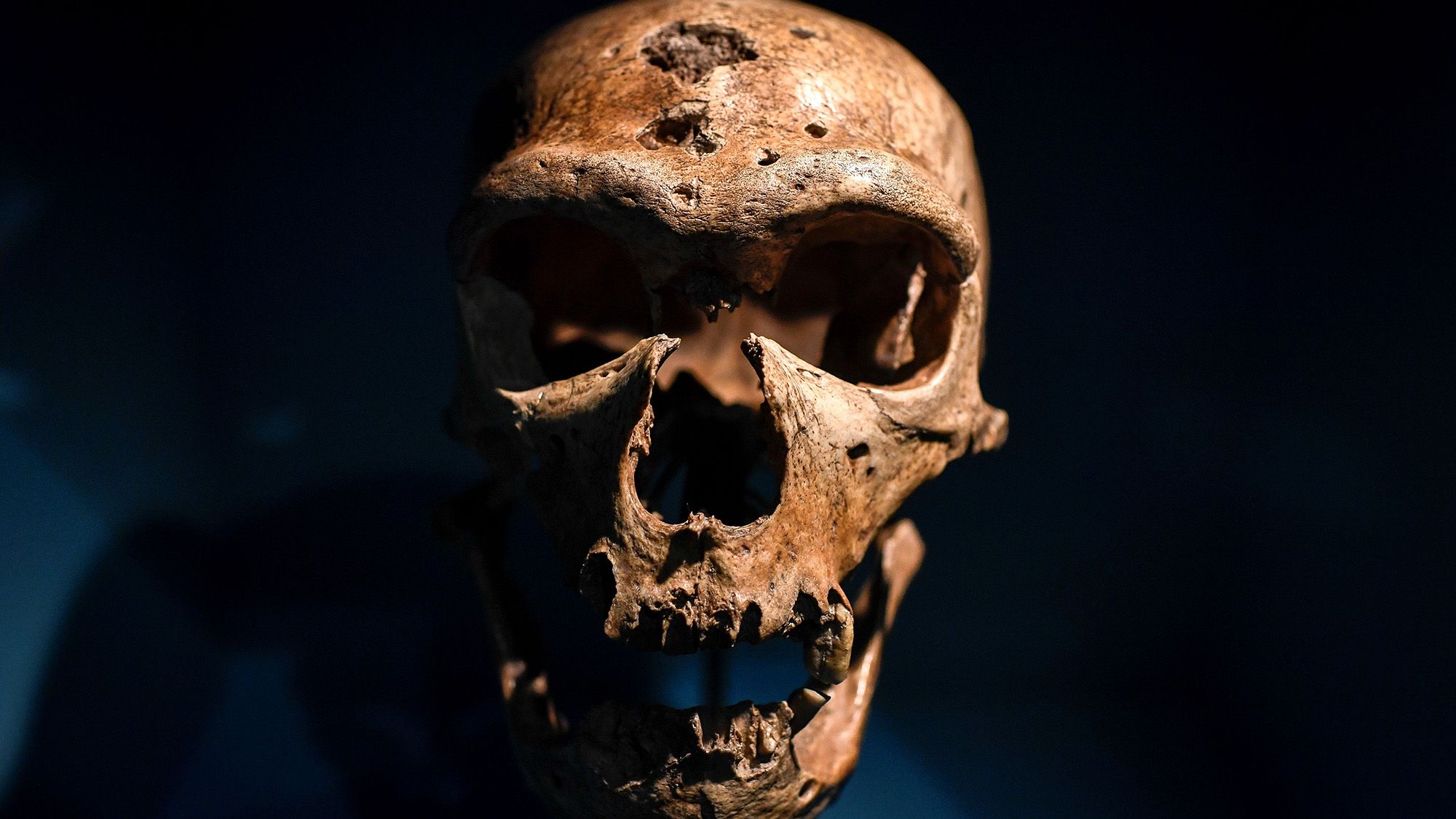
Neanderthals were an ancient human lineage whose remains have been studied since the 19th century.
Scientists have proposed several reasons for their extinction, including disease and climate change.
Historian Peter Sahlins argues that ideas about Neanderthals have also been shaped by how people view their own societies.
In his 2026 book, he examines how cultural and political beliefs influenced the way people interpreted this lost human lineage.
He also looks at how accounts of their extinction have reflected modern fears.
This matters because explanations of the past can reveal the concerns and assumptions of the people telling the story.

Theories about why Neanderthals went extinct range from disease to climate change.
Historian Peter Sahlins argues that views of Neanderthals have been shaped by cultural and political ideologies.
His book examines how people have interpreted this lost human lineage through their own beliefs and concerns.
Sahlins’s excerpt focuses on extinction theories and the philosophical questions people have placed on Neanderthals.
Neanderthal remains were discovered in the 19th century.
- Who
- Neanderthals, and the people who have studied and interpreted them.
- What
- The story examines theories about Neanderthal extinction and how modern beliefs have shaped them.
- When
- Since the discovery of Neanderthal remains in the 19th century; the book was published in 2026.
- Where
- Not stated
- Why
- Sahlins examines how cultural and political ideologies have influenced views of Neanderthals and their extinction.
This story does not have two clearly opposing sides.
No direct quotes in the coverage so far.
This story does not have a timeline yet.
- Book
- Neanderthals Among Us: The Making of a Prehistoric Human
- Author
- Peter Sahlins
- Publisher and year
- Oneworld Publications, 2026
- Remains discovered
- 19th century
- Academic career
- Taught at the University of California, Berkeley, for thirty years
Sources
Related news
Researchers map hair-like sensory cells across squid bodies
Bellbird and Seriema Among the Loudest Birds Measured
Survey finds only 83 mature cheetahs across a vast area of South Africa

British Columbia rogue wave was nearly three times taller than nearby waves

Detached sea cucumber tissue remained active for more than three years
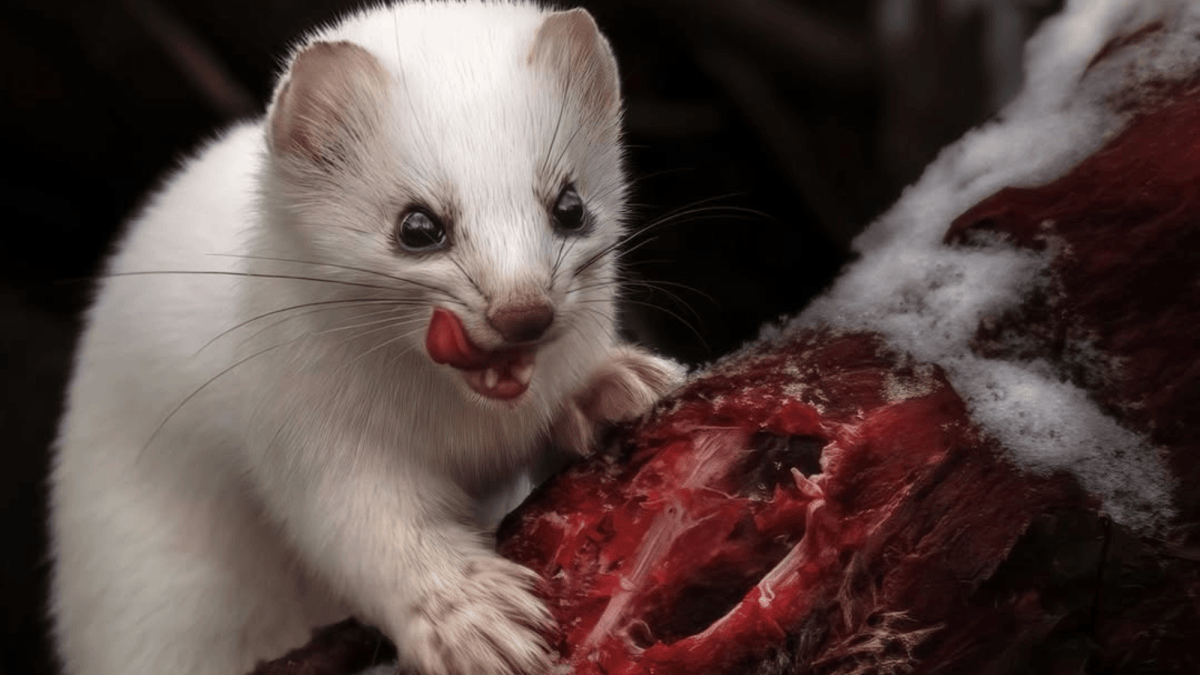
New book examines the survival skills of 75 fierce forms of nature

Air pollution reaches ‘very poor’ levels in towns near Manaus
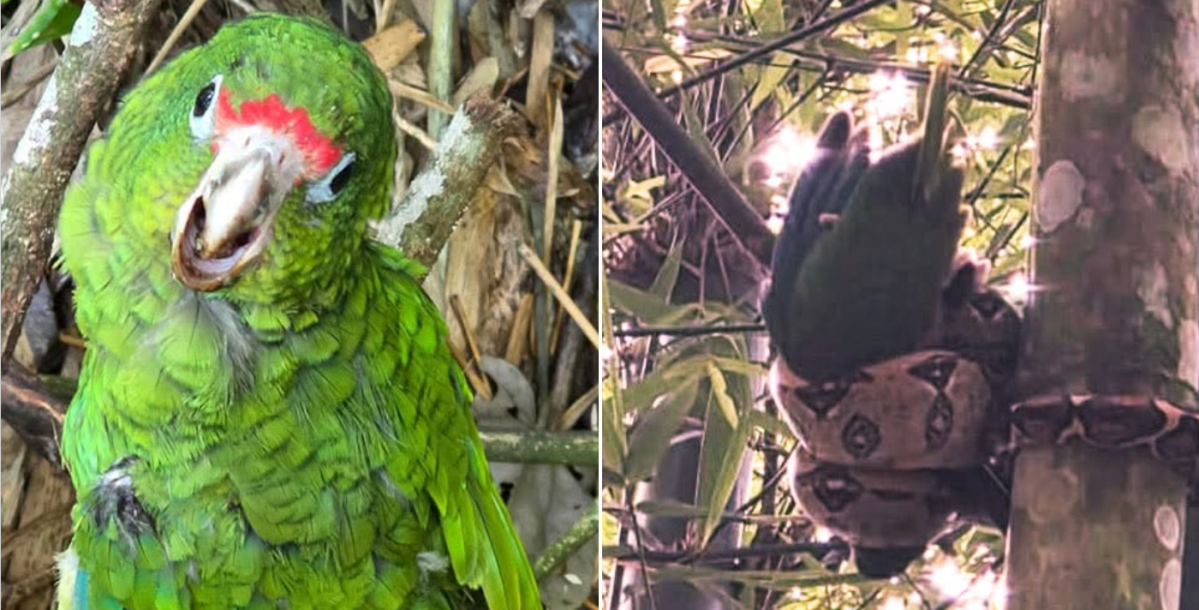
Young Puerto Rican parrot rescued from invasive boa

Warm, mostly sunny weather forecast across the Netherlands this week

Researchers confirm a new giant waterlily species in Colombia

Amazonas fires rise 271% in the first 10 days of October