Science & Tech · Big Tech & Internet · 10 hrs ago
How Android Automotive and Google Built-in differ
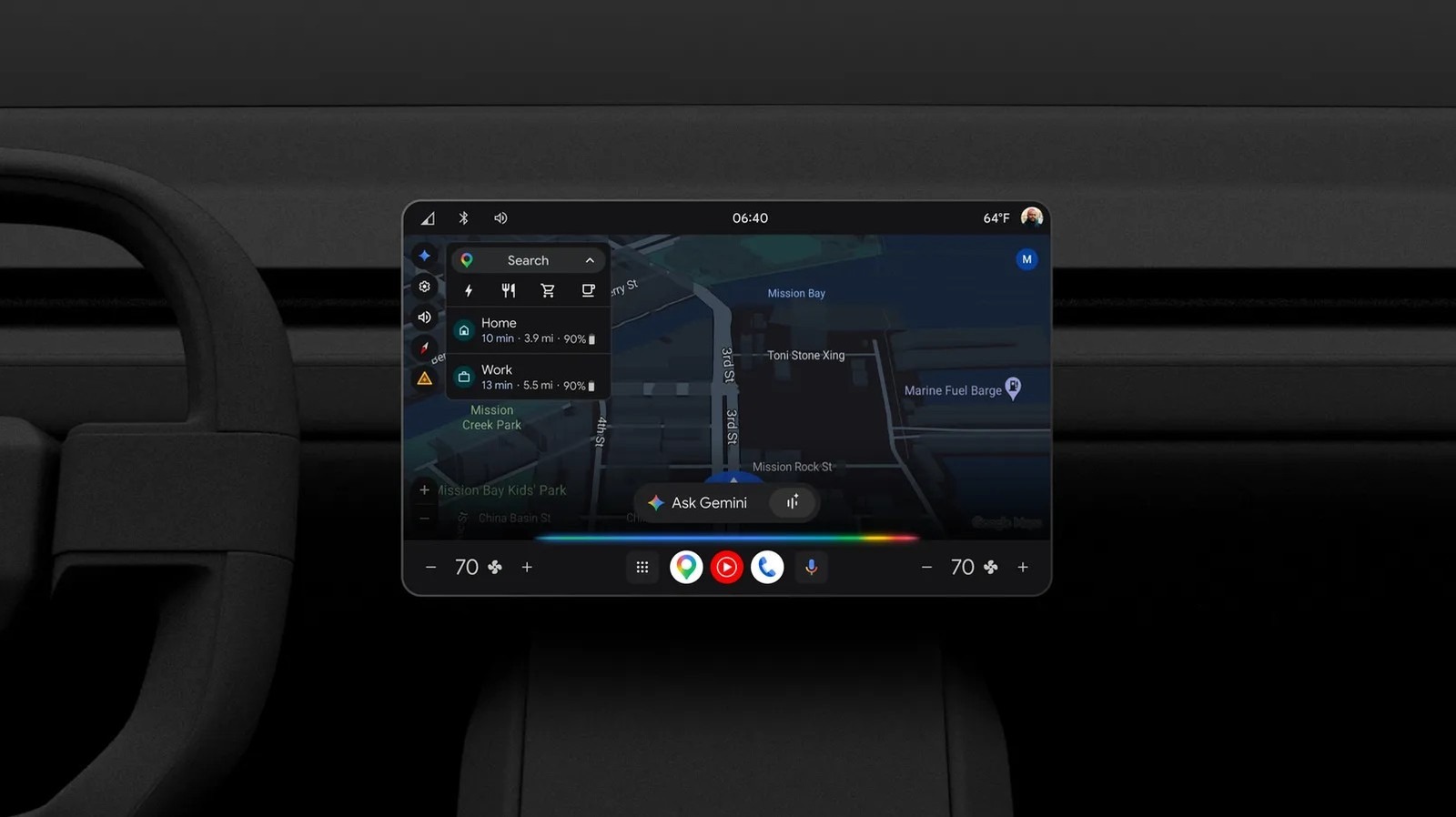
Car companies are increasingly using infotainment systems built into vehicles instead of relying on phone-mirroring apps such as Android Auto.
Android Automotive is a software foundation that manufacturers can use to run vehicle systems and build customized dashboards.
Google Built-in is a set of Google apps that carmakers can license for those systems, including Maps and access to the Play Store.
Neither system requires drivers to have an Android phone.
The distinction matters because it affects which features drivers get and how much control carmakers have over the system's design.
The source says 16 car brands have access to Google Built-in, and Gemini is replacing Google Assistant in the system.
Google is adding AI features to its in-car apps, including Maps.

Android Automotive is a full-stack operating system that automakers can use to run vehicle systems such as climate controls, cameras and instrument clusters.
Google Built-in is a licensed group of apps, including Google Maps and Gemini, that automakers can add to their Android-based systems.
Both systems can run without a connected phone, unlike Android Auto, which projects a phone’s display onto a car dashboard.
Automakers say built-in systems can create a more seamless connection between drivers and their vehicles.
Some customers worry the systems could be used to generate revenue through subscriptions or the sale of driver data.
- Who
- Google and automakers use Android Automotive and Google Built-in in vehicles.
- What
- The article explains the difference between Android Automotive, a full-stack operating system, and Google Built-in, a licensed group of apps.
- When
- Google Built-in debuted in 2020. GM has moved away from Android Auto in favor of Google Built-in since 2023.
- Where
- In cars’ infotainment systems and other vehicle systems.
- Why
- Automakers use the technologies to provide in-car software and apps; they say this can create a more seamless connection between drivers and vehicles.
Automakers
Some customers
Rationale
Automakers
Automakers say built-in systems can bring a more seamless connection between drivers and vehicles.
Some customers
Some customers suspect the systems are intended to open revenue streams rather than improve the driving experience.
Revenue and data
Automakers
Not stated.
Some customers
Some customers worry about subscriptions or the sale of driver data.
No direct quotes in the coverage so far.
Google Built-in debuted.
GM has moved away from Android Auto in favor of a Google Built-in solution.
- Android Automotive
- Full-stack software that can operate vehicle systems including climate control, cameras and instrument clusters
- Google Built-in
- A licensed group of apps that includes Google Maps and Gemini
- Google Built-in debut
- 2020
- GM shift
- Since 2023, GM has moved away from Android Auto in favor of Google Built-in
- Phone requirement
- Neither Android Automotive nor Google Built-in requires drivers to use an Android phone
Sources
Related news

Apple’s HomeView smart home hub is expected to ship in mid-November
Apple classifies the 2017 Apple TV 4K as vintage

Next Apple TV may add hands-free Siri and a speaker in its remote

Apple confirms October 13 launch focused on smart home products
Entry-level iPad update expected in early 2027

Microsoft unveils Surface Laptop Ultra and redesigned Windows Search
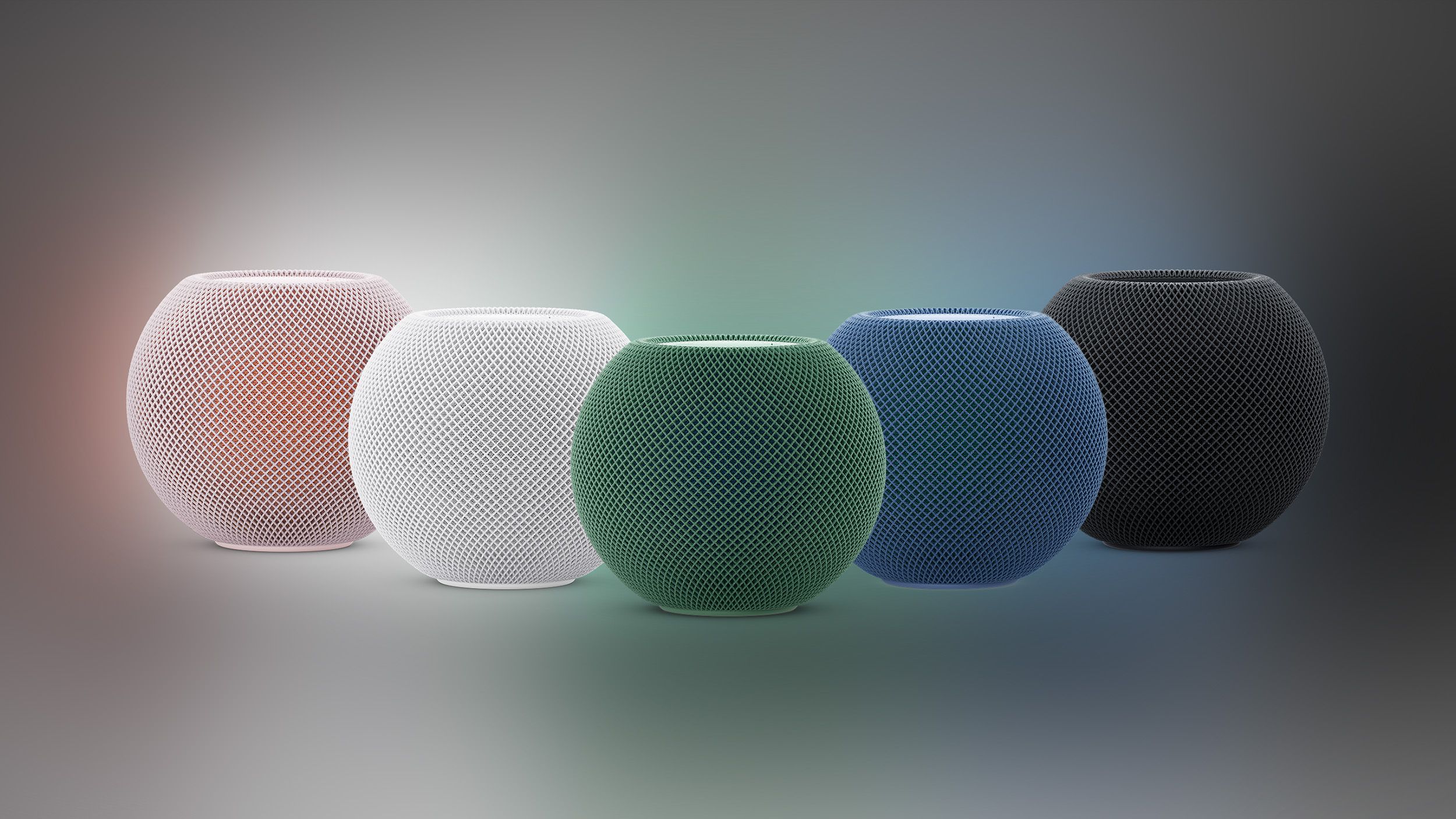
Apple reportedly plans new HomePod mini and Apple TV on Oct. 13

Apple is expected to unveil HomeView smart home hub on Tuesday

Apple reportedly plans touchscreen MacBook and iPad mini launch around October 27
Aves Gallery offers an Android photo library without cloud uploads

A touchscreen MacBook Pro may be coming, but the Mac and iPad remain separate