Science & Tech · Big Tech & Internet · 5 hrs ago
Mbps and MB/s measure data speeds in different ways
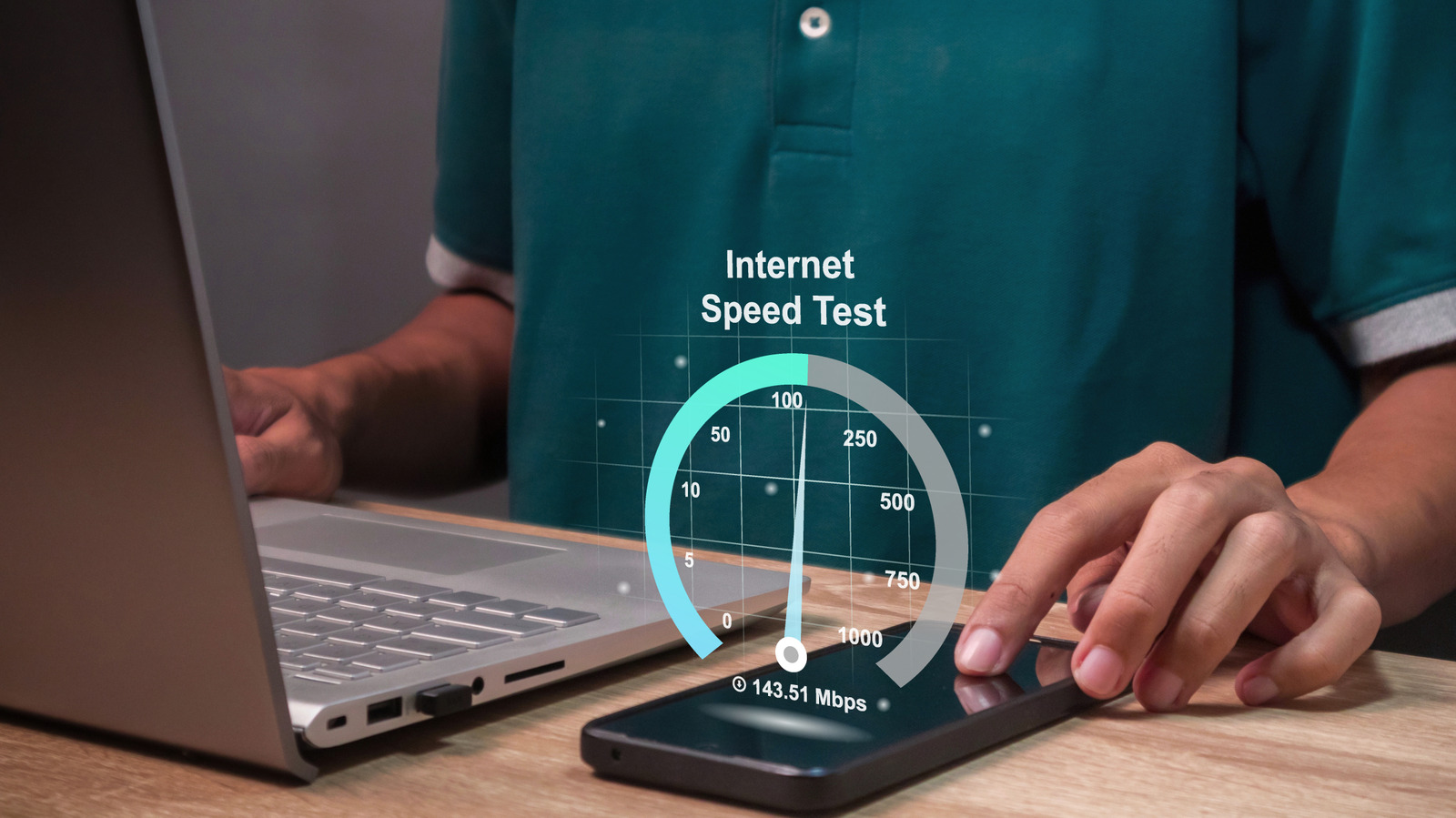
Mbps and MB/s both describe how quickly data moves, but they use different units.
Mbps means megabits per second and is commonly used to describe internet speeds.
MB/s means megabytes per second and is often used for transferring files to or from storage.
A byte contains eight bits, so a speed in Mbps is eight times the same speed expressed in MB/s.
For example, 100 Mbps equals 12.5 MB/s.
Knowing the difference can help you compare internet plans and estimate how long a file transfer may take.
To convert Mbps to MB/s, divide by eight; to convert MB/s to Mbps, multiply by eight.

Mbps measures data transfer in bits per second and is commonly used for internet speeds.
MB/s measures data transfer in bytes per second and is often used for file transfers and storage devices.
One byte equals eight bits, so a speed in Mbps is divided by eight to convert it to MB/s.
The article says the US Federal Communications Commission uses 100 Mbps as its broadband speed threshold and 20 Mbps for uploads.
Ookla reported median US household speeds in August 2026 of 307 Mbps for downloads and 63 Mbps for uploads.
- Who
- Internet users comparing data speeds, and the Federal Communications Commission and Ookla as cited sources.
- What
- The article explains how Mbps and MB/s differ and how to convert between them.
- When
- Published October 11, 2026; it also cites speed data from August 2026.
- Where
- The speed figures cited are for American households.
- Why
- Confusing the units can lead to misunderstandings about internet speeds and file-transfer rates.
This story does not have two clearly opposing sides.
No direct quotes in the coverage so far.
The article says the FCC’s benchmarks for high-speed internet were four times slower than its current standards.
Ookla reported median download and upload speeds for American households of 307 Mbps and 63 Mbps, respectively.
Engadget published an explanation of the difference between Mbps and MB/s.
- Bits per byte
- 8 bits
- FCC broadband threshold
- 100 Mbps
- FCC upload requirement
- 20 Mbps
- US household median download speed
- 307 Mbps in August 2026
- US household median upload speed
- 63 Mbps in August 2026
Sources
Related news

Dennis Ritchie’s Unsubmitted Dissertation Still Raises Questions
Apple reportedly plans HomeView smart home hub for November

Google study finds custom patches can make open-source updates harder

Apple and LG prepare smart home products to challenge Amazon and Google
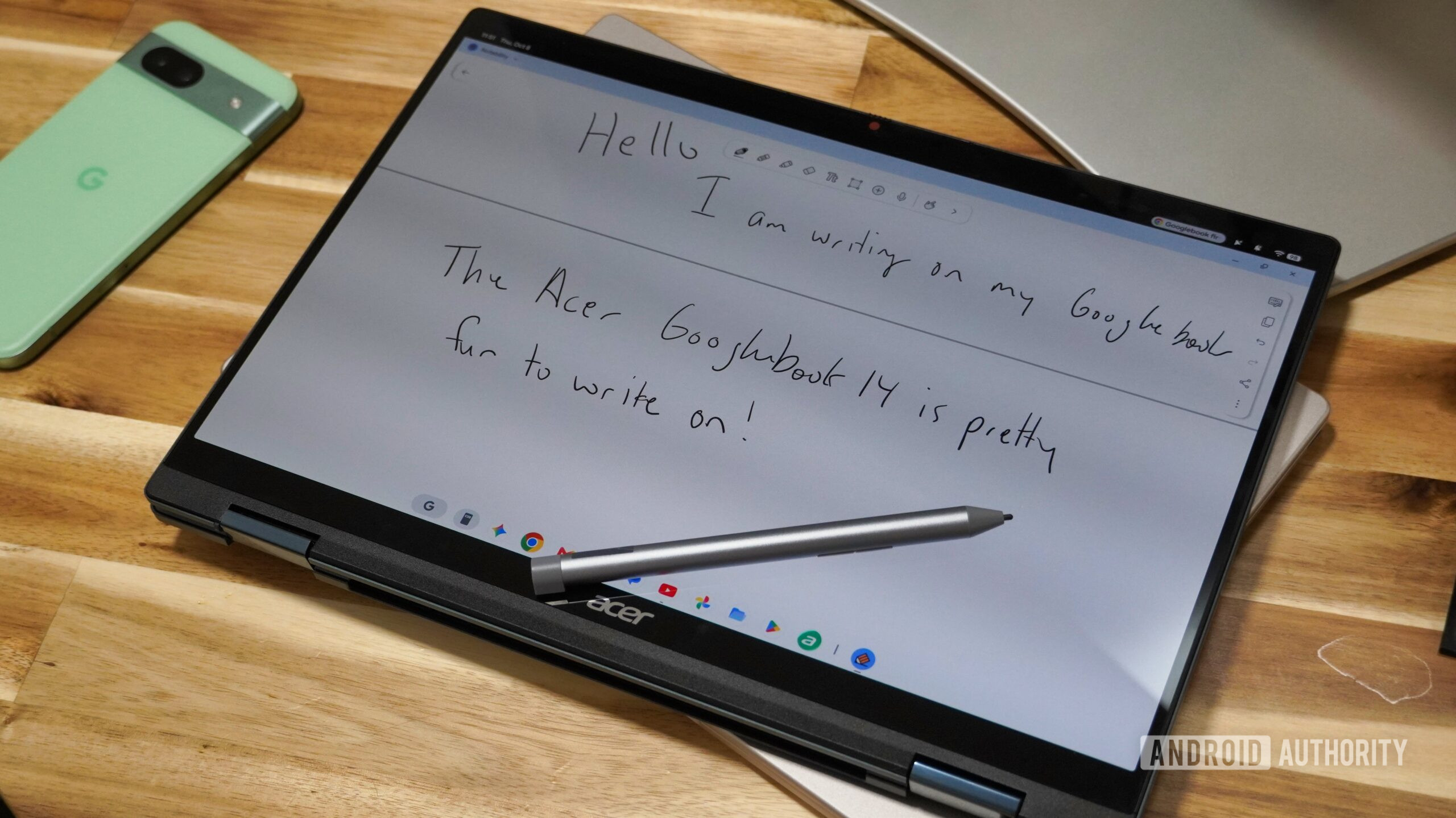
Google adds Samsung phone support to Googlebook features

New Apple TV 4K and HomePod mini set to ship October 30

Apple may add Siri microphones and a speaker-equipped remote to Apple TV 4K

Apple confirms October 13 launch focused on smart home products
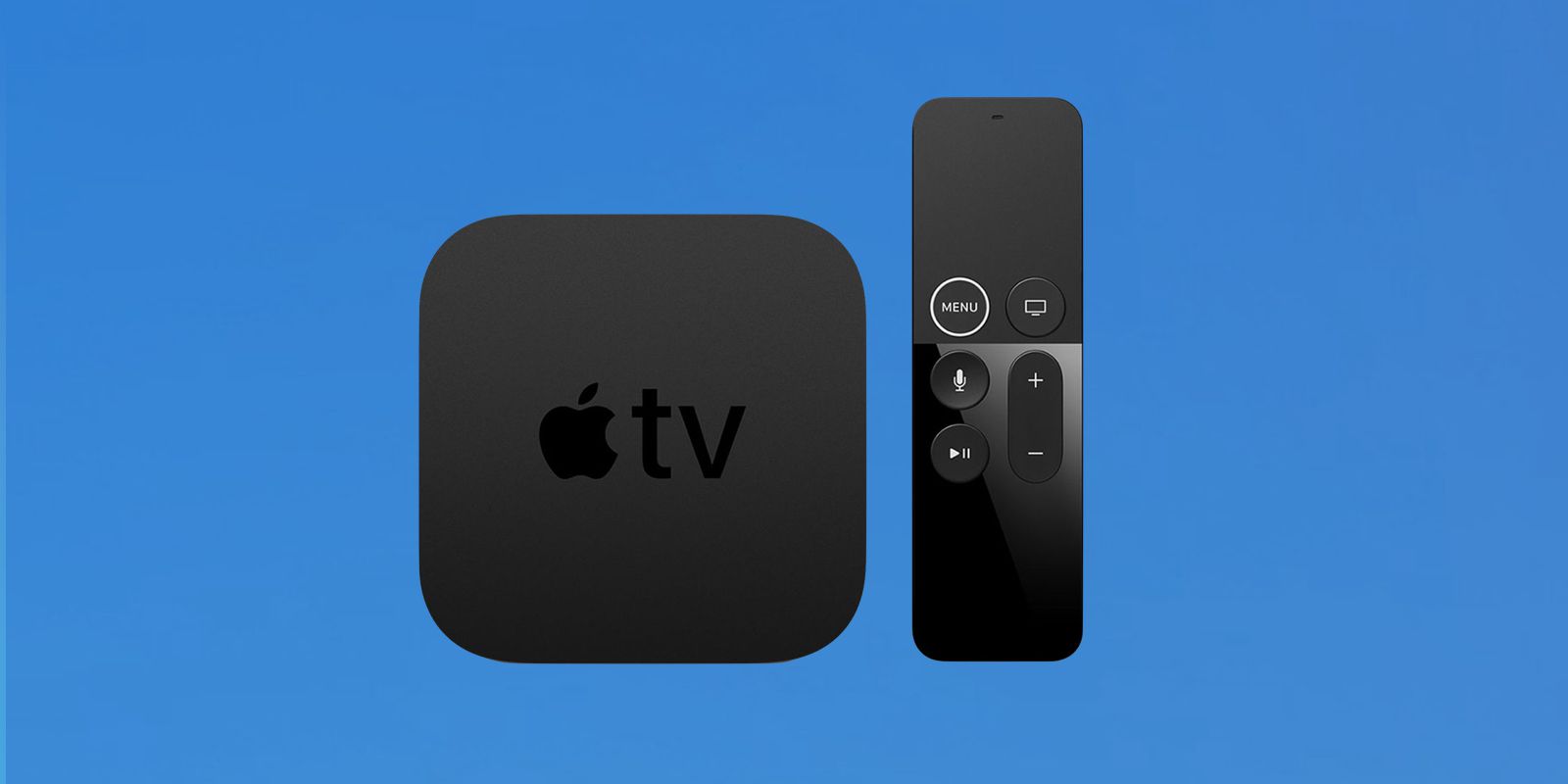
Apple classifies the 2017 Apple TV 4K as vintage

Apple reportedly plans touchscreen MacBook and iPad mini launch around October 27

China Mobile expands Hohhot computing center to 20,100 PFLOPS