Science & Tech · Science & Environment · 13 hrs ago
Roman aqueducts used siphons and lifting devices to move water uphill
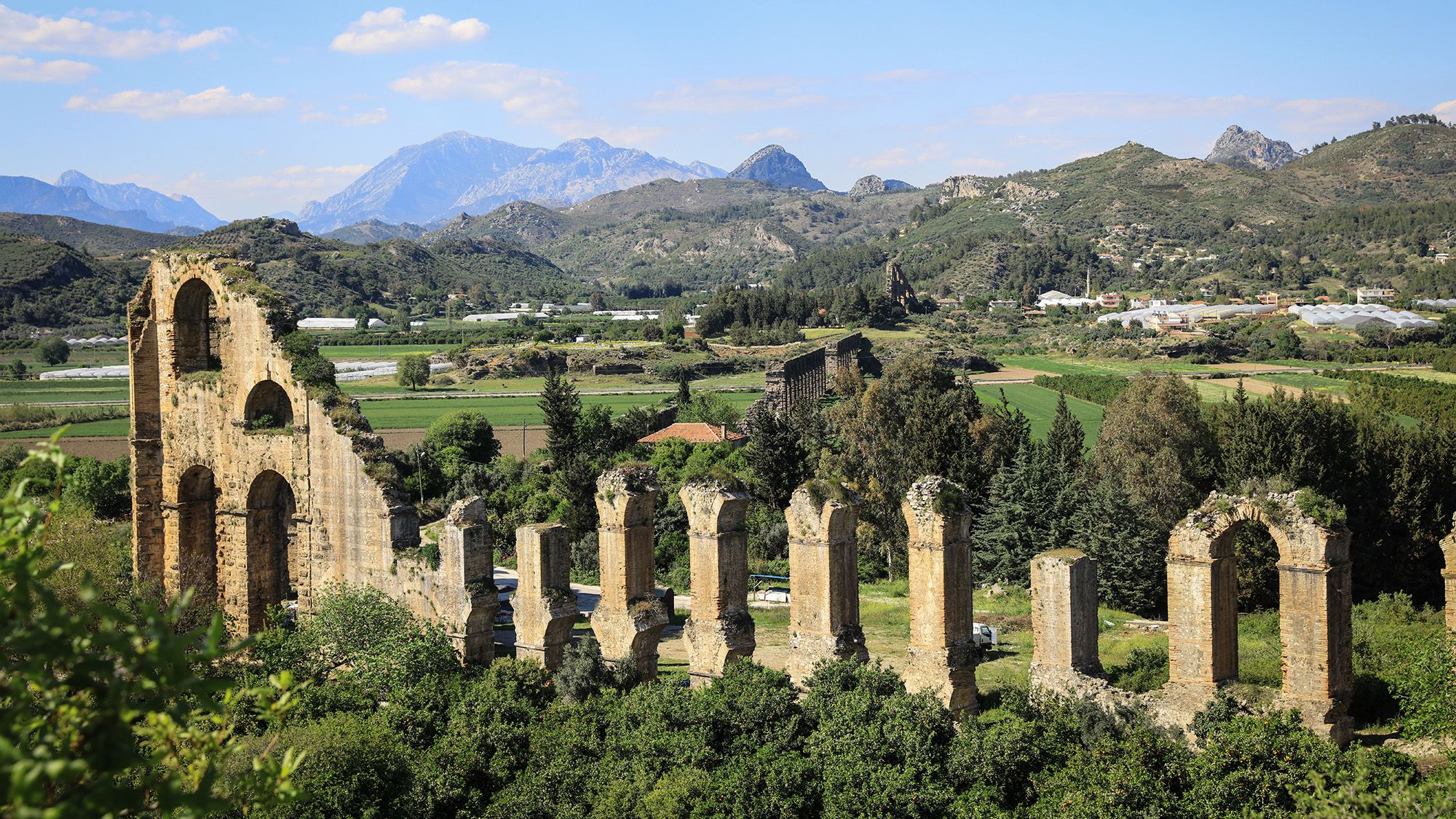
Roman aqueducts carried water to cities, usually by letting gravity move it gradually downhill.
Some routes had uphill sections, including the aqueduct at Aspendos in what is now Turkey.
Romans used more than one method to get water past these rises.
These included siphons and water-lifting devices.
The usual downhill flow alone could not explain how water crossed those sections.
The methods helped aqueducts bring water to places along routes with changing terrain.
The available information does not specify how each method worked or what happened next.

Roman aqueducts generally used gravity to carry water gradually down to cities.
Some aqueducts had sections where water needed to travel uphill.
The aqueduct at Aspendos in Turkey is one example.
Romans used siphons and various water-lifting devices to move water uphill.
- Who
- The ancient Romans.
- What
- They used siphons and water-lifting devices to move water uphill in some aqueduct sections.
- When
- Not stated.
- Where
- At Roman aqueducts, including the one at Aspendos in Turkey.
- Why
- Some aqueduct sections had to carry water uphill.
This story does not have two clearly opposing sides.
No direct quotes in the coverage so far.
This story does not have a timeline yet.
- Example aqueduct
- Aspendos, Turkey
- Usual water movement
- Gravity carried water gradually down to cities
- Methods for uphill sections
- Siphons and various water-lifting devices
Sources
Related news
Researchers map hair-like sensory cells across squid bodies
Bellbird and Seriema Among the Loudest Birds Measured
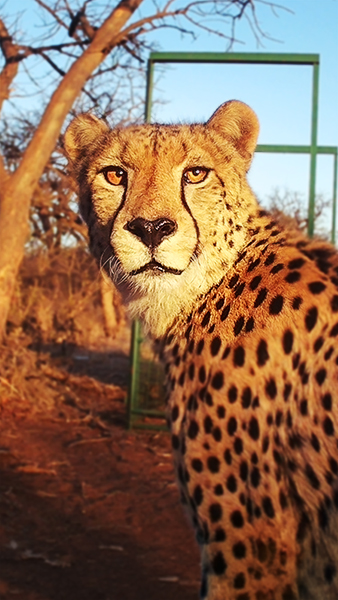
Survey finds only 83 mature cheetahs across a vast area of South Africa

British Columbia rogue wave was nearly three times taller than nearby waves

Detached sea cucumber tissue remained active for more than three years

New book examines the survival skills of 75 fierce forms of nature
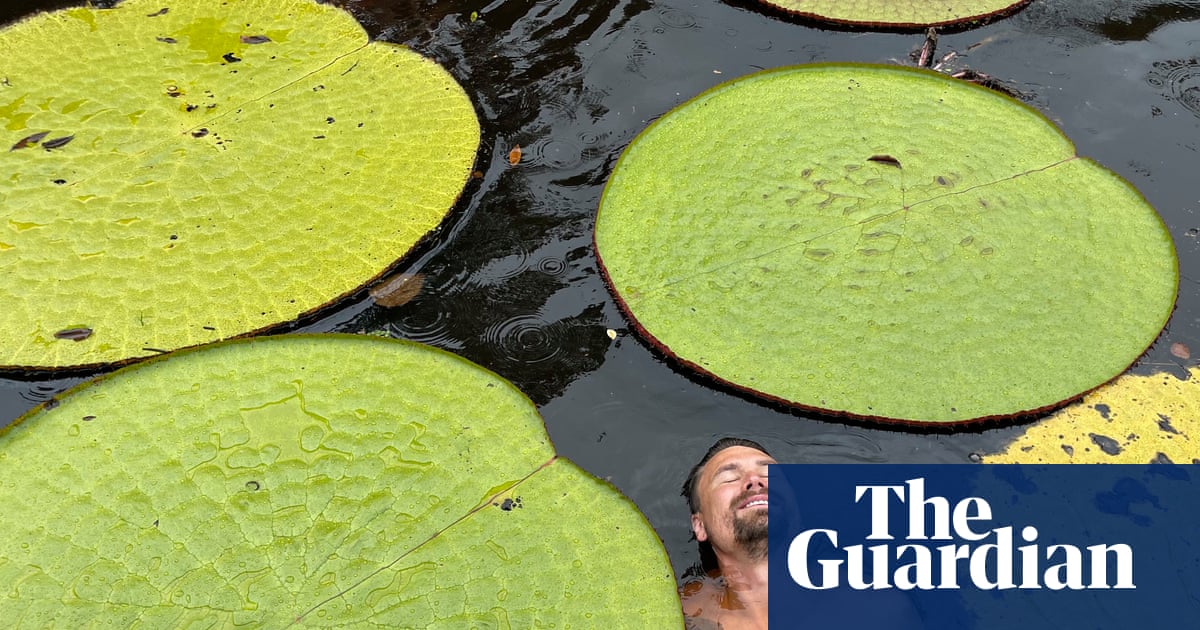
Researchers confirm a new giant waterlily species in Colombia
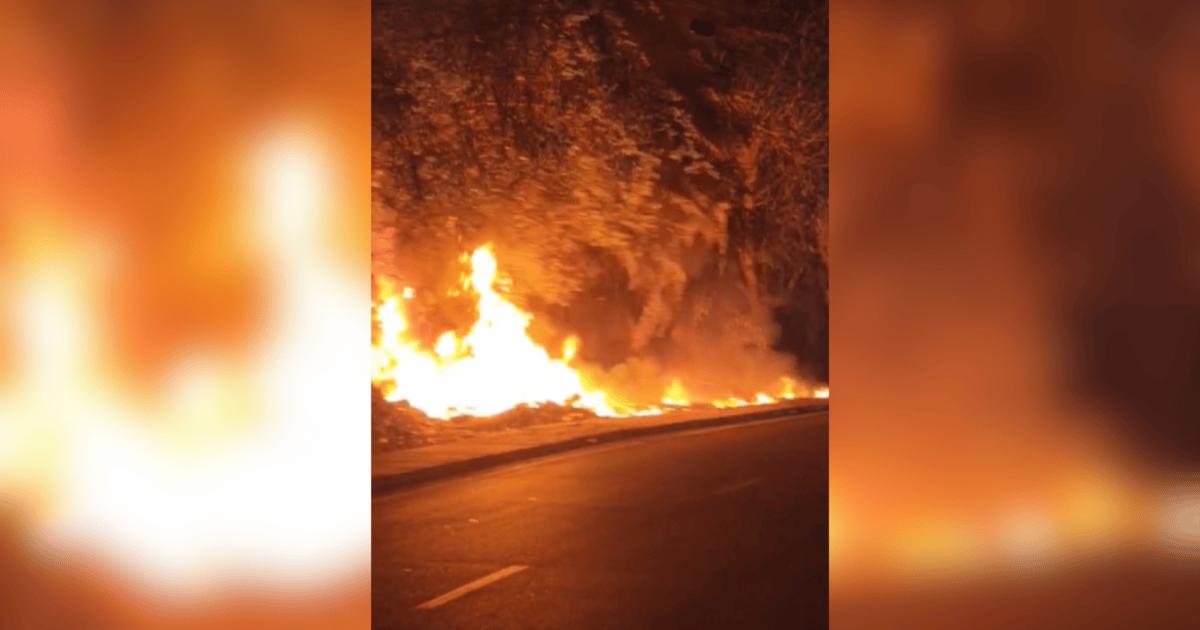
Air pollution reaches ‘very poor’ levels in towns near Manaus
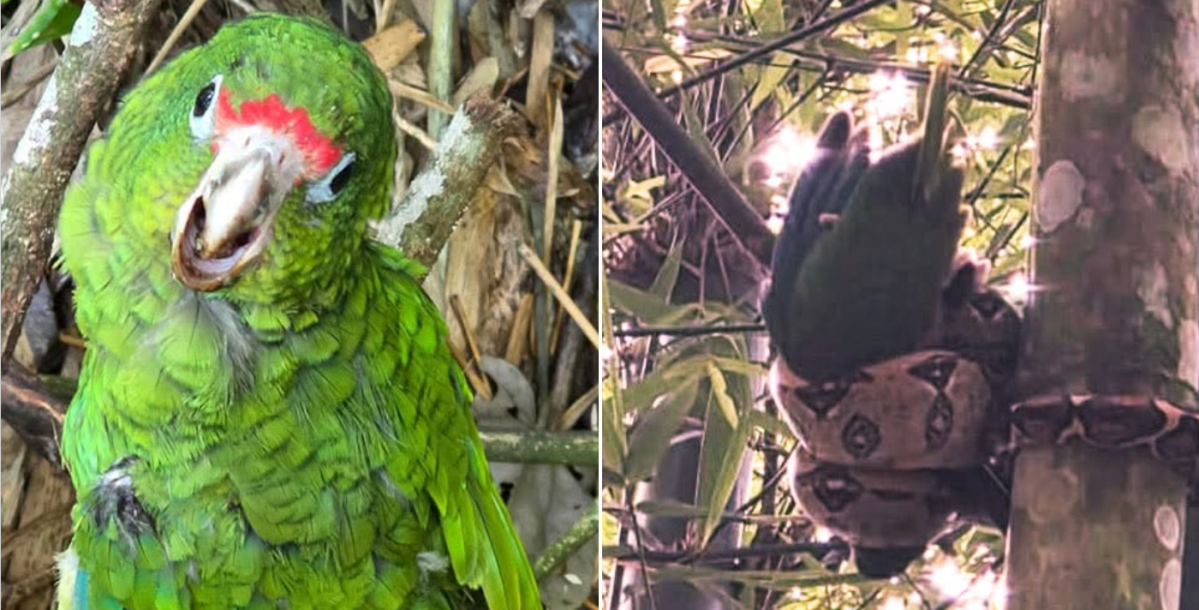
Young Puerto Rican parrot rescued from invasive boa
Warm, mostly sunny weather forecast across the Netherlands this week
Showers and morning fog forecast in parts of Türkiye