Health · Medical Research · 2 hrs ago
Epilepsy Drug Shows Promise for Osteoarthritis in Early Tests
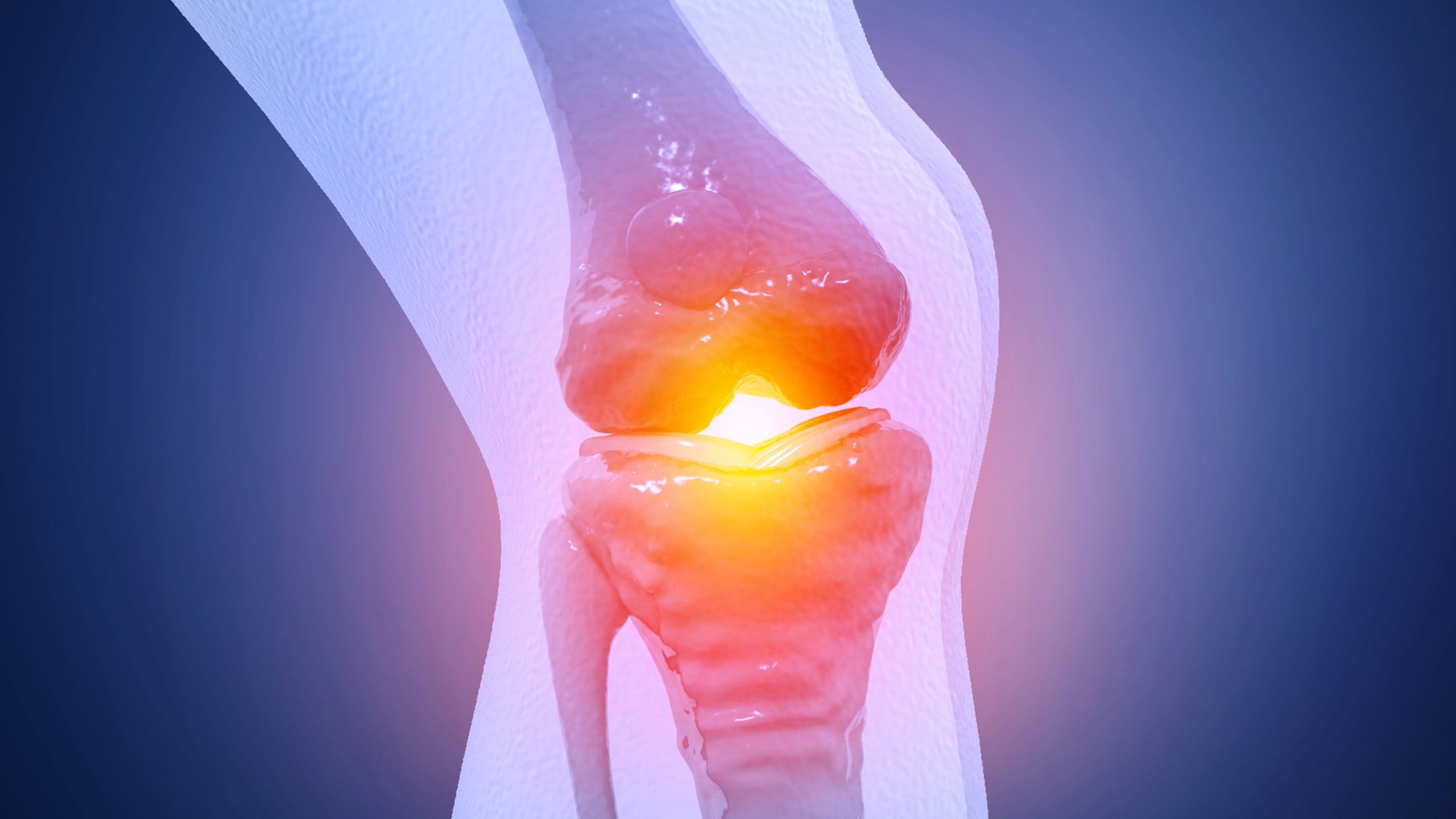
Yale researchers found that lacosamide may help treat osteoarthritis, a condition in which joint cartilage wears away.
Current treatments can ease pain, but do not repair the cartilage; severe cases may require joint replacement surgery.
In tests using mice and human cartilage cells in the lab, lacosamide slowed cartilage damage, encouraged repair and reduced pain.
The drug blocks Nav1.7, a protein involved in pain signals and the balance between cartilage breakdown and repair.
In mice, injections into the affected joint worked better than pills, and a hydrogel helped keep the drug there and release it over time.
Tests in people with osteoarthritis are still needed, though lacosamide is already approved as an epilepsy drug, which may shorten the path to clinical testing.

Researchers at Yale School of Medicine found that the epilepsy drug lacosamide showed potential to reduce osteoarthritis pain and help repair cartilage in early tests.
The tests used mouse models and human cartilage cells in a laboratory.
The researchers identified a dose range that appeared beneficial without overcorrecting.
In mice, delivering the drug directly into the joint worked better than giving it orally, and a hydrogel helped keep it there and release it over time.
The findings, published in Bioactive Materials, have not yet been tested in osteoarthritis patients.
- Who
- Researchers from Yale School of Medicine, led by a team that included musculoskeletal biologist Chuan-Ju Liu.
- What
- Early tests found that lacosamide may reduce osteoarthritis pain and support cartilage repair.
- When
- The results were published in 2026; the article was published on October 13, 2026.
- Where
- The research was conducted by a team from Yale School of Medicine in the US. Tests involved mouse models and human cartilage cells in a laboratory.
- Why
- Researchers investigated lacosamide because it blocks Nav1.7, a protein involved in pain signals and cartilage regulation.
This story does not have two clearly opposing sides.
Some of the researchers identified Nav1.7 as involved in pain signaling and cartilage regulation.
Researchers tested lacosamide in mouse models and human cartilage cells in the laboratory.
The results were published in Bioactive Materials.
- Research team
- Yale School of Medicine
- Drug
- Lacosamide, an epilepsy drug and sodium channel blocker
- Target protein
- Nav1.7
- Test models
- Mice and human cartilage cells in the laboratory
- Potential delivery method
- Hydrogel injections into the affected joint
What people are saying
There is an optimal range where the drug helps restore balance without overcorrecting
What stood out was not just its effectiveness, but how little of a dose was needed.
By blocking this single protein, we can potentially quiet the pain nerves and tell the cartilage cells to not only stop breaking down but start repairing as well.
It holds the drug in place in the location it is needed most and releases it slowly over time.
Sources
Related news

Pope Leo has surgery scheduled to remove a lung nodule

Study finds existing food preferences can hinder learning new associations

Fertility doctors explain what happens after eggs are frozen

Women describe side effects of hormones used for egg freezing

Pope Leo XIV to have lung nodule removed in surgery this week

Intestinal gases may offer clues about gut health

Early-onset Alzheimer’s linked to different health problems than later-onset disease

Small study links carrot juice to changes in colon polyp tissue

Study links several health issues to early-onset Alzheimer’s years before diagnosis

Pope Leo XIV to have surgery to remove an early-stage lung nodule

Studies differ on whether sperm counts are falling worldwide