Science & Tech · Science & Environment · 1 day ago
Beer-making waste shows promise as a water filter
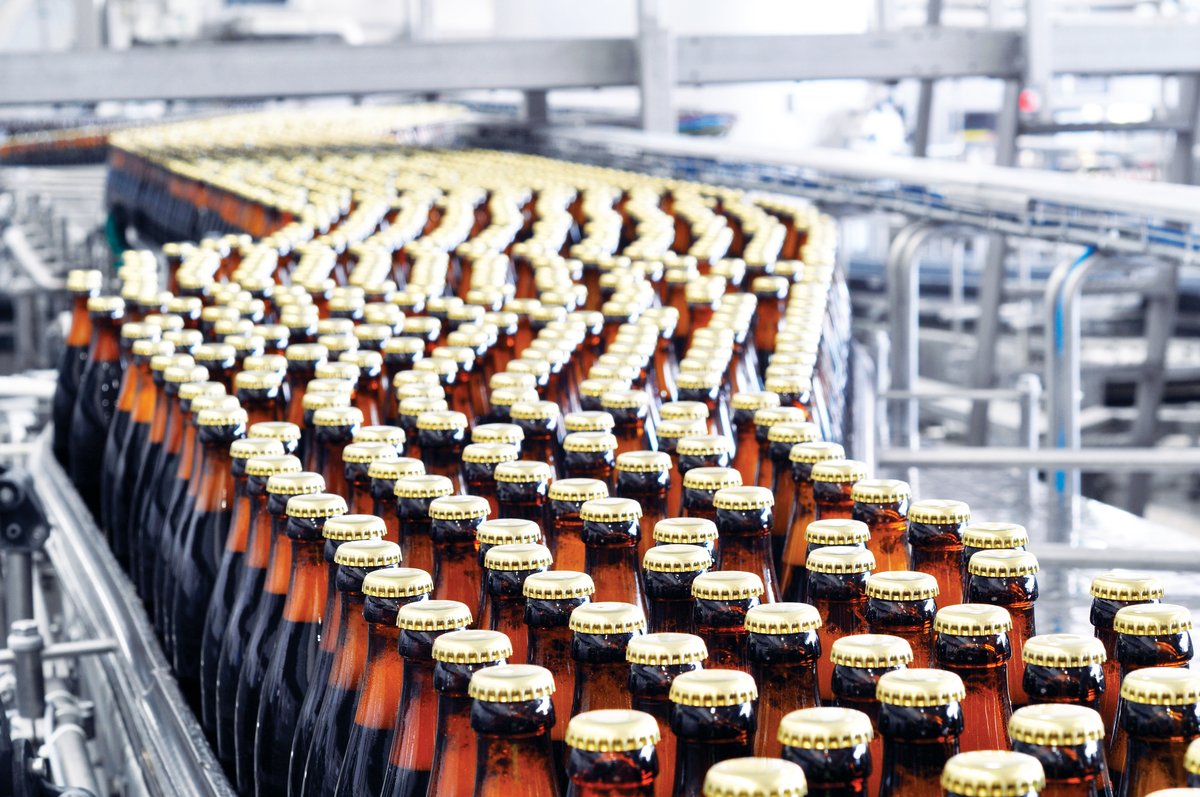
Researchers in Greece made a charcoal-like material called biochar from spent malt rootlets, small sprouts left over from making beer.
In laboratory tests, they mixed the biochar with sand and passed water through it.
The mixture removed about five times as much E. coli bacteria as sand alone.
Sand mainly blocks microbes from passing through, while the biochar can also trap them.
This matters because groundwater can be contaminated by agricultural waste or fecal matter, which can make people who drink it sick.
Turning brewery waste into a filter could provide another use for a growing stream of by-products.
The researchers plan to test the material under real-world conditions; it is not yet known whether it can be reused after trapping bacteria.

Researchers made biochar from spent malt rootlets, a waste product from beer-making, and tested it in a laboratory water filter.
A sand filter containing 10 percent biochar removed around five times as much Escherichia coli as a filter using only sand.
The biochar appeared to trap bacteria and slow their passage through the filter.
The researchers plan to test how well it works under real-life conditions.
An outside researcher called the work a proof of concept and said it remains unclear whether the biochar can be reused.
- Who
- Researchers led by Ioannis Manariotis, an environmental engineer at the University of Patras.
- What
- They tested biochar made from spent malt rootlets in a sand water filter.
- When
- The study was described as recent; the article was published October 10, 2026.
- Where
- Laboratory conditions; the researchers are at the University of Patras in Greece.
- Why
- To investigate whether brewery waste could be repurposed to remove bacteria from water.
This story does not have two clearly opposing sides.
a sustainable approach for water remediation and the protection of groundwater
It’s important to continue because the waste produced will keep increasing, and you would need different applications
You cannot just send it to one place and say that we are done with it.
Researchers found that a sand mix containing 10 percent biochar removed around five times as much Escherichia coli as sand alone.
The researchers said they plan to test the biochar under more unpredictable real-life conditions.
Scientific American published its report on the research.
- Biochar source
- Spent malt rootlets, small sprouts that grow from barley during malting
- Biochar share
- 10 percent of the sand mix
- Bacteria tested
- Escherichia coli
- Removal comparison
- Around five times as much as a sand-only filter
- Study journal
- Biochar
Sources
Related news
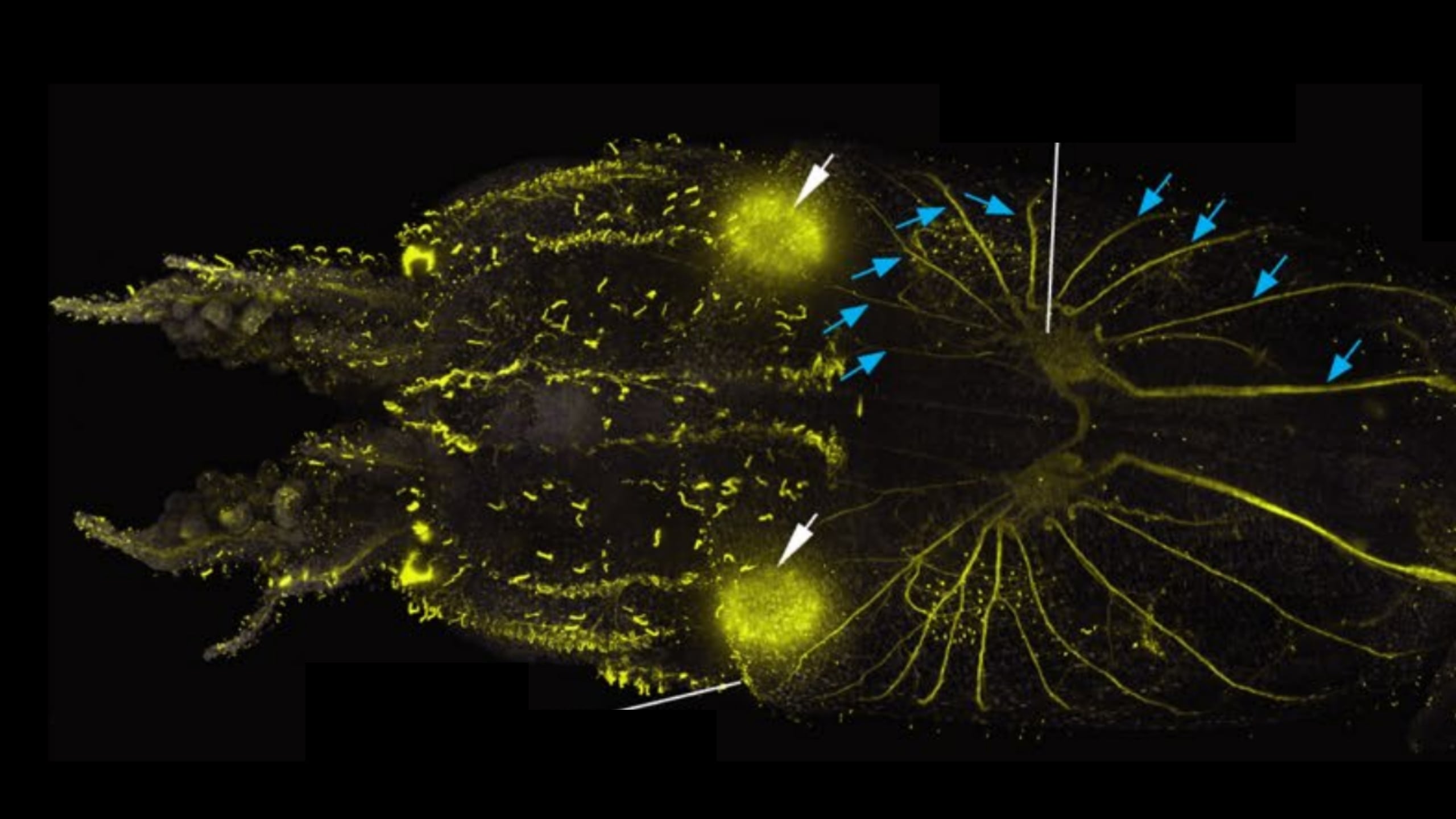
Researchers map hair-like sensory cells across squid bodies

Bellbird and Seriema Among the Loudest Birds Measured

Survey finds only 83 mature cheetahs across a vast area of South Africa

British Columbia rogue wave was nearly three times taller than nearby waves
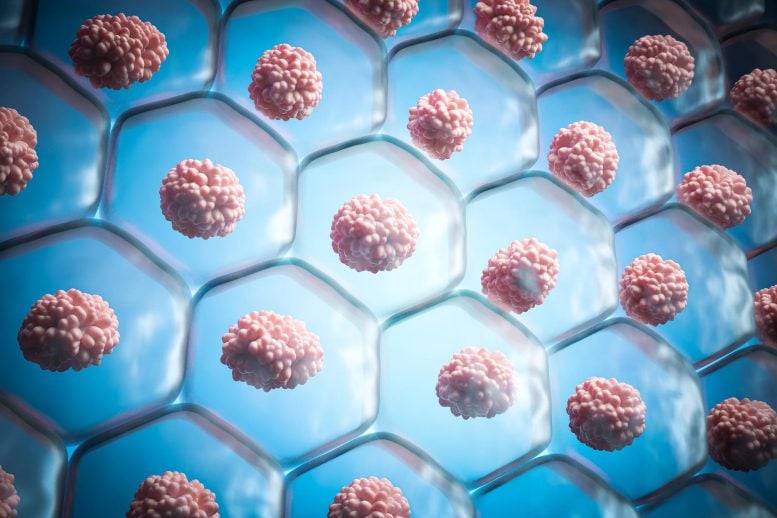
Detached sea cucumber tissue remained active for more than three years
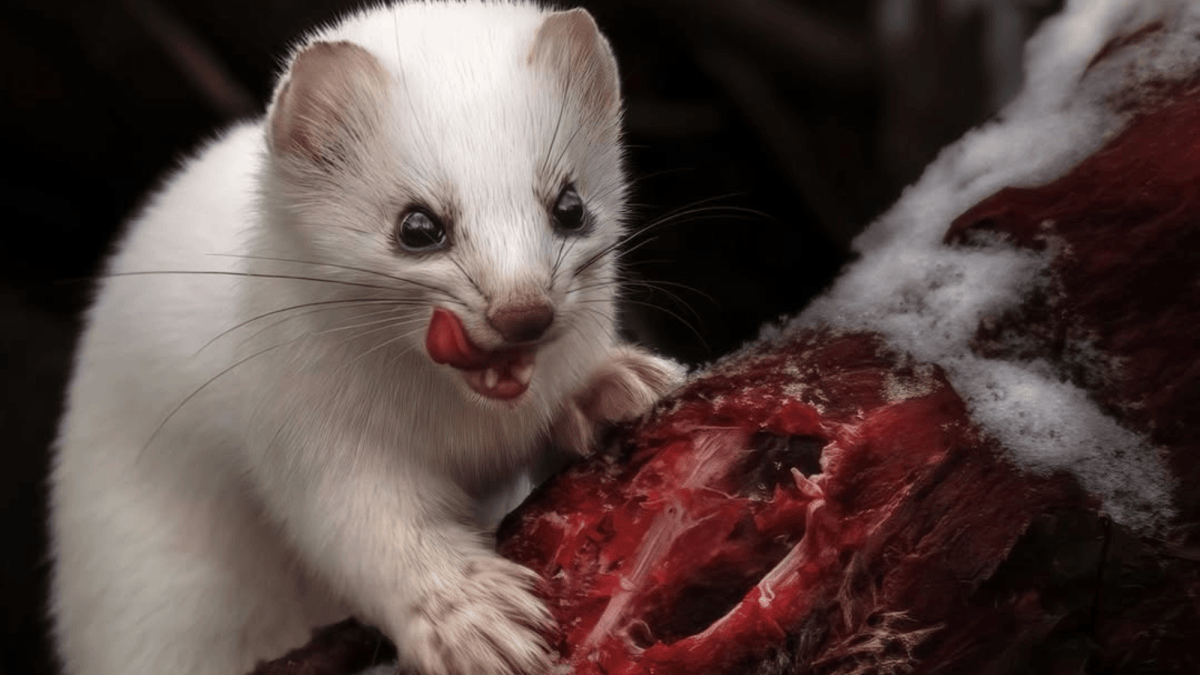
New book examines the survival skills of 75 fierce forms of nature
Researchers confirm a new giant waterlily species in Colombia

Air pollution reaches ‘very poor’ levels in towns near Manaus
Showers and morning fog forecast in parts of Türkiye
Young Puerto Rican parrot rescued from invasive boa
Warm, mostly sunny weather forecast across the Netherlands this week