

Science & Tech · Science & Environment · 2 hrs ago
El Niño and global warming could cause 451,000 additional heat deaths
A study by the University of Chicago’s Climate Impact Lab projects up to 451,000 additional heat-related deaths worldwide from June through February, compared with the average over the past 30 years.
It links the risk to an extreme El Niño adding to temperatures already raised by human-caused global warming.
The study projects global average land temperatures during El Niño could be about 1.2 degrees Celsius higher, with 44 percent more extreme-heat days than in a year without El Niño.
The greatest effects are expected in poorer countries near the equator, including parts of Africa, South and Southeast Asia, and Latin America.
The Sahel in Africa is projected to face about 66,800 additional heat-related deaths; the estimates include 3,500 in the United States and 780 in Italy.
The study says heat-related effects could continue into next summer, even after El Niño is expected to end, while global temperatures keep rising.
It recommends immediate steps such as heat alerts, cooling centers, water stations, protections for outdoor workers, more hospital capacity, and outreach to older people and other groups at risk.

A Climate Impact Lab report projects up to 451,000 additional heat-related deaths worldwide between June and February compared with the average of the previous three decades.
The report links the projected increase to an extreme El Niño amplifying temperatures already raised by human-caused global warming.
It projects global average land temperatures during El Niño could be about 1.2°C higher, with 44 percent more extreme-heat days than in a year without El Niño.
The Sahel is projected to be the hardest-hit region, with about 66,800 additional heat-related deaths.
The report recommends measures including heat alerts, cooling centres, hydration stations and protections for outdoor workers.
- Who
- The Climate Impact Lab at the University of Chicago produced the report; people worldwide could be affected.
- What
- The report projects up to 451,000 additional heat-related deaths.
- When
- Between June and February; the report says impacts could continue into the following summer.
- Where
- Worldwide, with the Sahel projected to be the hardest-hit region.
- Why
- An extreme El Niño is expected to amplify temperatures already elevated by human-caused global warming.
This story does not have two clearly opposing sides.
The report projects up to 451,000 additional heat-related deaths worldwide compared with the average of the previous three decades.
The report says its effects could continue into the following summer.
- Projected additional deaths
- Up to 451,000 worldwide
- Comparison period
- Average of the previous three decades
- Projected land temperature increase
- About 1.2°C
- Projected increase in extreme-heat days
- 44 percent compared with a year without El Niño
- Hardest-hit region
- Sahel, with about 66,800 additional deaths
Sources
Related news

UK seafood recipes narrowed to five main species, study finds

Forecast warns of thunderstorms and flooding in four Saudi regions
Heavy rain and dust expected across parts of Turkey

Fire ant nest found at logistics centre in Sydney’s inner west

China designates protected habitat for Bryde’s whales off Weizhou Island
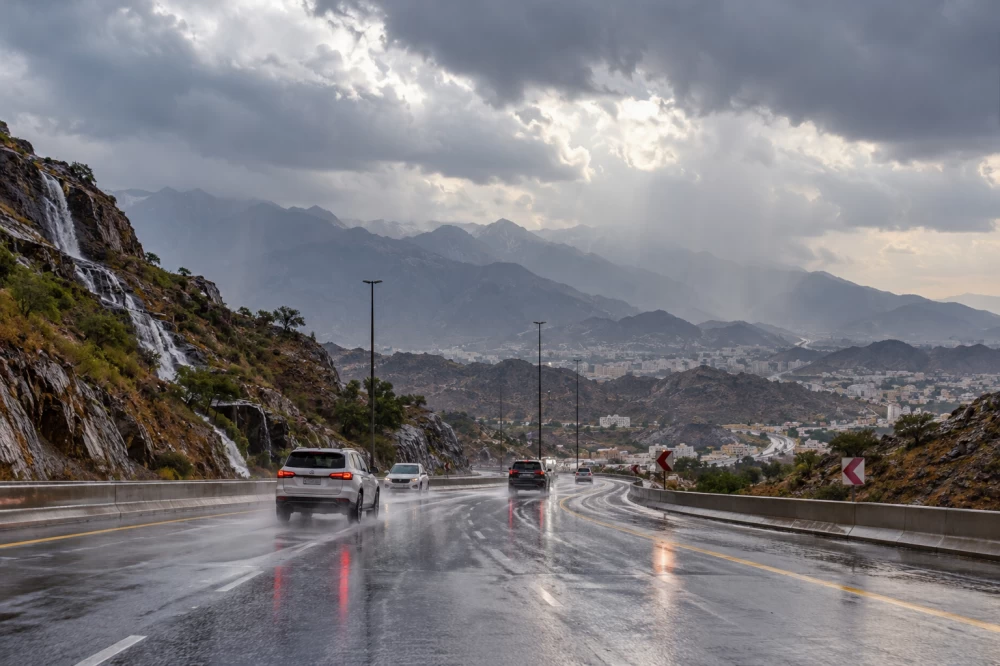
Saudi Arabia forecast calls for thunderstorms, heavy rain and possible flooding

Nobel laureate Kenso Soai named honorary professor at Tokyo University of Science

Jonathan the tortoise’s gene switches may offer clues to long life

Kawasaki Heavy Industries cuts NOx emissions in hydrogen engine test

Study raises concern offshore wind farms could reduce nearby rainfall

Drought affects 97 regions across South Korea
