Politics · Russia · 3 hrs ago
Russia proposes waiving language exams for migrant workers in development zones

Russia’s Interior Ministry proposed waiving exams on Russian, history and law for foreign workers hired by companies in special development zones.
The proposed exemption would apply to workers with permits regardless of their country of origin.
Russia has more than 90 such zones, created to attract investment and support economic growth, and employers there face worker shortages.
Some migrant workers, including certain skilled specialists, already have exemptions from these exams.
The change could make jobs in the zones easier to fill, but experts say the effect on the wider migrant workforce may be limited.
They also warn that workers who cannot understand instructions, warning signs or emergency signals could face greater risks at industrial and construction sites.
The proposal is not yet a rule, and the Interior Ministry has published draft amendments to the law.

Russia’s Interior Ministry has proposed exempting migrant workers hired by residents of advanced development territories from exams on Russian, history and basic law.
The draft amendment would apply to workers with permits regardless of their country of origin.
The ministry says the change is intended to make the territories more attractive for investment and support faster social and economic development.
Experts say the exemption could make hiring easier, but warn that limited Russian skills can create workplace safety risks.
Russia has more than 90 advanced development territories, with over 1,100 residents and 144,000 new jobs, according to Vedomosti.
- Who
- Russia’s Interior Ministry proposed the change. It would affect migrant workers hired by companies that are residents of advanced development territories.
- What
- The proposal would exempt those workers from exams on Russian, Russian history and basic legislation.
- When
- The draft was published on October 12, 2026.
- Where
- Advanced development territories in Russia.
- Why
- The ministry says the exemption would help attract investment and support faster social and economic development.
Supporters of the exemption
Workplace safety advocates
Hiring and investment
Supporters of the exemption
The Interior Ministry says the change would create favourable conditions for investment and economic progress.
Workplace safety advocates
Easier hiring may help employers, but workers need enough Russian to understand safety instructions.
Language requirements
Supporters of the exemption
Some experts say removing the exam would make hiring conditions more equal for different groups of migrant workers.
Workplace safety advocates
Сергей Песков says the exam should be replaced with employer-led adaptation covering basic Russian, workplace safety and residence rules.
This story does not have a timeline yet.
- Territories
- More than 90 advanced development territories in Russia
- Residents
- More than 1,100, according to Vedomosti
- New jobs
- 144,000, according to Vedomosti
- Exemption
- Exams on Russian, history and basic legislation
- Publication
- October 12, 2026
What people are saying
But you cannot have production without any language — this is a direct risk to workplace safety.
Even now, such amendments make sense, as they equalize the conditions for hiring different groups of migrant workers.
The activities of a worker who does not understand briefings, a foreman’s instructions, labels and emergency signals increase the likelihood of injuries and incidents, and the main responsibility for this will fall on the employer.
Sources

Related news

Russian feminist activists shift to practical support as public work faces pressure
Russian Court Raises Exiled YouTuber Michael Nacke’s Sentence to 14 Years
Medvedev says Russia can develop weapons with no global equivalent

Russia plans to require history exams for more university programs

Five sentenced for thefts targeting passengers at Sheremetyevo airport
Andrei Vorobyov discusses robot production in Moscow Region in China
Some Russian pensioners to receive November payments early

Russian lawmaker urges faster rise in minimum wage to 35,000 rubles

Road repairs in Ulan-Ude linked to fewer windshield replacements
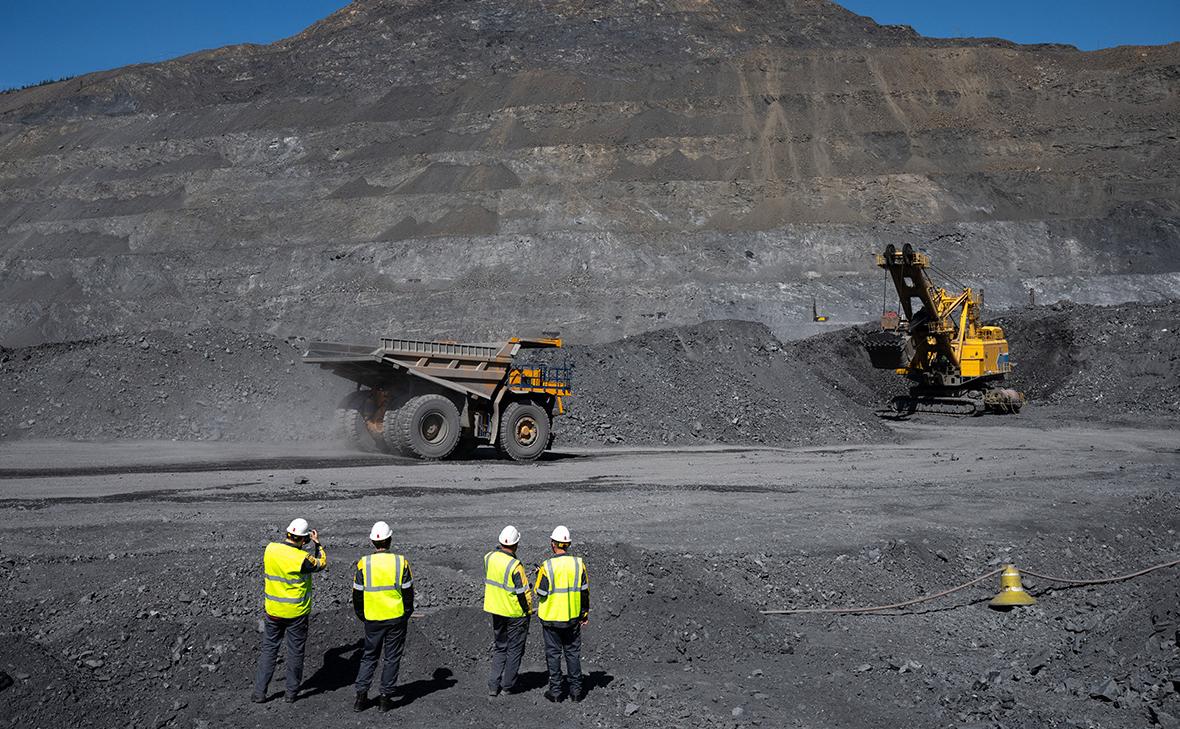
Audit Chamber criticizes lower excess-profits tax rate for gold miners
Russian lawmakers propose tougher penalties for calls for terrorism and unrest