World · Europe · 17 hrs ago
Europe has no common plan for the future of UHF frequencies

The UHF band, covering 470 to 694 MHz, is used in Germany by DVB-T2 television and wireless equipment for media and events.
Mobile networks may also seek access to some of these frequencies, while the military is pressing for more spectrum.
At a 2023 global conference, countries agreed to study whether mobile use could coexist with current users, and European regulators backed mobile as a secondary user.
Secondary users can use a band only with limits and only if they do not disrupt primary users.
The debate matters because radio frequencies are scarce, and broadcasters have already given up spectrum for mobile services during earlier changes.
Europe has no shared plan for how to use the band, and the European Commission says it sees no way to create one.
The EU must settle a position by 2030, ahead of the next global conference in 2031, where the future of terrestrial TV could be affected.

Europe has no common plan for the future use of UHF frequencies, and the European Commission sees no prospect of one.
The 470–694 MHz UHF band is used by terrestrial television and wireless production equipment, while mobile services and the military are also seeking access.
Studies are due to assess by the end of 2030 whether mobile use can coexist with current primary users.
Europe must decide what position to take to the 2031 World Radiocommunication Conference in Singapore.
The decisions could affect the future capacity available to terrestrial television.
- Who
- European countries and the European Commission are discussing the future use of UHF frequencies.
- What
- Europe has no common plan for the band, which is used by terrestrial television and wireless production equipment and is also sought for mobile services.
- When
- A global decision may be considered at the 2031 World Radiocommunication Conference; Europe must find a position by 2030.
- Where
- The UHF band spans 470–694 MHz. The 2031 conference is planned for Singapore.
- Why
- The band is a limited resource, and different users are seeking access to it.
Terrestrial television and production equipment interests
Mobile services
Access to UHF frequencies
Terrestrial television and production equipment interests
Terrestrial television and wireless production equipment are primary users in Germany, and their representatives seek to retain frequencies they already use.
Mobile services
Mobile services could be assigned UHF frequencies as a secondary user, subject to avoiding interference with primary users.
Future capacity
Terrestrial television and production equipment interests
Existing users are concerned they may have to give up capacity in a finite band.
Mobile services
Mobile services are seeking access to UHF frequencies; the source does not state their specific position on the amount of capacity needed.
No direct quotes in the coverage so far.
At the WRC-23, the ITU decided that studies should assess by the end of 2030 whether mobile services can coexist with current primary users in the UHF band.
Technical studies and their evaluation have been under way.
The European Commission published a report summarising discussions about future UHF use.
Europe must find a position to present at the 2031 World Radiocommunication Conference.
The World Radiocommunication Conference is due to meet in Singapore, where the future of UHF use could be considered.
- UHF band
- 470–694 MHz
- Primary users in Germany
- DVB-T2 and wireless production equipment for media and events (PMSE)
- European regulators
- CEPT has 48 member countries
- Mobile as secondary user
- 43 CEPT countries, including Germany, have designated mobile services as a secondary user in the UHF band
- EU position deadline
- 2030
- Next World Radiocommunication Conference
- 2031, Singapore
Sources
Related news

Trump says Russia and Ukraine agreed to energy ceasefire
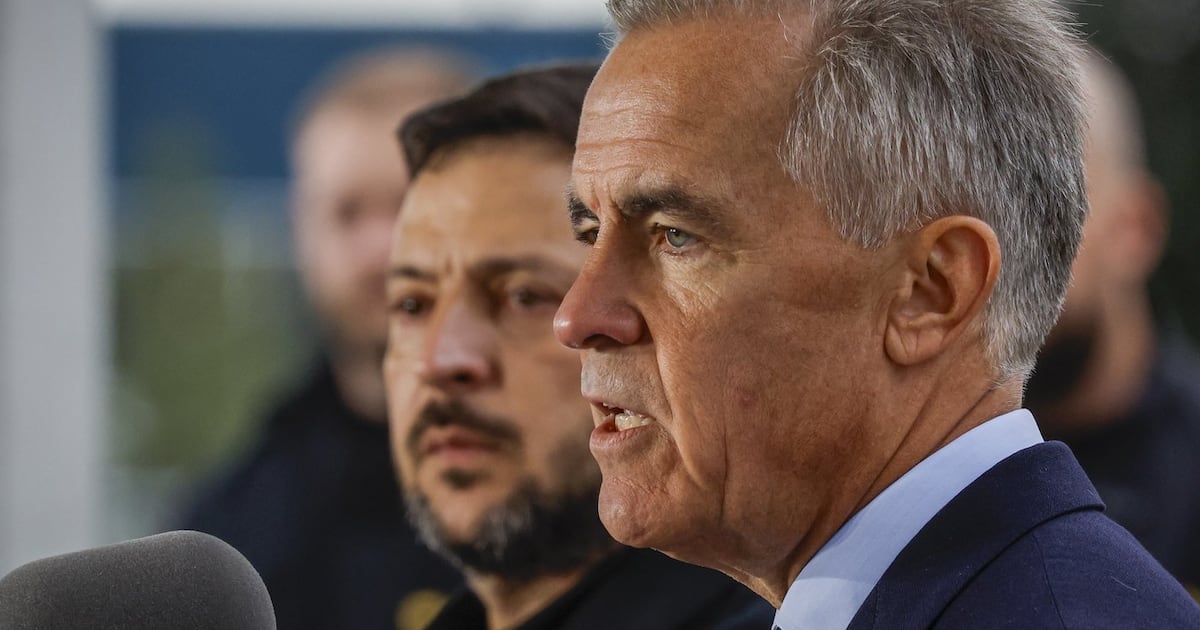
Carney says U.S.-Russia diesel deal undermines efforts to end Ukraine war
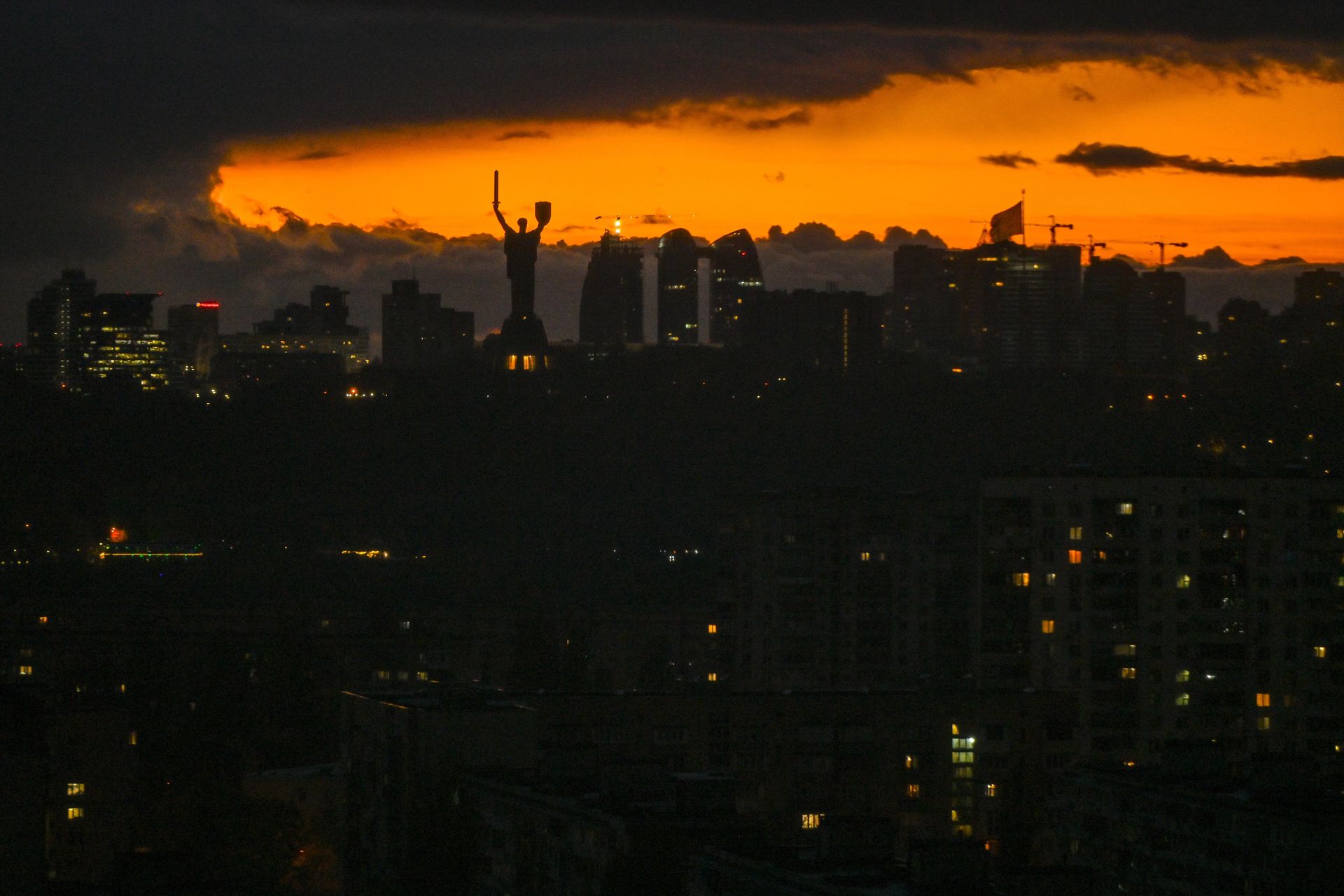
Russian strikes hit Ukrainian energy sites after Trump ceasefire claim
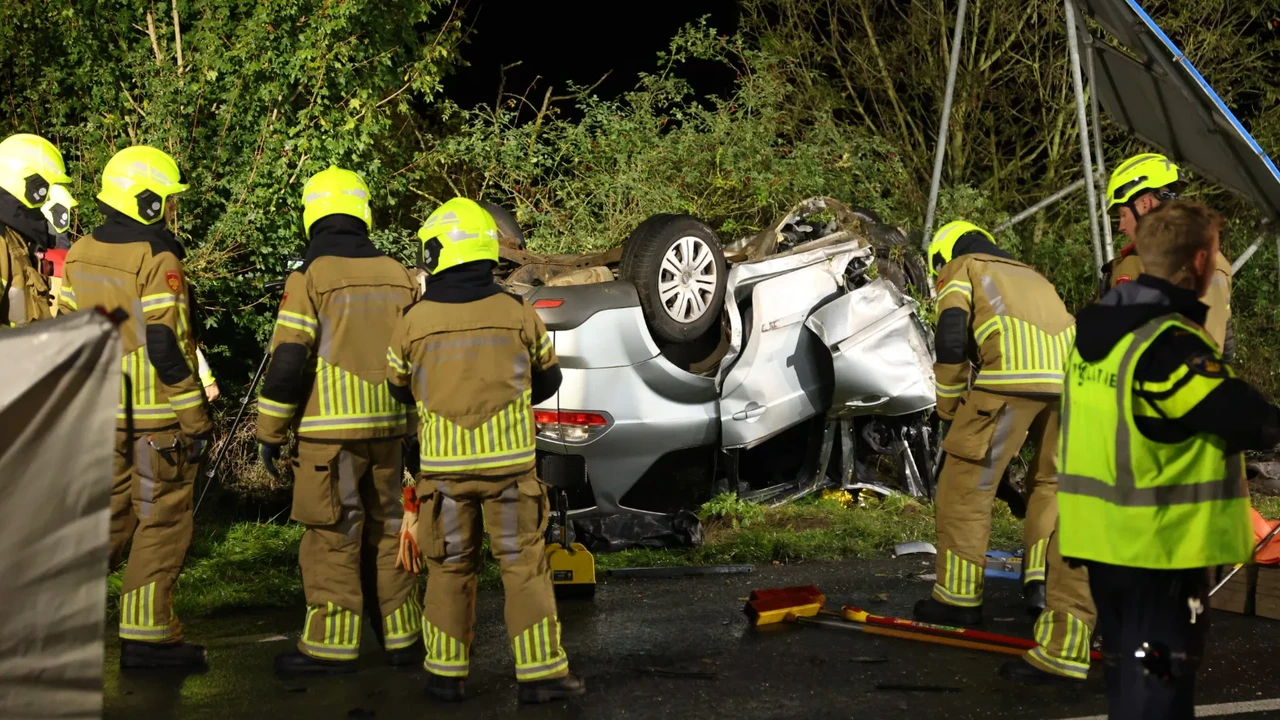
Two people killed and two injured in crash near Kesteren
Russian strike near Kharkiv kills three and injures 25

Experts say Russian diesel deal unlikely to lower US fuel prices
Zelensky says Ukraine can hold elections after a 60-day ceasefire

Trump announces energy ceasefire, but Ukraine says it was not consulted
US reportedly threatens Ukraine weapons procurement over strikes on Russian energy sites

Trump calls for Ukraine to replace Zelenskyy over Russian diesel deal
UK prime minister says Russia interfered in 2016 Brexit vote