

Health · Fitness & Nutrition · 1 hr ago
Study links fitness apps with shame and frustration for some users
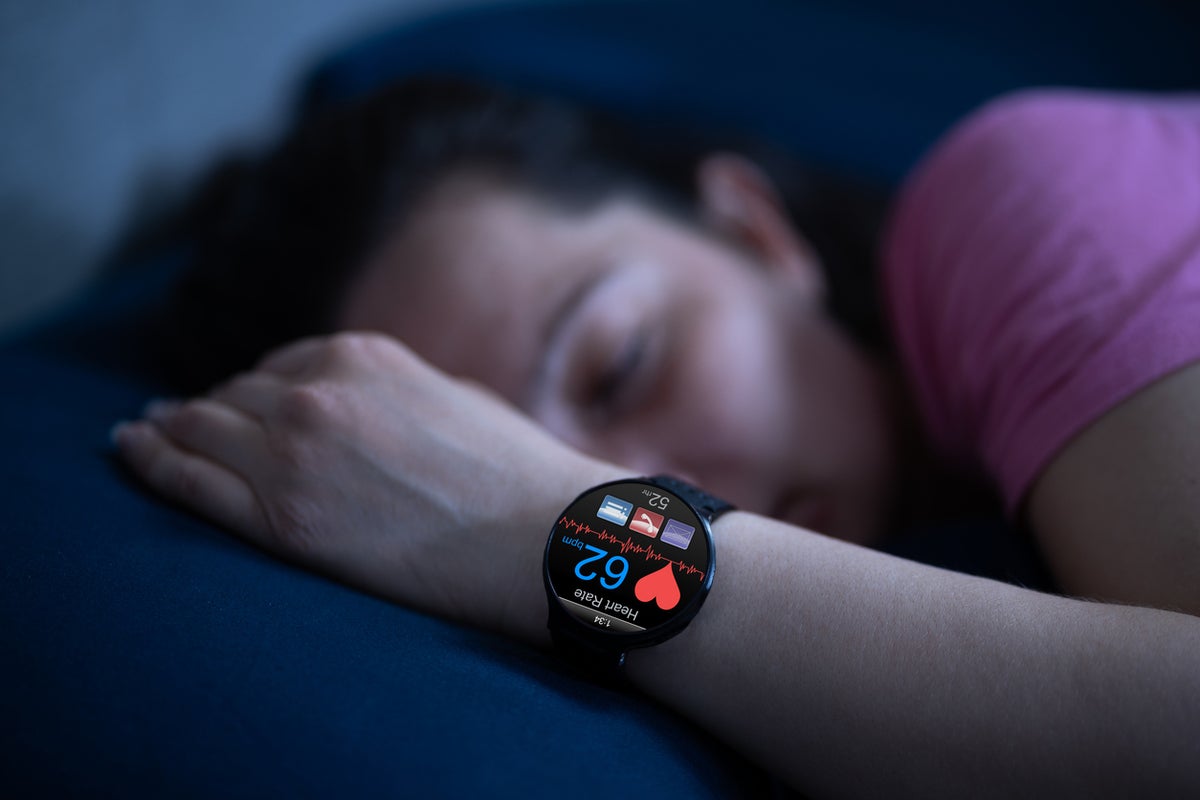
Researchers from University College London and Loughborough University used AI to analyse social media posts about five popular fitness apps.
They identified 58,881 posts about the apps, including 13,799 that expressed negative feelings.
Users described feeling ashamed when logging unhealthy food, irritated by app notifications and disappointed when they missed goals.
Some said they felt demotivated and gave up trying to meet their targets.
The researchers said algorithm-set goals may not account for people’s different circumstances or the unpredictability of daily life.
They called for apps to focus less on strict calorie and exercise targets and more on overall wellbeing.
Because the study looked only at negative posts, the researchers said more work is needed to understand how common these effects are and how apps could better meet users’ needs.

Researchers from University College London and Loughborough University used AI to analyse social media posts about fitness apps.
They identified 58,881 posts about five of the most profitable fitness apps, including 13,799 posts expressing negative sentiment.
Users described shame over logging unhealthy food, irritation at app notifications and disappointment at missing goals.
The researchers said rigid targets may demotivate some users and called for apps to prioritise overall wellbeing.
The study analysed only negative posts, so it could not assess the apps’ overall effects on wellbeing.
- Who
- Researchers from University College London and Loughborough University conducted the study.
- What
- The study found that some users reported shame, irritation and disappointment linked to fitness apps.
- When
- Published on 11 October 2026. The study date is not stated.
- Where
- The research analysed posts on X; the researchers were from universities in the UK.
- Why
- The study examined potential negative psychological effects of fitness apps and how users described their experiences.
This story does not have two clearly opposing sides.
These apps rely on algorithms that do not reflect the flexibility and messiness of real life, or account for individual circumstances and differences.
Instead of very narrow, rigid measures of success relating to amount of weight lost, health apps should prioritise overall wellbeing and focus on intrinsic motivation – ie, the inherent enjoyment or satisfaction in activities.
The apps may have a negative side, but they likely also provide benefits to many people.
Listening to users’ reports on social media has shown that fitness apps can sometimes leave users feeling demoralised and ready to give up – which is the exact opposite of what these tools are supposed to do.
Researchers used AI to analyse 58,881 posts on X about five fitness apps.
Researchers filtered the posts for negative sentiment, leaving 13,799 posts.
- Posts analysed
- 58,881
- Posts with negative sentiment
- 13,799
- Apps covered
- Five of the most profitable fitness applications
- Researchers’ institutions
- University College London and Loughborough University
- Published
- 11 October 2026
Sources
Related news

Planning and portioning freezer foods can make healthy meals quicker

Screen use and poor posture can put added strain on the neck

How prebiotics, probiotics and postbiotics differ

Japan study warns children’s screen time may increase prolonged sitting

Five simple exercises aim to support strength and balance after 50

Hip tightness is not uniquely linked to stress or past trauma

63-Year-Old Says Month of Daily Dead Hangs Improved Mobility and Strength

Dwayne Johnson uses a rice, blueberry and protein shake after training

Keeping sweet potato skin adds fiber and other nutrients

More than 500 cyclists join Hyderabad arthritis awareness ride

Denise Austin suggests adding upper-body exercises to a walking routine
