Health · Fitness & Nutrition · 16 hrs ago
Everyday habits may help reduce the risk of chronic inflammation

Inflammation is the body’s normal response to injury and infection, but it can become harmful when it lasts a long time.
The National Institutes of Health says chronic inflammation can contribute to conditions including rheumatoid arthritis, lupus, inflammatory bowel disease and cardiovascular disease.
Clinical pharmacist Jim LaValle says the gut, immune system and brain interact in ways that can affect inflammation.
He points to stress, food choices, blood sugar levels and exposure to chemicals or other substances in the environment as factors that may play a role.
He also says some medicines, including antibiotics, can change the gut microbiome, though effects vary from person to person.
Paying attention to symptoms after eating certain foods may help identify possible food reactions, but symptoms can have other causes.
Researchers are also studying whether GLP-1 medicines have anti-inflammatory effects beyond their uses for diabetes and obesity.

Chronic inflammation can damage healthy tissues and contribute to diseases including rheumatoid arthritis, lupus, inflammatory bowel disease and cardiovascular disease.
Clinical pharmacist and metabolic medicine expert Jim LaValle says everyday lifestyle factors can influence inflammation.
LaValle recommends managing stress, watching for food triggers and keeping blood sugar in check.
He also says environmental exposures, including microplastics, metals and pesticides, may affect health.
The article notes that some evidence is still emerging and that food-related symptoms can have other causes.
- Who
- Jim LaValle, a clinical pharmacist and metabolic medicine expert based in Texas, discusses ways to manage inflammation.
- What
- The article describes everyday habits and exposures that may influence chronic inflammation.
- When
- Not stated
- Where
- Not stated
- Why
- Chronic inflammation can damage healthy tissues and contribute to serious diseases.
This story does not have two clearly opposing sides.
So, it turns out that if I'm stressed out a lot, I can be more prone to irritable bowel
wreak havoc on your chemistry
This story does not have a timeline yet.
- Expert
- Jim LaValle
- Stress
- Can affect the gut-brain connection and intestinal barrier
- Food triggers
- Bloating, rashes or discomfort may signal a food-related reaction
- Blood sugar
- Diabetes and insulin resistance are often associated with chronic inflammation
- Environmental exposures
- Microplastics, metals and pesticides are among exposures LaValle discussed
Sources
Related news

About 7,000 daily steps can bring major health benefits, study finds

Heavy drinking by men adds to partners’ unpaid care work, study finds

Experts recommend sardines for nutrients linked to brain and bone health

Survey links sports club membership with physical strength
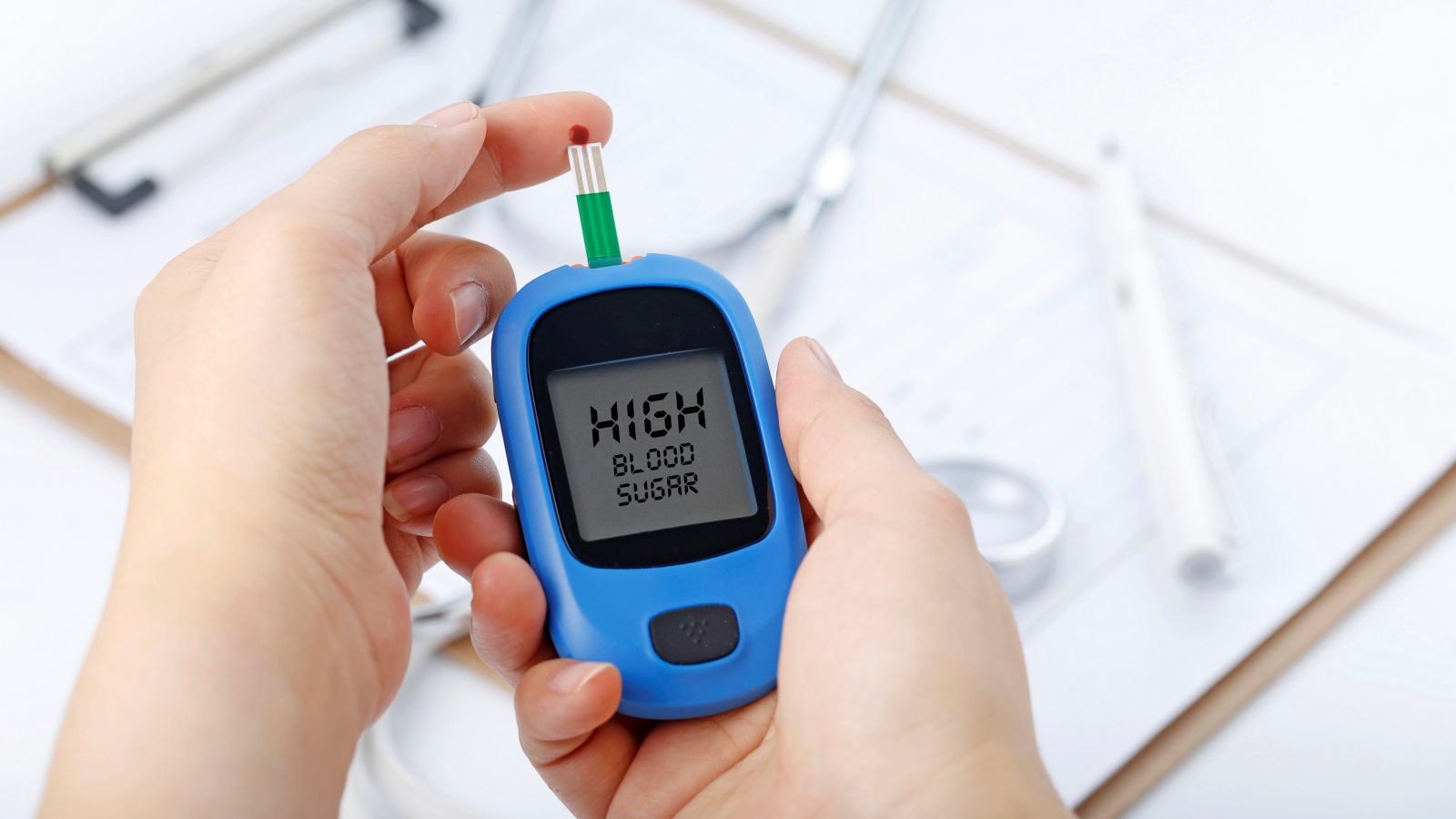
A blood sugar reading of 278 mg/dL is high and should be rechecked

Japanese study links enclosed streetscapes with better sleep

Stress reactions can develop into fractures in runners
Peanuts or pistachios: Which is better for your health?

Japan study warns children’s screen time may increase prolonged sitting

Study links fitness apps with shame and frustration for some users

Experts highlight a snack option for supporting muscle growth