Health · Fitness & Nutrition · 1 day ago
Schools can include children with brittle bone disease with individual care

Osteogenesis imperfecta is a genetic condition that makes bones fragile and can cause fractures after minor injuries.
Its effects vary, so doctors say each child’s physical activities should be considered individually.
In Nova Iguaçu, 14-year-old Arthur Pereira Guarnier takes part in physical education by refereeing football rather than doing strenuous exercise.
He also uses a wheelchair to travel to school for safety and receives classroom materials in a format that is easier for him to use.
Fractures and medical care can keep children away from school, sometimes causing them to miss lessons.
Families and specialists say schools should discuss safety and adaptations with students and their families, rather than excluding children from activities.
The story also describes families’ concerns that limited understanding among school staff can make it harder for children with the condition to attend and participate.

Children with osteogenesis imperfecta (OI), a genetic condition that makes bones fragile, can take part in school activities when precautions are tailored to their needs.
Fourteen-year-old Arthur Pereira Guarnier, who has had 32 fractures, referees football during physical education rather than taking part in strenuous exercises, following his orthopedist’s advice.
Geneticist Juan Llerena recommends assessing physical activities individually, starting cautiously with team sports and increasing participation gradually.
Fractures, appointments and surgeries can interrupt schooling: in a 2024 qualitative study, six of 10 young people with OI reported missing lessons or falling behind.
Families and specialists say schools should discuss support with students and families, while avoiding unnecessary separation or treating children only as patients.
- Who
- Children and adolescents with osteogenesis imperfecta, including Arthur Pereira Guarnier
- What
- How children with OI can participate in school and physical activities with appropriate precautions and support
- When
- Published October 10, 2026
- Where
- Brazil
- Why
- To support participation and learning while accounting for the risk of fractures and each child’s individual needs
This story does not have two clearly opposing sides.
A escola não é clínica.
Geralmente, para eles, proteger é excluir. É deixar a criança num canto porque ali ela está segura
Além de eu saber que sou diferente, isso fica mais visível quando a gente é separado do ambiente em que todo mundo está.
This story does not have a timeline yet.
- Arthur’s age
- 14
- Arthur’s reported fractures
- 32
- Estimated frequency cited in a 2022 health ministry protocol
- One case per 10,000 to 20,000 births
- Young people with OI in the 2024 study who reported missed content or falling behind
- 6 of 10
- Study participants
- 10 children and adolescents with OI and 12 caregivers
Sources
Related news
Study links fitness apps with shame and frustration for some users

Planning and portioning freezer foods can make healthy meals quicker

Screen use and poor posture can put added strain on the neck

How prebiotics, probiotics and postbiotics differ
Five simple exercises aim to support strength and balance after 50

Japan study warns children’s screen time may increase prolonged sitting
Hip tightness is not uniquely linked to stress or past trauma

63-Year-Old Says Month of Daily Dead Hangs Improved Mobility and Strength
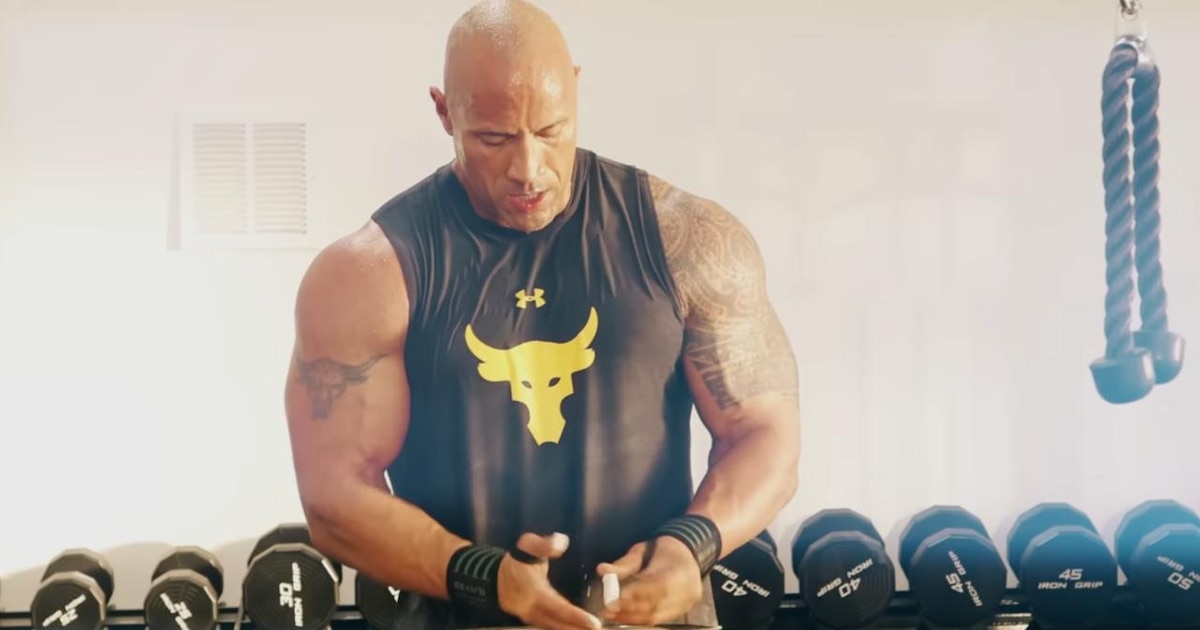
Dwayne Johnson uses a rice, blueberry and protein shake after training
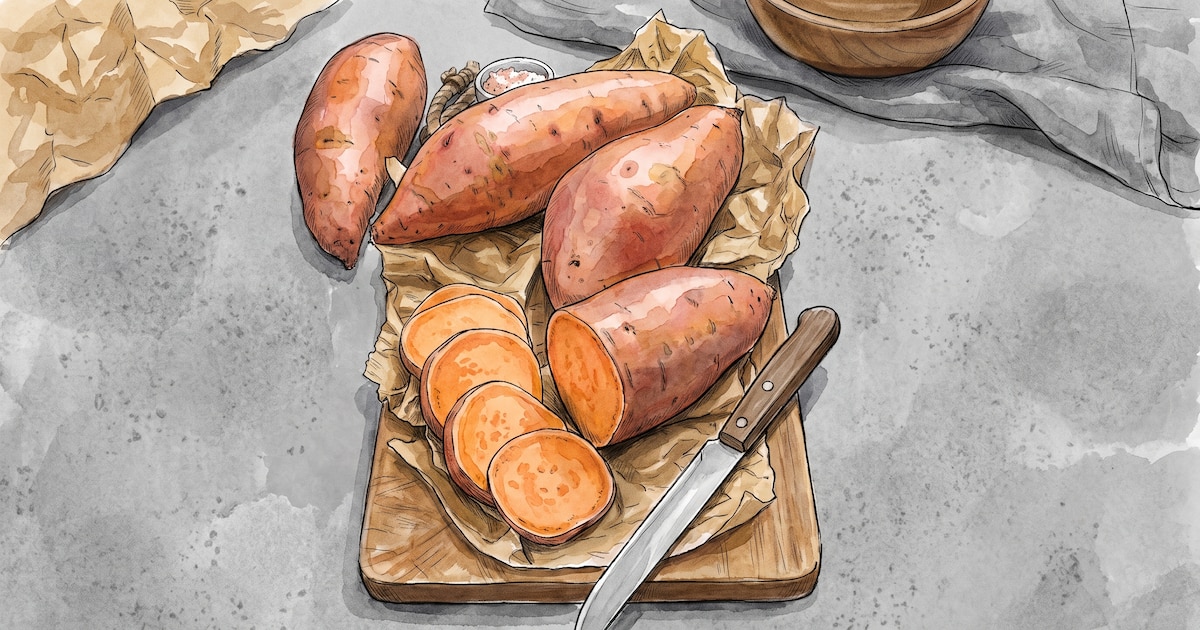
Keeping sweet potato skin adds fiber and other nutrients

More than 500 cyclists join Hyderabad arthritis awareness ride