

Science & Tech · Science & Environment · 5 hrs ago
Cover crops and perennial plants could help farms withstand El Niño extremes
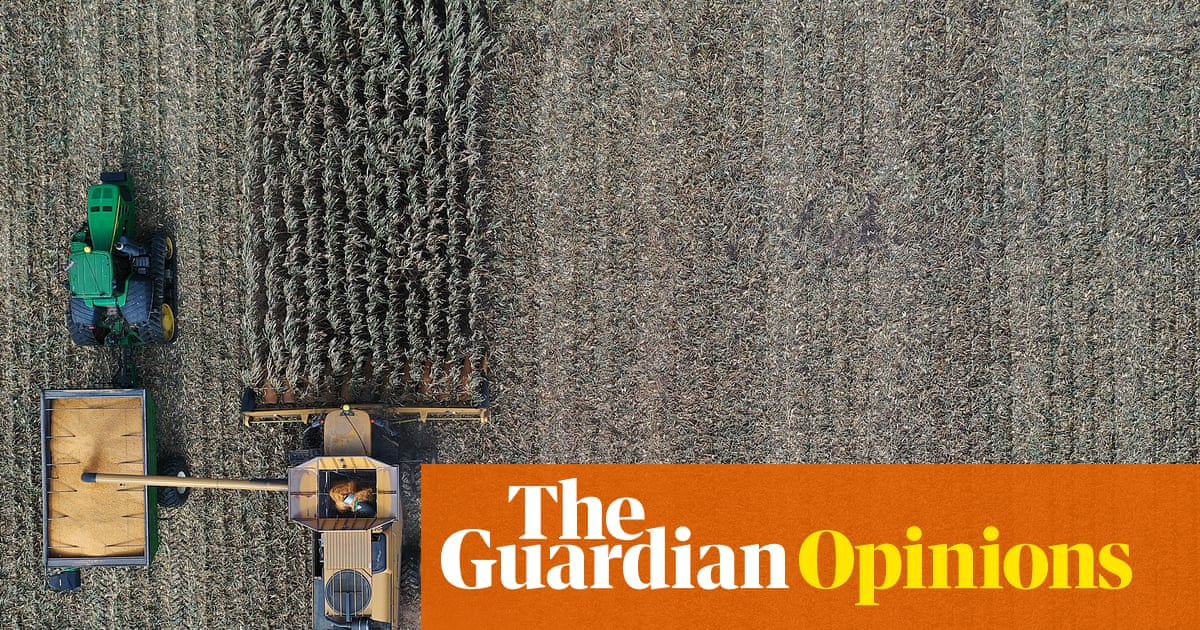
Forecasters warn that this year’s El Niño could become the strongest on record.
El Niño can bring severe weather that threatens crops, especially in Central and South America, the Caribbean and southern Africa; parts of the United States could also face crop losses.
The southern half of the US may see heavy rain this winter, while drought is another risk for farms.
Farms with more carbon-rich organic matter in their soil can absorb and hold more water.
One way to build that soil is to keep roots in the ground year-round, by planting cover crops between growing seasons or growing perennial plants that last for years.
Research cited in the story found these practices can help water enter the soil, make more moisture available to crops during drought and reduce runoff and flooding.
But US crop insurance favors common crops such as corn, soybeans, wheat and cotton, which can make it harder for farmers to adopt alternatives that may reduce long-term risk but cut short-term income.

Forecasters warn that this year’s El Niño could become the strongest on record, raising concerns about agriculture and food security.
Cover crops and perennial plants can keep roots in the ground year-round and help soil absorb and retain water.
Research cited in the article found these practices made 16% more water available to plants during drought.
They can also increase rainwater infiltration and reduce runoff and flooding.
The article says US crop insurance incentives favor common commodity crops, which can make alternatives a short-term financial risk for farmers.
- Who
- Farmers facing weather extremes, particularly in the United States.
- What
- Cover crops and perennial plants could help farms manage drought and heavy rain by improving soil water absorption and retention.
- When
- This year’s El Niño is forecast to bring possible extremes; heavy rain is predicted across the southern half of the US this winter.
- Where
- The United States, with particular concern for its southern half.
- Why
- Keeping roots in the ground can improve soil structure, help water move through the soil and reduce runoff.
This story does not have two clearly opposing sides.
The secret is that they have gradually built up the carbon-rich organic matter in their soil, which allows the land to soak up and hold moisture like a sponge.
Liz Carlisle says she visited farms that had built up soil organic matter and weathered extremes.
Forecasters predict heavy rains could affect the entire southern half of the US.
- Soil water availability
- 16% more water available to plants during drought when farmers use cover crops or perennials
- Soil structure
- 8% more space between soil particles
- Rain infiltration
- Cover crops can increase infiltration by 35%; perennials by 59%
- Iowa prairie strips
- Researchers found they reduced sediment loss by 95%
- Iowa cropland scenario
- Perennials or cover crops on one-third of cropland could reduce runoff and flood frequency by one-fifth in particularly wet years
Sources
Related news

Debate over Monte Verde reopens questions about the first Americans

Africa’s solar installations set a record as official data misses much of the growth

Elephant remains reveal a wetland and woodland habitat in ancient Israel

Northeast monsoon likely to begin over southern India within days

Hyderabad workshop discusses how to make science easier to understand
São Paulo’s century-old underground power network limits weather exposure

Quantum computer demonstrates repeated checks and resets to control errors

MIT team develops flexible sheet that can track surface movement

Srisailam Dam Project earns place in World Book of Records
Farm scientists urge paddy crop holiday as El Niño threatens water supplies
New sugarcane variety sells out in five minutes in Uttar Pradesh
