

World · Africa · 21 hrs ago
African-led UN resolutions renew debate on history and global influence
African countries won support at the United Nations for two resolutions that put the continent’s history and place in global affairs back in focus.
In March, a resolution recognized the transatlantic slave trade as “the gravest crime against humanity.”
On September 4, another called for replacing maps based on the Mercator projection, which distorts Africa’s size.
Both initiatives received broad approval, but the map resolution is non-binding.
The African Union, Ghana, Togo and the African Group at the UN helped lead the efforts and build support.
The resolutions have renewed diplomatic debate about reparations for slavery and colonization, but they do not themselves secure reparations or change how international institutions work.
Researcher Paul-Simon Handy says African leaders should now seek greater influence in areas such as UN Security Council reform, international taxation and climate issues.

The African Group secured UN support for two resolutions that have renewed debate about slavery, reparations and Africa’s place in the international order.
In March, the transatlantic slave trade was recognized as “the gravest crime against humanity.”
On September 4, the UN adopted the “Correct the Map” resolution, which calls for replacing maps based on the Mercator projection.
Both initiatives received broad approval but are non-binding.
Researcher Paul-Simon Handy said African diplomacy must turn these symbolic gains into political and economic influence.
- Who
- The African Group at the United Nations, with the African Union, Ghana and Togo leading the initiatives.
- What
- The UN backed resolutions recognizing the transatlantic slave trade and calling for maps that do not distort Africa’s size.
- When
- One resolution was recognized in March; the “Correct the Map” resolution was adopted on September 4. The year is not stated.
- Where
- At the United Nations.
- Why
- The initiatives seek to address how the past is understood and Africa’s position in the global order, including debate about reparations.
This story does not have two clearly opposing sides.
Africa succeeded in correcting the map; it must now be able to reshape international institutions and its own place within the global system
Africa is no longer simply reacting to proposals put forward by other powers, whether Western, Chinese or Russian.
The transatlantic slave trade was recognized as “the gravest crime against humanity.
The African Group secured UN support for the “Correct the Map” resolution.
- Recognition
- The transatlantic slave trade described as “the gravest crime against humanity
- Map resolution
- Correct the Map
- Date
- September 4
- Projection addressed
- Mercator projection
- Interviewee
- Paul-Simon Handy, East Africa regional director of the Institute for Security Studies
Sources
Related news
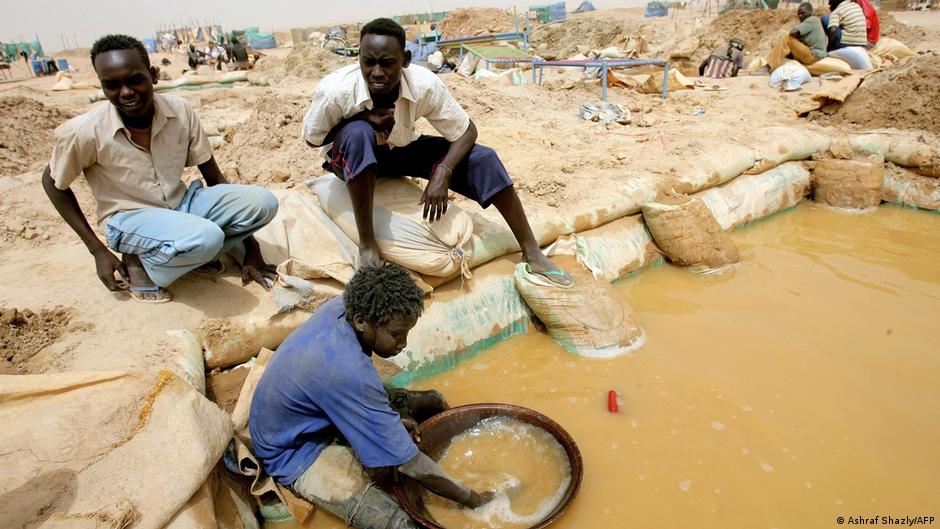
At least 72 miners killed in air strikes in northern Sudan, rights group says

At least 109 dead after migrant boat capsizes off Djibouti
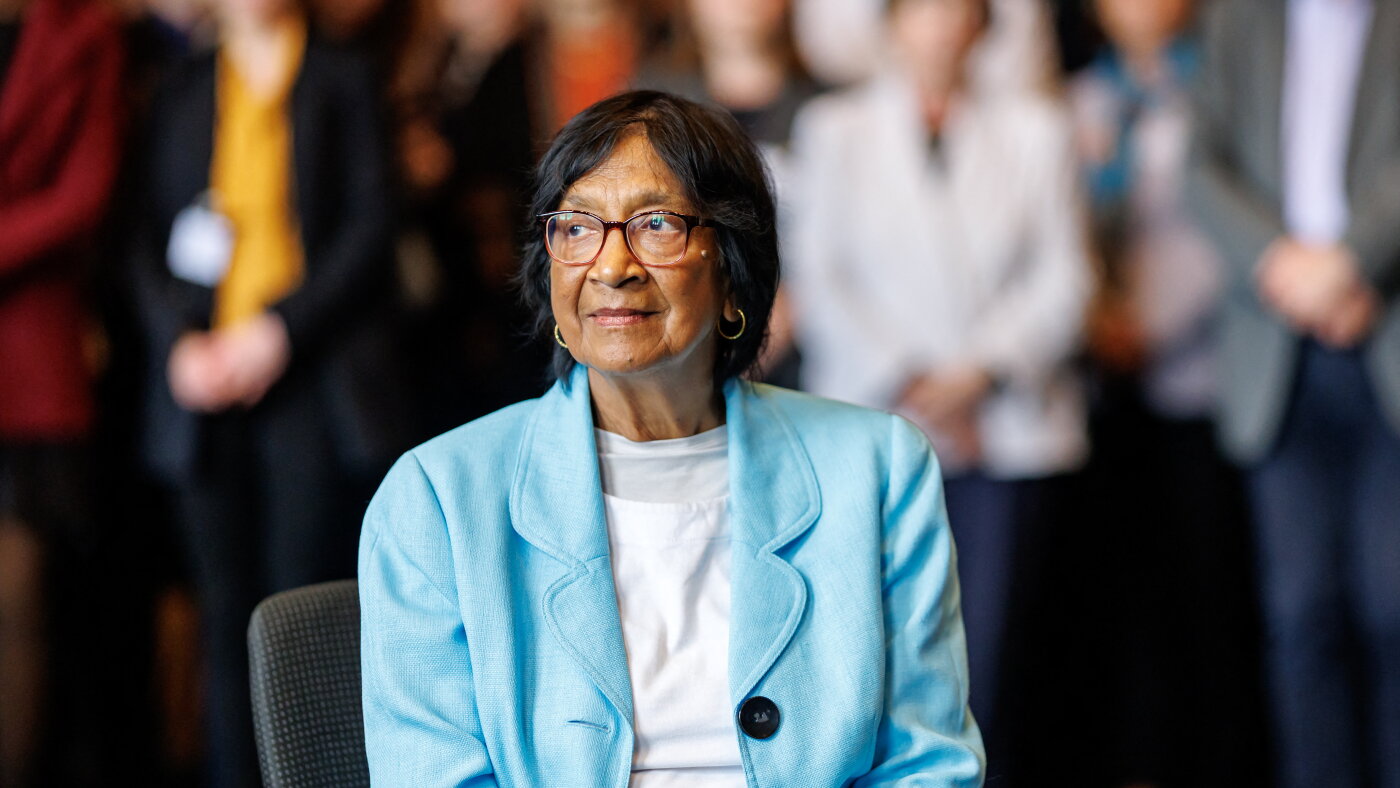
Navi Pillay wins Nobel Peace Prize for work on peace and international law
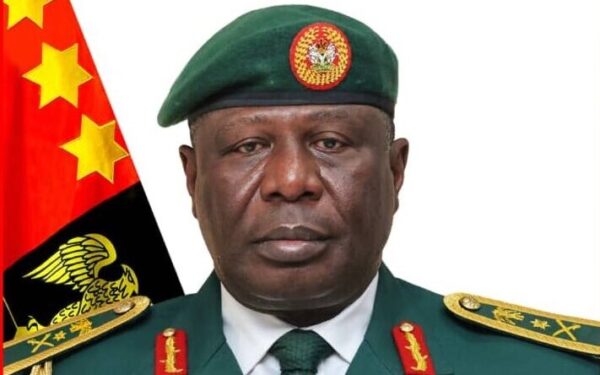
Nigeria extends space-based intelligence support to military operations
Navi Pillay wins Nobel Peace Prize for work promoting international law

At least 139 dead after migrant boat capsizes off Djibouti

Rights monitor says strike killed at least 72 Sudanese miners
Nobel laureate Navi Pillay condemns US sanctions on International Criminal Court

Drone strike on displaced people’s camp in Sudan kills 41, rights group says

Ambush in eastern Congo leaves at least 20 Vectus team members dead or wounded

Ethiopia and Eritrea trade accusations as tensions rise in Tigray