

World · Africa · 20 hrs ago
Nobel laureate Navi Pillay condemns US sanctions on International Criminal Court
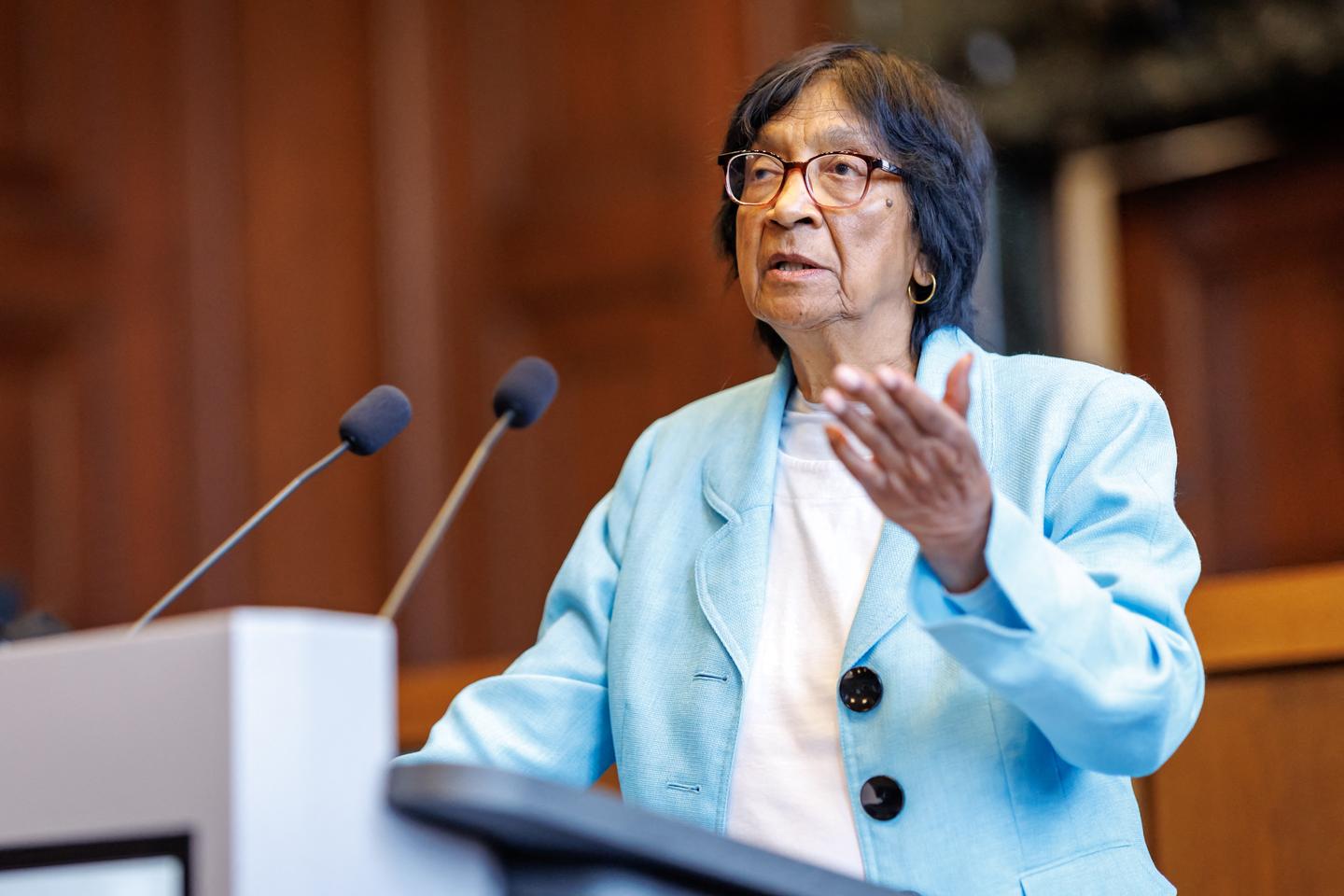
Navi Pillay, a South African former judge of the International Criminal Court (ICC), was awarded this year’s Nobel Peace Prize on Friday.
The next day, she condemned new US sanctions against the court, calling them “unheard of” and “unacceptable.”
The ICC, based in The Hague, prosecutes people for serious international crimes and has issued warrants for Israeli officials, including Prime Minister Benjamin Netanyahu.
The Trump administration says the court threatens US sovereignty and objects to its past investigation of US soldiers in Afghanistan, which has since closed.
The new measures target the ICC as an institution and include a ban on US entities making transactions with it, which could limit its ability to operate financially.
Some sanctions have a six-month grace period to give countries time to negotiate with the United States.
The ICC and the United Nations have criticised the move, while several countries, including the UK, France and Germany, have said they oppose it.

Nobel Peace Prize laureate Navi Pillay condemned new US sanctions against the International Criminal Court as “unheard of” and “unacceptable.”
The United States announced sanctions against the court hours after Pillay was named this year’s Nobel Peace Prize winner.
The measures target the ICC as an institution and are intended to limit its ability to operate financially.
The ICC and UN Secretary-General Antonio Guterres said the sanctions threaten international law and justice.
Several countries, including the UK, Canada, France and Germany, said they regretted and strongly disagreed with the sanctions.
- Who
- Navi Pillay, this year’s Nobel Peace Prize laureate and a former ICC judge, condemned the sanctions.
- What
- The United States announced new sanctions against the International Criminal Court.
- When
- The sanctions were announced hours after Pillay was named the Nobel laureate; she spoke on Saturday, October 10.
- Where
- The remarks were made via video link at an event at the Nobel Peace Center in Oslo. The ICC is in The Hague.
- Why
- Washington says the measures defend US sovereignty and respond to the court’s actions involving Americans; it accuses the ICC of seeking to prosecute Americans.
United States government
International Criminal Court and its supporters
Purpose of sanctions
United States government
The measures are intended to defend US sovereignty and address US concerns about the court.
International Criminal Court and its supporters
The sanctions are an assault on the rule of law and the foundations of the international legal order.
ICC’s role
United States government
The Trump administration describes the ICC as a “rogue” institution that threatens American sovereignty.
International Criminal Court and its supporters
The ICC says the sanctions attack international law; Pillay said targeting judges for their judicial orders was unacceptable.
Response
United States government
Washington says a six-month grace period will allow countries time to negotiate a solution.
International Criminal Court and its supporters
Guterres called the decision a serious blow to international criminal justice, and several countries said they strongly disagreed with it.
Most importantly, sanctions have been announced by one country against the judges, just for the judicial orders they issue. This is unheard of, unacceptable.
a serious blow to our collective pursuit of international criminal justice, of which the ICC is a key pillar
history will judge this moment.
defend US sovereignty
The Norwegian Nobel Committee announced that Navi Pillay had won this year’s Nobel Peace Prize.
The United States announced new sanctions against the ICC.
Pillay condemned the sanctions via video link during an event at the Nobel Peace Center in Oslo.
- Nobel laureate
- Navi Pillay
- Sanctions target
- International Criminal Court
- US Secretary of State
- Marco Rubio
- Grace period
- Six months before some sanctions take effect
- Pillay’s UN human rights role
- High commissioner from 2008 to 2014
Sources

Related news

At least 109 dead after migrant boat capsizes off Djibouti

Rights monitor says strike killed at least 72 Sudanese miners

At least 139 dead after migrant boat capsizes off Djibouti
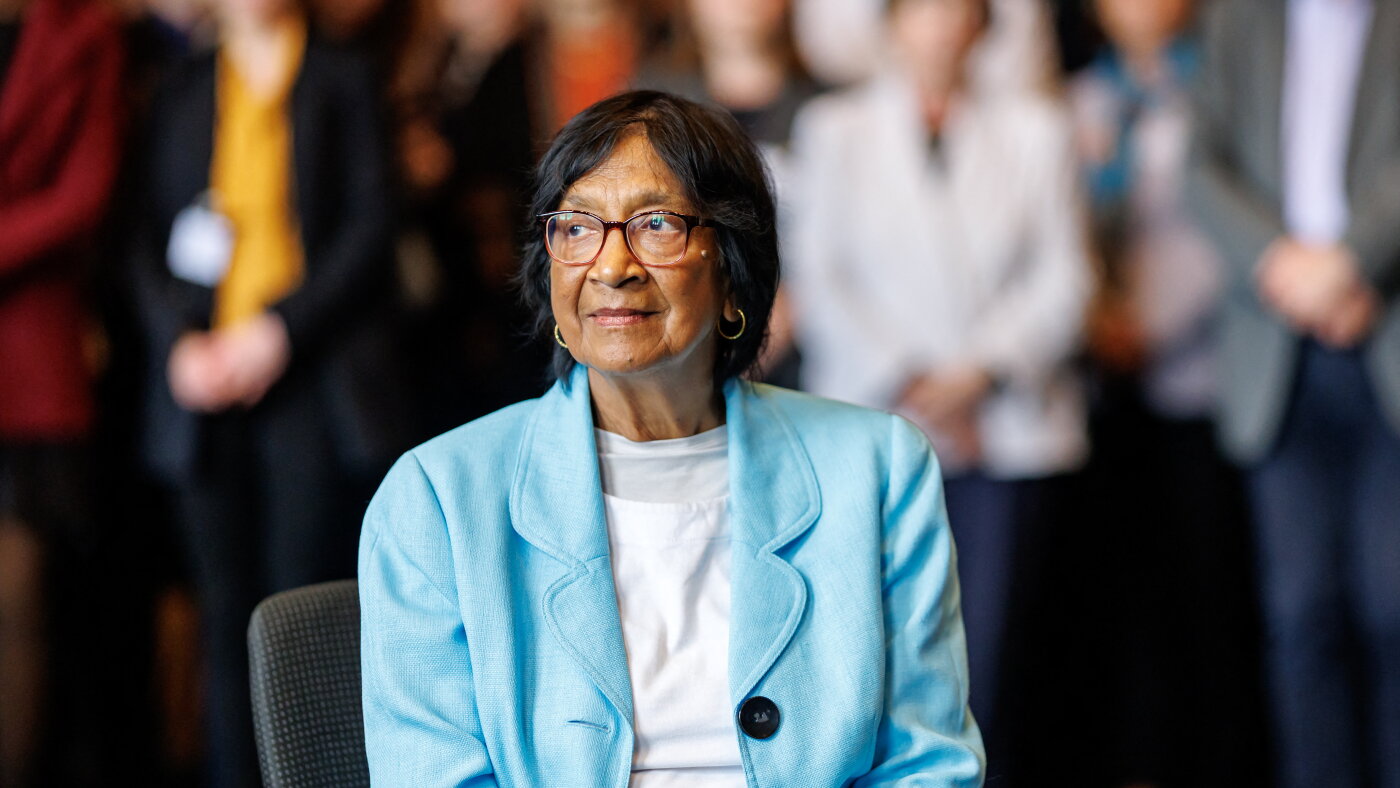
Navi Pillay wins Nobel Peace Prize for work on peace and international law
Navi Pillay wins Nobel Peace Prize for work promoting international law
Airstrike kills at least 13 gold miners near Sudan-Egypt border

Ian Berry, photographer who documented the Sharpeville massacre, dies aged 92

Drone strike on displaced people’s camp in Sudan kills 41, rights group says

Ambush in eastern Congo leaves at least 20 Vectus team members dead or wounded

Ethiopia and Eritrea trade accusations as tensions rise in Tigray
Ethiopian adviser promises change after government-allied forces retake Mekelle