Science & Tech · Science & Environment · 9 hrs ago
Researchers propose healthy aging shifts the brain from detail to meaning
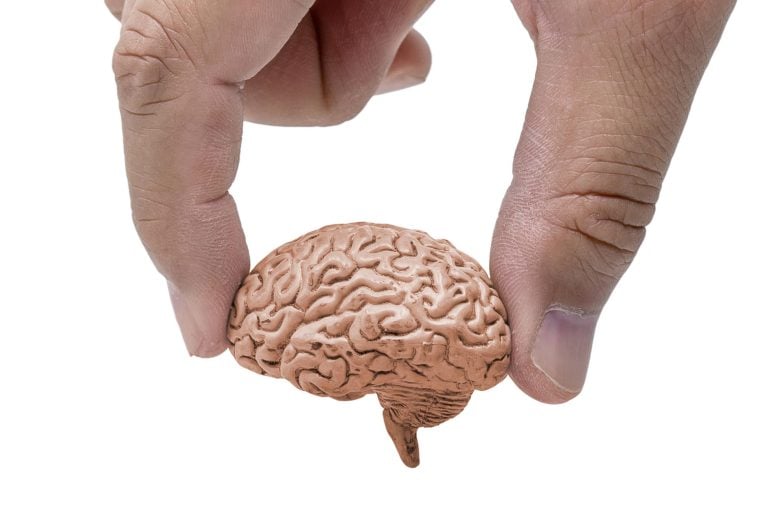
Researchers at the University of Arizona propose that healthy brain aging is not simply decline.
Their hypothesis is that the brain gradually relies less on precise details and more on accumulated knowledge, broad meaning and experience.
They say this shift involves a change in the balance between the hippocampus, which helps form detailed memories, and the frontal cortex, which helps organize concepts.
The researchers suggest that this pattern differs from Alzheimer’s disease, which involves pathological processes such as amyloid and tau.
If the hypothesis is correct, later life may bring strengths in judgment, teaching, mentoring and sharing knowledge across generations.
The researchers say this view could help people recognize the value of older adults’ experience rather than judging their abilities only by measures that favor younger brains.

Researchers at the University of Arizona propose that healthy brain aging shifts cognitive priorities from precise details toward meaning, knowledge and experience.
They call this idea the adaptive aging hypothesis and say later life may be a distinct developmental stage rather than simply decline.
The researchers suggest the shift may support teaching, mentoring, judgment and the transfer of knowledge across generations.
They say normal aging and Alzheimer’s disease involve different underlying processes, despite both affecting memory.
The framework is based on evidence from molecular biology, neuroimaging, human studies and animal models.
- Who
- Researchers from the University of Arizona, including study coauthor Fabian-Xosé Fernandez.
- What
- They propose that healthy aging shifts the brain’s priorities from precise details toward meaning, accumulated knowledge and experience.
- When
- The research paper was published on 3 September 2026; SciTechDaily published its article on 11 October 2026.
- Where
- University of Arizona.
- Why
- The researchers propose that this shift reflects an adaptive change in cognitive priorities and helps explain how older adults use experience and knowledge.
This story does not have two clearly opposing sides.
If we look at normative aging as a story of just decline, we are really missing the boat
The older brain is optimized for different things than the younger brain, predominantly the sharing of stored expertise and social relationships.
They are completely different.
The paper “Aging as a Continuation of Development: A Hypothesis and Framework” was published in Perspectives on Psychological Science.
SciTechDaily published an article about the researchers’ adaptive aging hypothesis.
- Research institution
- University of Arizona
- Hypothesis
- Adaptive aging hypothesis
- Paper title
- Aging as a Continuation of Development: A Hypothesis and Framework
- Paper publication date
- 3 September 2026
- Journal
- Perspectives on Psychological Science
Sources
Related news
Researchers map hair-like sensory cells across squid bodies

Bellbird and Seriema Among the Loudest Birds Measured

Survey finds only 83 mature cheetahs across a vast area of South Africa

British Columbia rogue wave was nearly three times taller than nearby waves

Detached sea cucumber tissue remained active for more than three years

New book examines the survival skills of 75 fierce forms of nature

Air pollution reaches ‘very poor’ levels in towns near Manaus

Young Puerto Rican parrot rescued from invasive boa

Warm, mostly sunny weather forecast across the Netherlands this week

Researchers confirm a new giant waterlily species in Colombia

Amazonas fires rise 271% in the first 10 days of October