Health · Public Health & Disease · 22 hrs ago
Assessment warns AI misuse and nuclear conflict could threaten humanity by 2100
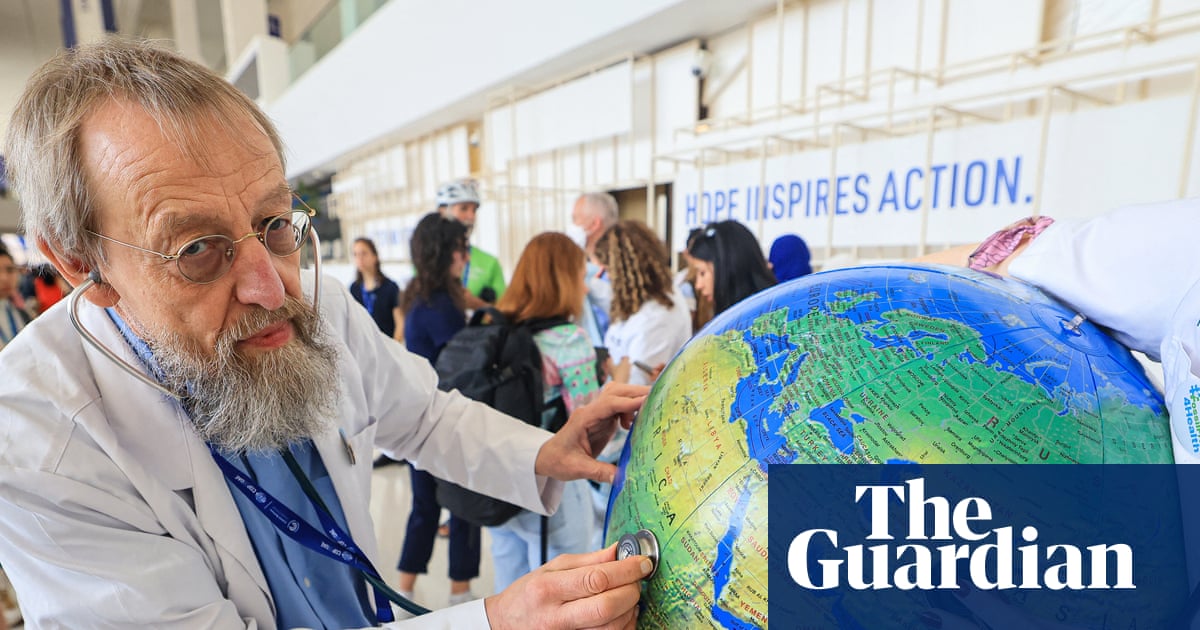
A global health commission says malicious use of artificial intelligence and nuclear conflict could pose risks of human extinction over the next 75 years.
The assessment, by 35 experts, identifies 17 major threats to human health, including climate change, air pollution, child malnutrition and cuts to international aid.
The risks are considered alongside their possible effects on years of healthy life lost through illness, disability or early death.
The experts say the threats interact, so action on one can affect others.
The scale of health risks differs by region: non-communicable diseases are prominent in higher-income regions, while low educational attainment is a major concern in lower-income regions.
The commission says solutions are possible, and estimates that limiting global heating could prevent 1.89 billion years of healthy life being lost.
It plans to update its assessment annually as new data and hazards emerge.

A Lancet Commission assessment says malicious use of artificial intelligence and nuclear conflict could pose extinction risks over the next 75 years.
The assessment identifies 17 major threats to human health, including climate breakdown, childhood malnutrition and cuts to international aid.
The commission says the threats interact and should be addressed together, while stressing that there are ways to act on each.
Its analysis estimates that steep reductions in international health aid could cause up to 1.5 billion disability-adjusted life years to be lost before 2100.
The assessment is due to be shared at the World Health Summit in Berlin and updated annually.
- Who
- The Lancet Commission on 21st Century Global Threats to Health, made up of 35 experts.
- What
- Its assessment identifies 17 major threats to human health, including AI misuse and nuclear conflict that could carry extinction risks.
- When
- Published on 10 October 2026; the assessment covers risks over the next 75 years.
- Where
- The assessment is global; its findings are due to be shared at the World Health Summit in Berlin, Germany.
- Why
- To identify major threats to health and potential solutions so policymakers can act before risks escalate into crises.
This story does not have two clearly opposing sides.
Decisions made by leaders today will shape the health and wellbeing of the next generation.
We are not starting from a point of view of ‘oh look, we want to scare you – we’ve got X many threats facing humanity’.
The Guardian published its report on the Lancet Commission assessment.
The assessment’s findings are due to be shared at the World Health Summit in Berlin.
The commission plans to update the assessment and re-evaluate the 17 threats.
- Threats identified
- 17
- Commission membership
- 35 experts
- Assessment period
- Next 75 years
- Potential loss from steep reductions in international health aid
- Up to 1.5 billion disability-adjusted life years before 2100
- Potential benefit of limiting global heating to about 1.8C instead of 4.4C
- 1.89 billion healthy life years saved
Sources
Related news
WHO says cause of Russian lab worker’s death remains unknown

Russia ends checks after Siberian lab worker’s death, but cause remains unknown
CDC monitors US arrivals from Siberia amid concerns over possible plague

Kozhikode steps up fish market checks amid spoilage and chemical concerns
About 1,300 to 1,400 people seek care after illness in Tokat

Refrigerated food can stay cold for about four hours during a power outage

Some flood-exposed canned foods may be safe to keep if they are intact

How to make water safer after a hurricane

Efferon develops blood-filtering device for children with sepsis
Brazil approves first human tests of vaccine against a major malaria parasite

French blood stocks fall as health and social disruptions affect donations