Health · Public Health & Disease · 7 hrs ago
Efferon develops blood-filtering device for children with sepsis

Sepsis is a severe reaction to infection that can cause organ failure and is a leading cause of death among young children.
Efferon, a medical technology startup, has developed a blood-filtering device called Efferon NEO specifically for children with sepsis.
The device is designed to remove both endotoxins and cytokines, substances involved in the body’s response to infection.
The company says it can help lower organ failure rates and speed recovery, while noting that children need devices suited to their smaller blood volume.
Efferon NEO received a European CE mark in April and is used in intensive care units in 30 countries.
Efferon is preparing to apply for US approval, but the sources do not say when that process will be completed.

Efferon has developed a blood-filtering device designed specifically for children with sepsis.
The company says the device can lower organ failure rates and speed recovery.
Efferon NEO received a CE mark in April and is used in intensive care units in 30 countries.
Efferon is preparing to seek approval from the US Food and Drug Administration.
- Who
- Efferon, a medical-device startup, developed the device.
- What
- Efferon NEO filters blood to absorb dangerous cytokines and toxins in children with sepsis.
- When
- It received a CE mark in April. The article was published on October 11, 2026.
- Where
- It is used in intensive care units across 30 countries, including European hospitals, Saudi Arabia and Thailand.
- Why
- Children have lower circulating blood volumes and need devices designed specifically for their physiology.
This story does not have two clearly opposing sides.
In a fire, there are two things: the flame itself and smoke that it produces
Dima Romashin stepped in as CEO to help commercialize Efferon’s technology.
Efferon NEO received a CE mark.
Efferon is preparing to file for FDA approval.
- Device
- Efferon NEO
- CE mark
- Received in April
- Use
- Intensive care units across 30 countries
- Target market
- Children with sepsis
Sources
Related news
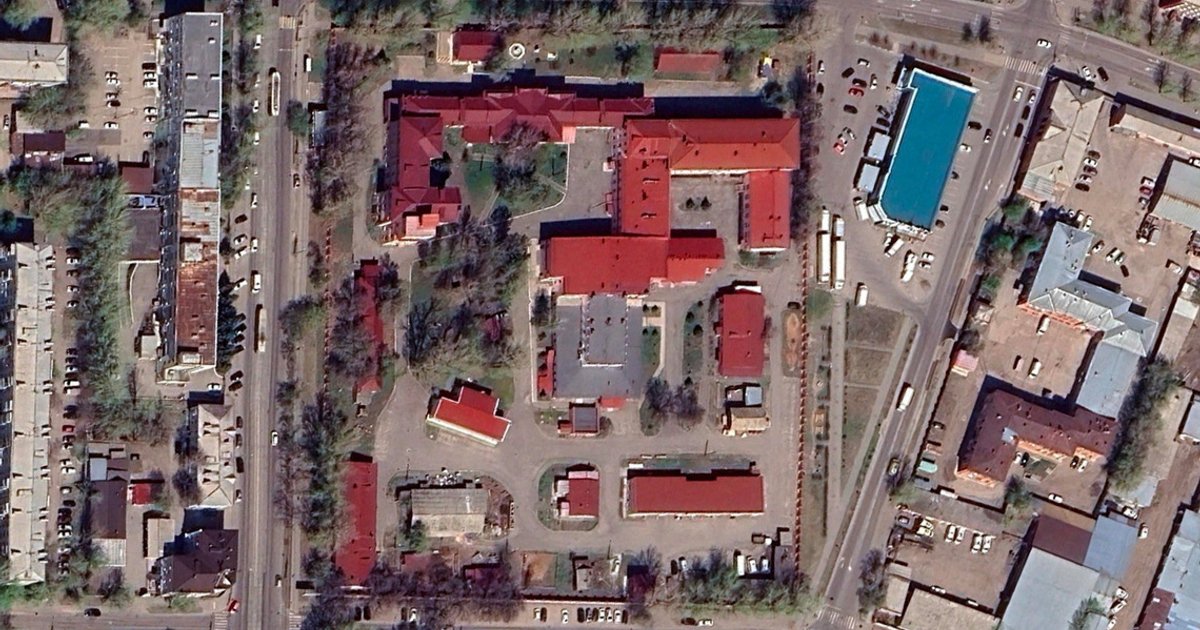
WHO says cause of Russian lab worker’s death remains unknown

Russia ends checks after Siberian lab worker’s death, but cause remains unknown
About 1,300 to 1,400 people seek care after illness in Tokat
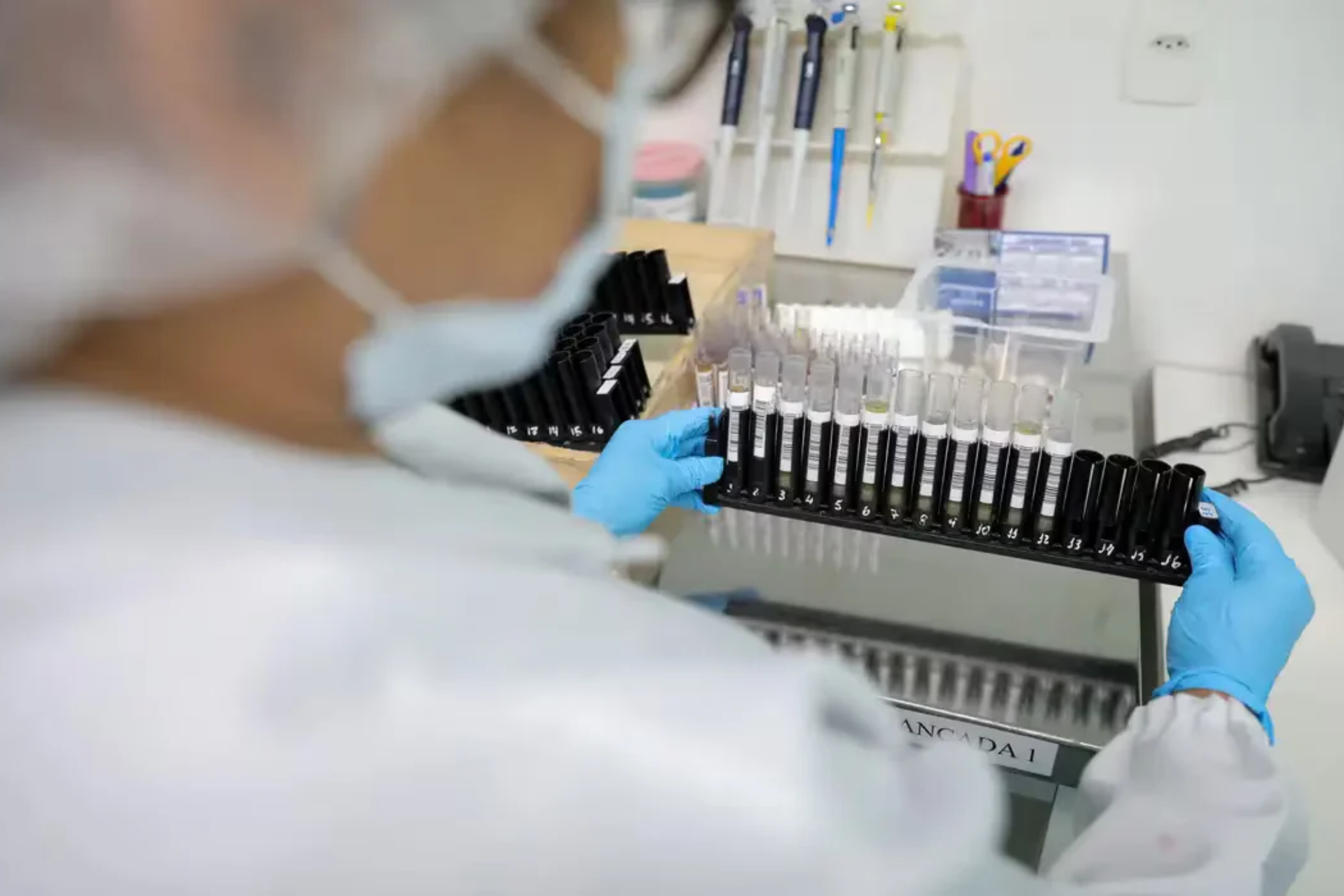
Brazil approves first human tests of vaccine against a major malaria parasite

Drug-resistant Shigella is becoming more common in the U.S
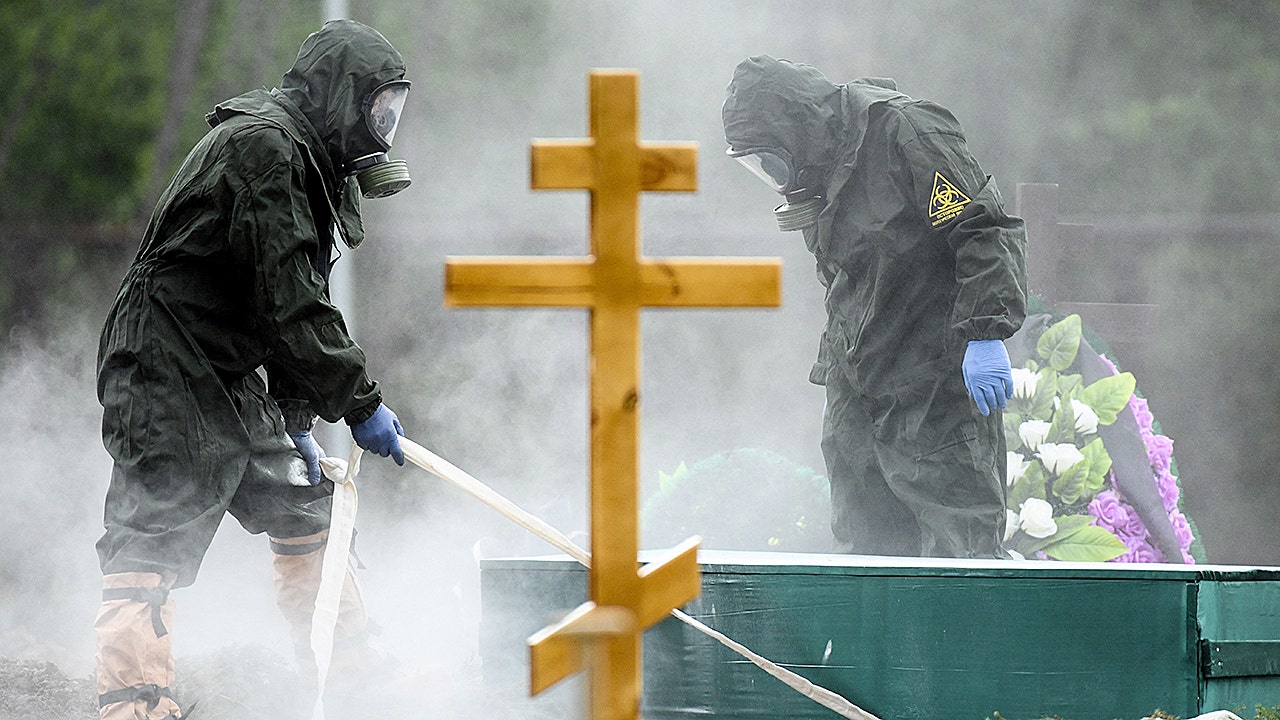
CDC monitors US arrivals from Siberia amid concerns over possible plague

Kenya’s First Ebola Patient Travelled Through DR Congo and Uganda Undetected

Kenyan patient suspected of Ebola tests negative in preliminary results

Astra and Indonesian government expand village stunting prevention program
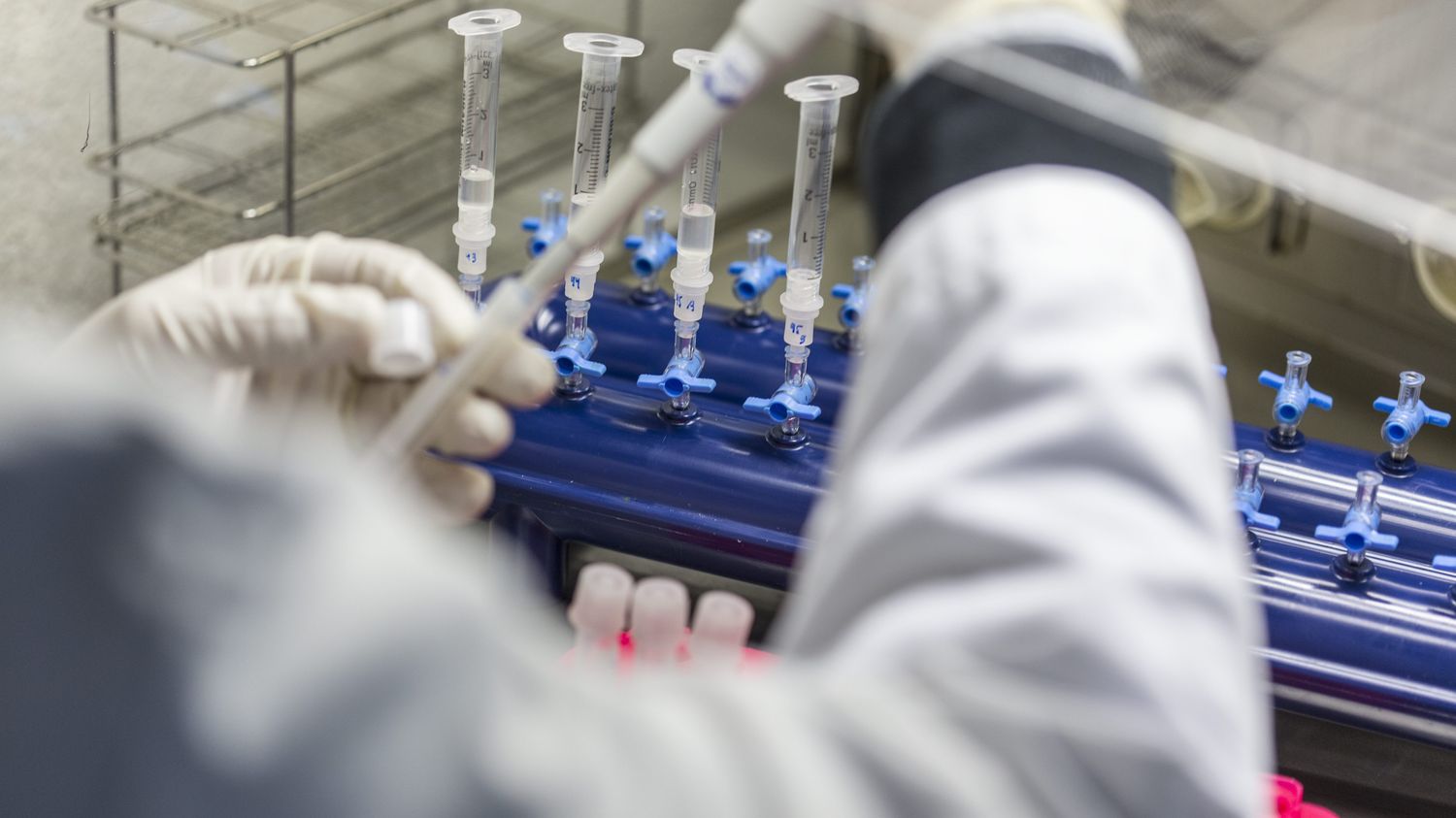
Pasteur chief urges calm amid plague suspicions in Russia

Kozhikode steps up fish market checks amid spoilage and chemical concerns