Health · Public Health & Disease · 6 hrs ago
How to make water safer after a hurricane
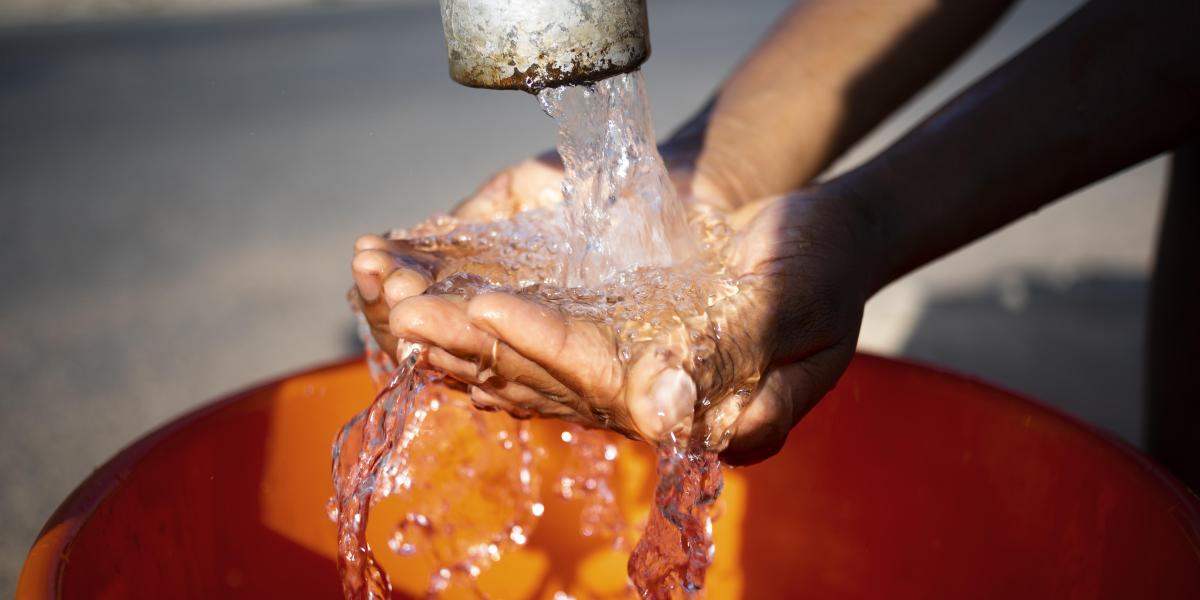
After a hurricane, floods can contaminate wells, tanks, pipes and stored water with sewage, germs or chemicals.
Water that looks clear and has no unusual smell may still be unsafe to drink or use for food.
The US Centers for Disease Control and Prevention advises using bottled water that was not exposed to flooding when it is available.
If it is not, boiling water is the most effective household option for killing many disease-causing germs: bring it to a strong boil for one minute, or three minutes at high elevations.
Unscented household chlorine can disinfect clear water if its strength is checked and the treated water is left for at least 30 minutes, but chlorine does not remove chemicals or all parasites.
A cloth or coffee filter can remove visible particles, but filtering alone may not kill germs.
Water suspected of fuel, solvent or other chemical contamination should not be made drinkable by boiling, chlorine or a conventional filter; safe water is also needed for washing produce, brushing teeth, making ice and cleaning utensils.

Flooding after a hurricane can contaminate wells, tanks, pipes and stored water, even if the water looks clear and has no unusual smell.
The US Centers for Disease Control and Prevention recommends using bottled water that was not exposed to flooding when available.
Boiling water vigorously for one minute is presented as one of the most effective ways to remove disease-causing microorganisms.
Unscented household bleach can be used in an emergency if its concentration is known, but it does not remove chemicals and may not eliminate all parasites.
Filtering can remove visible particles but does not necessarily disinfect water, and water showing signs of chemical contamination should not be used.
- Who
- The US Centers for Disease Control and Prevention provides the recommendations described. The advice is for people seeking to make water safer after a hurricane.
- What
- Guidance describes boiling, bleach disinfection and filtration, and their limits.
- When
- After a hurricane, when flooding may have contaminated water supplies.
- Where
- In areas affected by hurricanes and flooding; the article also gives Mexico City as an example of a high-altitude location.
- Why
- Flooding can expose water to sewage, microorganisms and chemicals, making it unsafe to drink or use for food preparation.
This story does not have two clearly opposing sides.
No direct quotes in the coverage so far.
This story does not have a timeline yet.
- Boiling time
- 1 minute at a vigorous boil; 3 minutes above approximately 1,980 metres
- Bleach dose
- 2 drops of unscented bleach at 5% to 9% sodium hypochlorite per litre of clear water
- Bleach wait
- At least 30 minutes before consumption
- Recommended first choice
- Bottled water not exposed to flooding
- Article publication
- 2026-10-11 | El Economista MX
Sources
Related news
WHO says cause of Russian lab worker’s death remains unknown

Russia ends checks after Siberian lab worker’s death, but cause remains unknown
CDC monitors US arrivals from Siberia amid concerns over possible plague

Kozhikode steps up fish market checks amid spoilage and chemical concerns
About 1,300 to 1,400 people seek care after illness in Tokat
Refrigerated food can stay cold for about four hours during a power outage
Some flood-exposed canned foods may be safe to keep if they are intact

Efferon develops blood-filtering device for children with sepsis
Brazil approves first human tests of vaccine against a major malaria parasite

French blood stocks fall as health and social disruptions affect donations
Drug-resistant Shigella is becoming more common in the U.S