Health · Public Health & Disease · 1 day ago
Drug-resistant Shigella is becoming more common in the U.S
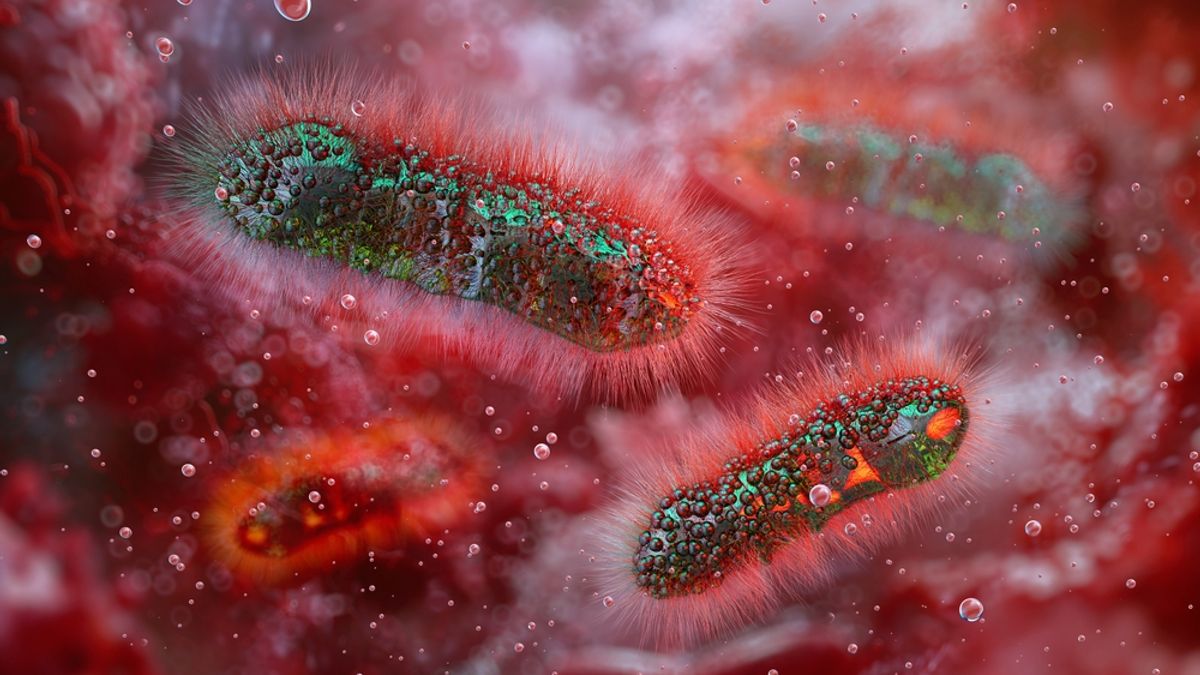
Shigella is a bacterium that can cause diarrhea, fever and stomach cramps.
It spreads when tiny amounts of infected stool reach someone’s mouth, including through contaminated food or water, unwashed hands, or sexual contact.
A CDC analysis of nearly 17,000 U.S. samples collected from 2011 to 2023 found that 8.5% of samples with resistance data in 2023 resisted five antibiotics.
None of the samples from 2011 through 2015 met the CDC’s definition of extensively drug-resistant Shigella.
This points to growing antibiotic resistance, not necessarily more infections overall.
Most people recover without antibiotics, but treatment choices are limited when illness is severe and the strain is resistant.
Most identified patients with extensively drug-resistant infections were adult men, though missing information means the data cannot show how each person was infected.
Handwashing with soap and water after using the bathroom and before eating can help prevent spread.

Extensively drug-resistant Shigella accounted for 8.5% of U.S. samples with resistance data in 2023, compared with none in samples from 2011 to 2015.
The CDC analysis covered nearly 17,000 samples collected between 2011 and 2023.
Shigella can cause diarrhea, fever and abdominal cramps, and spreads when tiny amounts of fecal matter reach the mouth.
The rise in resistant samples does not necessarily mean overall infections are increasing.
Most people recover without antibiotics, but treatment options are limited for infections resistant to multiple drugs.
- Who
- People infected with Shigella, with adult men making up most recorded extensively drug-resistant cases.
- What
- Extensively drug-resistant Shigella is becoming more common in U.S. samples.
- When
- CDC data covered 2011 through 2023; the report was published in April 2026.
- Where
- United States.
- Why
- Shigella spreads when tiny amounts of fecal matter reach the mouth, including through sexual contact, contaminated food or water, and unwashed hands. The sources do not establish why resistance is increasing in the United States.
This story does not have two clearly opposing sides.
The infection is not surging. The bacteria are changing,
Case counts can hold steady while the treatment options quietly disappear.
This is multiple overlapping variants emerging that are all quickly becoming resistant to the drugs we use to treat them,
It’s highly likely that if you contracted your Shigella through sex you require different treatment to someone who contracted it through travel.
None of the U.S. Shigella samples in the cited CDC data were classified as extensively drug-resistant.
The CDC analysis tracked nearly 17,000 Shigella samples.
Extensively drug-resistant samples made up 8.5% of U.S. samples with resistance data.
The CDC report on U.S. Shigella resistance was published.
- U.S. samples in 2023
- 8.5% with resistance data were extensively drug-resistant
- CDC analysis
- Nearly 17,000 samples collected between 2011 and 2023
- Extensively drug-resistant cases
- 510 samples met the CDC definition
- XDR definition
- Resistance to all five antibiotics in the CDC definition
- Hospitalization
- 37.6% of patients with hospitalization data in the Fox News account were hospitalized
- Deaths
- No deaths were reported among analyzed XDR cases
Sources
Related news

WHO says cause of Russian lab worker’s death remains unknown

Russia ends checks after Siberian lab worker’s death, but cause remains unknown
About 1,300 to 1,400 people seek care after illness in Tokat
Brazil approves first human tests of vaccine against a major malaria parasite
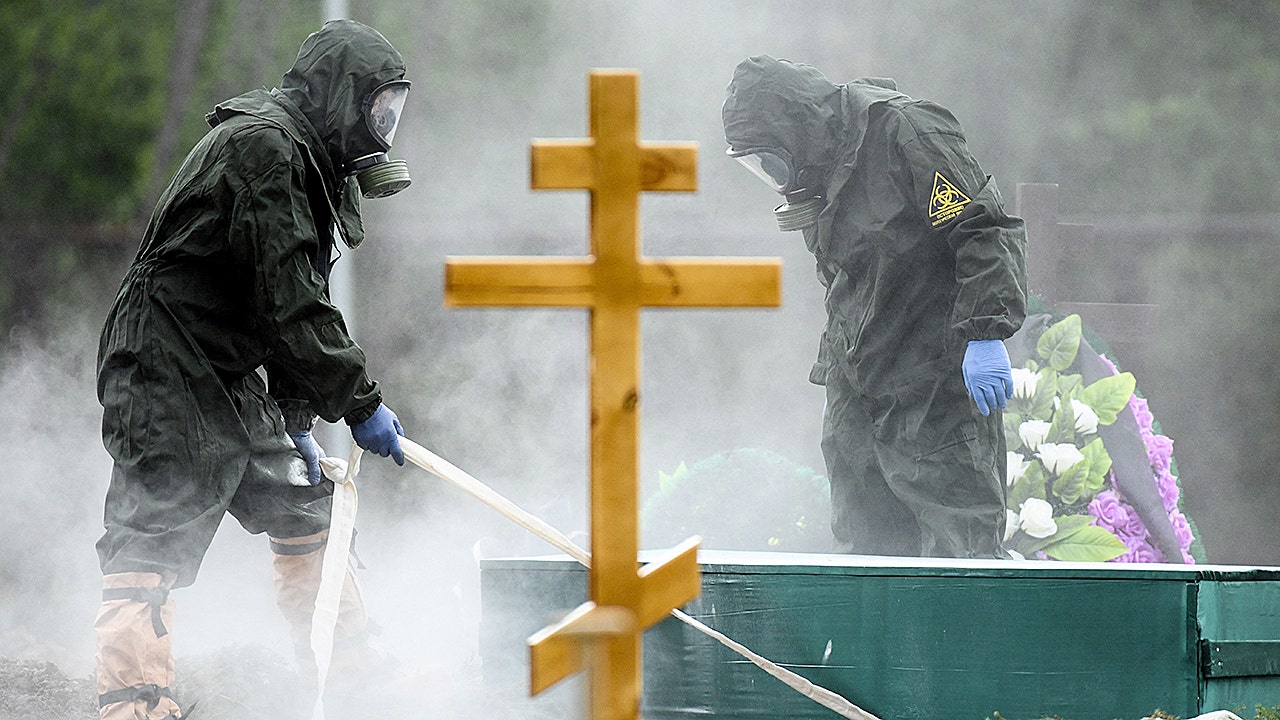
CDC monitors US arrivals from Siberia amid concerns over possible plague

Kenya’s First Ebola Patient Travelled Through DR Congo and Uganda Undetected

Kenyan patient suspected of Ebola tests negative in preliminary results

Astra and Indonesian government expand village stunting prevention program
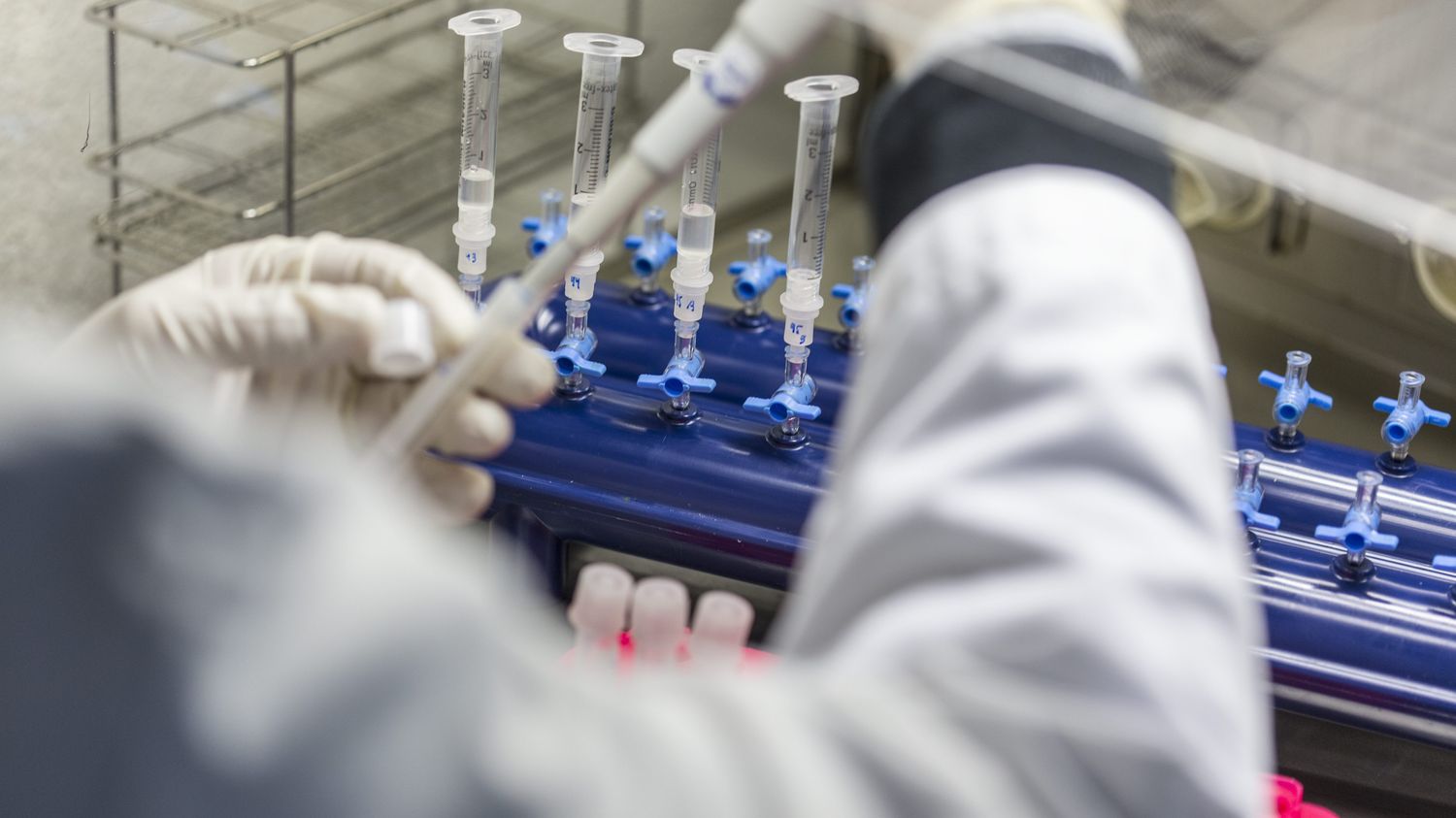
Pasteur chief urges calm amid plague suspicions in Russia

Kozhikode steps up fish market checks amid spoilage and chemical concerns
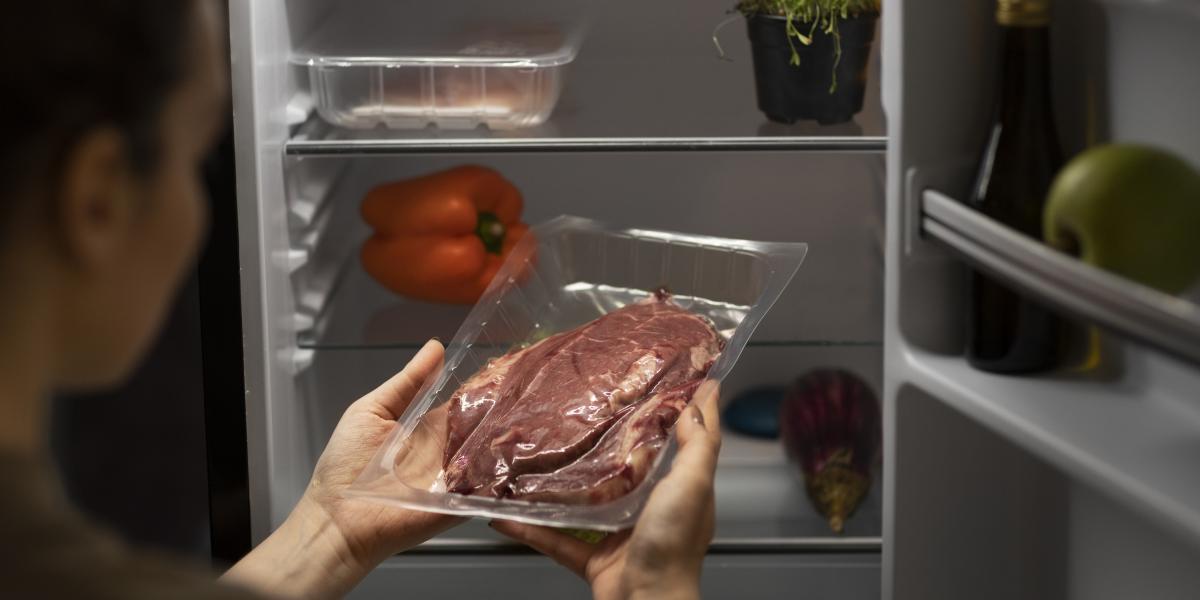
Refrigerated food can stay cold for about four hours during a power outage