Politics · Mexico · 1 hr ago
Mexico’s electoral institute confirms 33,065 identities using biometric data

Mexico’s National Electoral Institute, known as the INE, has used biometric data to help identify people and support searches for people who are missing or not located.
The work uses information from the country’s electoral register and is carried out with authorities responsible for searches, justice and human identification.
The INE says the process has helped authorities confirm 33,065 identities.
Separate searches for missing people produced 275,012 records for analysis, of which authorities confirmed 138,085.
These figures cover work through September 30, 2026, and the INE says it has signed 50 cooperation agreements with authorities since 2016.
The information can help authorities identify people and locate missing people, while the INE says personal data must be protected.

Mexico’s National Electoral Institute said it had helped confirm 33,065 identities using biometric data.
Authorities’ searches using information from the institute also produced 138,085 records confirmed to help locate missing or unlocated people.
By September 30, the institute had handled 2,668 requests related to identifying unknown people, leading to 119,688 biometric search requests.
The institute said its work relied on cooperation agreements with federal and state authorities involved in searches, justice and human identification.
Since 2016, it has signed 50 agreements to strengthen information sharing and responses to requests.
- Who
- Mexico’s National Electoral Institute (INE), working with competent authorities.
- What
- The INE reported that biometric procedures helped confirm 33,065 identities. Separate searches produced 138,085 records confirmed by requesting authorities.
- When
- The figures were reported in October 2026. The report’s data covered activity through September 30, 2026.
- Where
- Mexico.
- Why
- To identify unknown people and help locate missing or unlocated people, through cooperation with authorities.
This story does not have two clearly opposing sides.
The INE began signing cooperation agreements to share biometric and electoral-roll data for human identification.
The institute had signed 50 cooperation agreements with federal and state authorities.
The reporting period for the figures on identification requests and biometric searches ended.
The results report was presented at a session of the Federal Register of Electors Commission.
- Identities confirmed
- 33,065
- Records confirmed to support locating people
- 138,085
- Requests for biometric searches
- 119,688
- Cooperation agreements since 2016
- 50
- Reporting cutoff
- September 30, 2026
What people are saying
this work has a deeply human dimension and social value, since, through the use of biometric identification mechanisms and collaboration with other institutions of the Mexican State, it has been possible to contribute to the identification of people and the search for missing people, always with the proper protection of personal data.
Sources
Related news
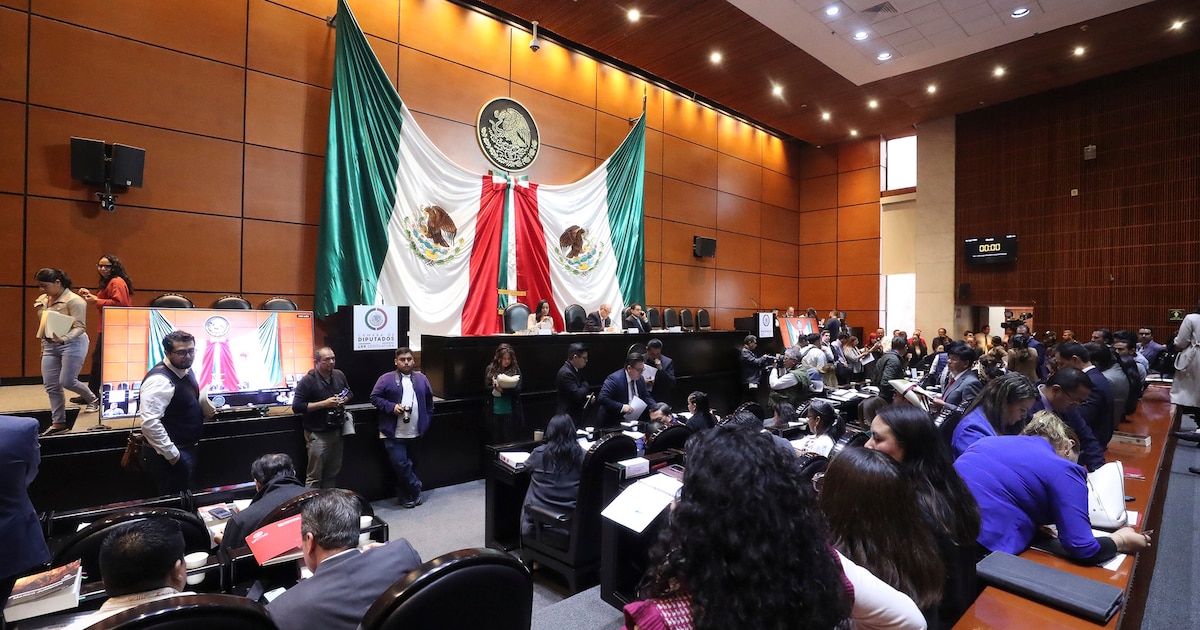
Mexico committee backs proposed 2027 increases to visa and health fees

IMSS workers block roads in Mexico City ahead of national march

Opinion piece argues recent Mexican reforms do not amount to a new constitution

Mexico’s poverty rate fell to 29.6% from 2018 to 2024, Morena says

Senate committees approve limits on students’ cellphone use in Mexico

UNAM opens registration for more than 90,000 student scholarships
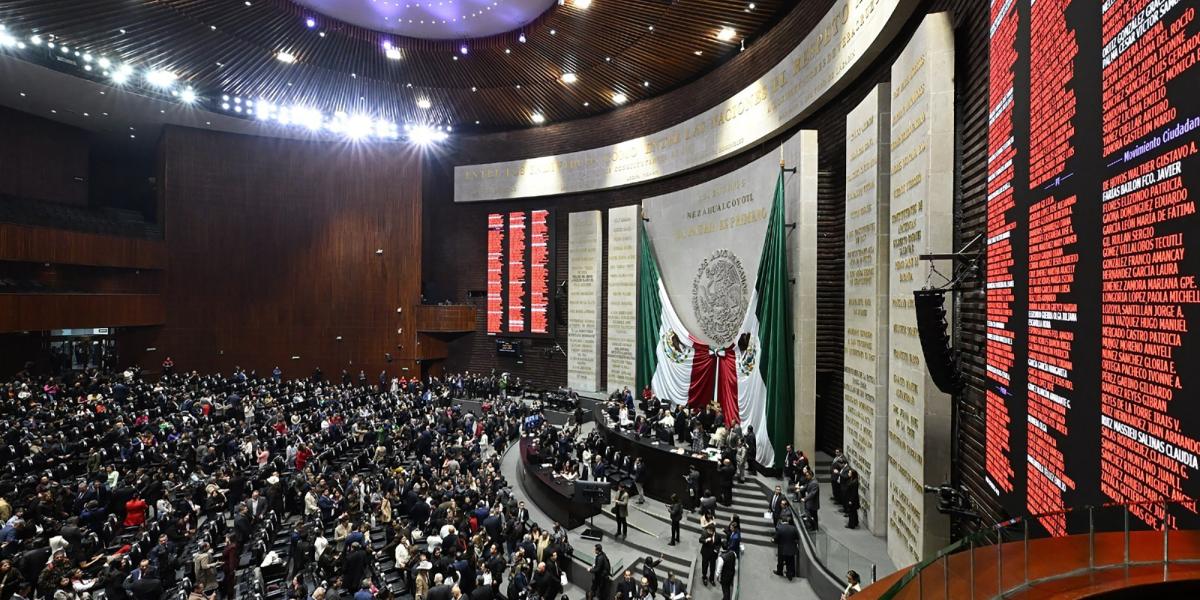
Mexico’s lower house to debate 2027 revenue package this week

UN rights expert urges investigation into force used at Guadalajara water protest

Pío López Obrador begins neighborhood visits in Tuxtla Gutiérrez

Dresser says Sheinbaum misrepresented her complaint about medicine shortages

Mexico committee approves 2027 federal fees bill, with chamber vote pending