Health · Mental Health · 1 day ago
Why Some Children Lose Their Cool After School

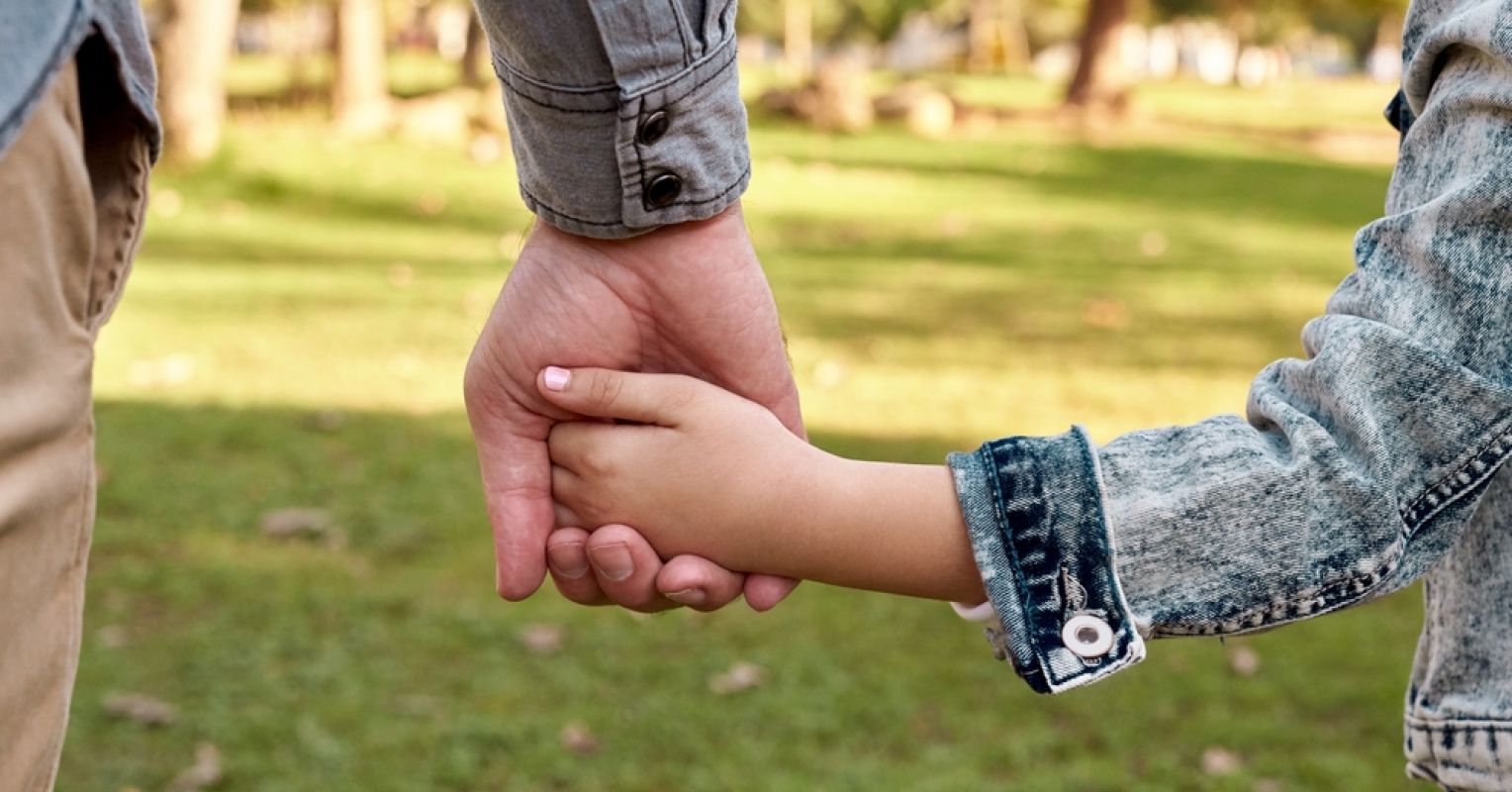
Some children behave well at school, then become upset, withdrawn or disruptive when they get home.
This pattern is called after-school restraint collapse, a term developed by psychotherapist and parenting educator Andrea Loewen Nair.
It is not a medical diagnosis.
The idea is that the rules, tasks and social demands of a school day can use up a child’s capacity to manage stress and emotions.
Home may feel safe enough for a child to let those feelings out, so the behavior is not necessarily deliberate defiance.
That can help adults understand what is happening, but it does not mean they should allow hurtful behavior or damage to belongings.
The suggested response is to connect, refuel, validate, reduce demands and reconnect.
To start, caregivers can welcome the child without immediately asking questions, offer a snack and give them time to decompress.

After-school restraint collapse describes children who hold their emotions together at school and release stress after coming home.
The term was developed by psychotherapist and parenting educator Andrea Loewen Nair.
It is not a medical diagnosis, but a term for a pattern of behavior.
Children may cry, yell, have tantrums, shut down, break objects or laugh uncontrollably.
The article suggests connecting with children, offering a snack and time to decompress, and initially avoiding questions about their day.
- Who
- Children who cope well emotionally at school but have difficult behavior after coming home.
- What
- The pattern is called after-school restraint collapse.
- When
- After school, when children get home.
- Where
- At home.
- Why
- The article says children may have used up their capacity to manage stress and emotions during the school day and feel safe enough at home to let go.
This story does not have two clearly opposing sides.
Your child is not intentionally saving their worst behavior for you.
Understanding behavior is not the same thing as allowing the behavior, and that's an important distinction.
This story does not have a timeline yet.
- Term developed by
- Andrea Loewen Nair
- Term
- After-school restraint collapse
- Medical diagnosis
- No; the article describes it as a term for a behavior pattern
- Suggested first step
- Connect with the child when they get home
Sources
Related news
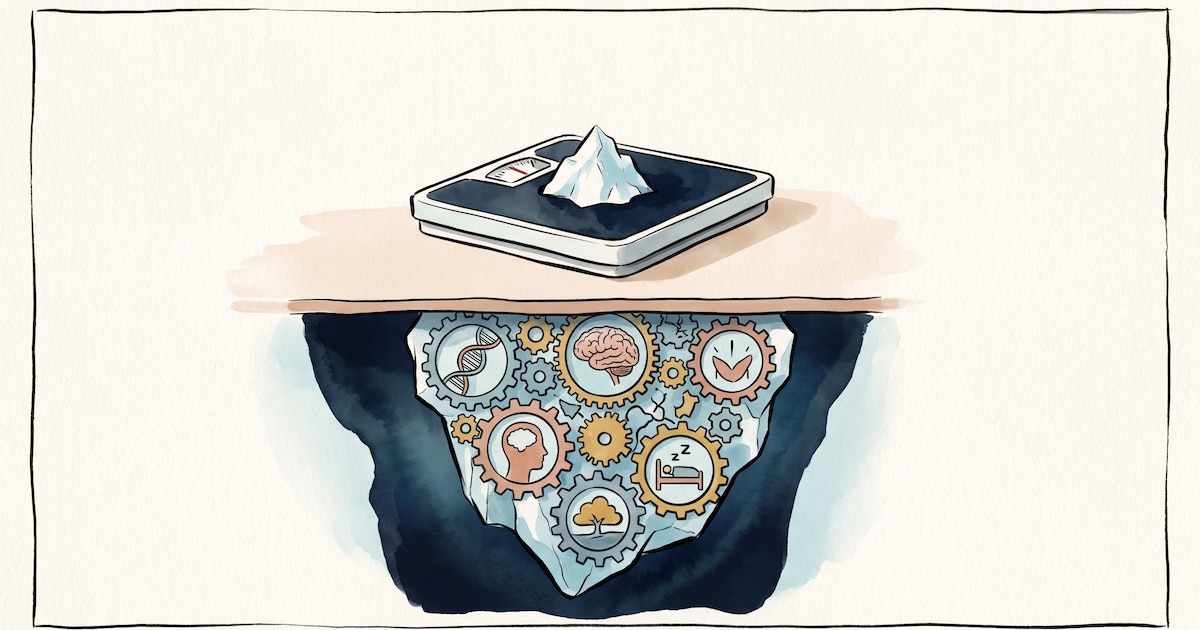
Psychological support can improve weight-loss treatment
Couples urged to consider consensual masturbation as a shared sexual option

Fathers’ Regret Can Reflect What They Lost in Themselves

Psychotherapist links anxiety, anger and creativity

Mother’s work commitment clashes with urgent care for her daughter

A Weekly, Structured Conversation May Help Couples Raise Concerns

Study links cannabis-related anxiety in mice to central amygdala neurons

Changes in communication and affection may signal marital withdrawal

Review says rising youth distress is real and services are falling short
Testing Hidden Assumptions Can Help Build Self-Validation

Young carers in Western Australia say care duties limit their childhood and studies