Health · Mental Health · 3 hrs ago
Psychotherapist links anxiety, anger and creativity
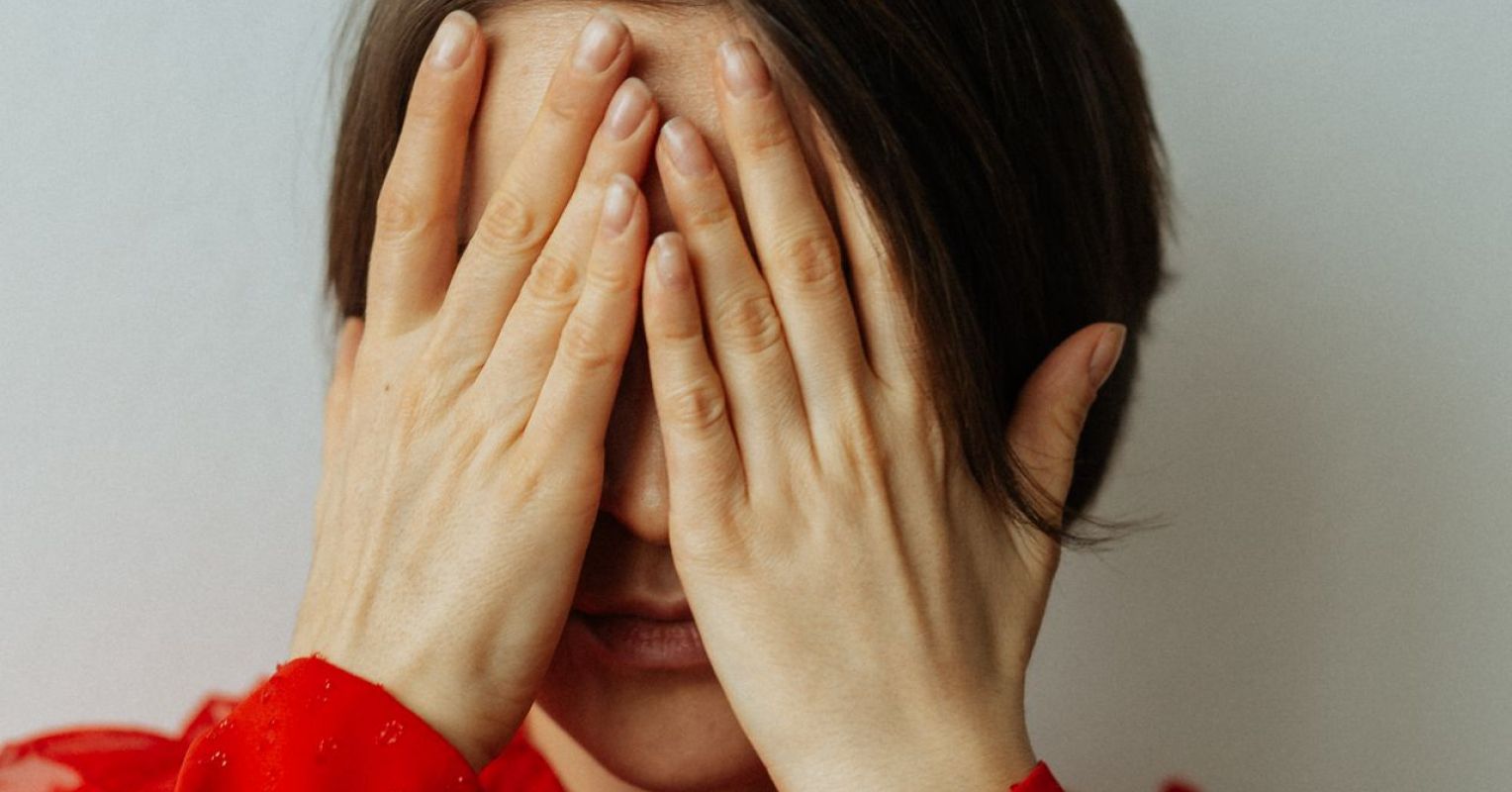
The article discusses how anxiety, anger and creativity may be connected.
It focuses on people seeking treatment for anxiety, including through psychotherapy and medication.
The author says psychotherapy can help people understand their anxiety and learn ways to manage it.
Drawing on psychologist Rollo May, the author argues that suppressing intense feelings such as anger and anxiety can make them stronger.
The author says suppressed anger may develop into resentment or hostility, while anxiety may become more severe.
The article suggests that anxiety can sometimes signal anger that a person has pushed aside.
The author argues that addressing these feelings in therapy may help people manage anxiety more constructively.

A psychotherapist argues that anxiety, anger and creativity are psychologically connected.
The article says psychotherapy can help people understand and manage anxiety, including by exploring its links with anger and creativity.
It describes anxiety and anger as elements of what psychologist Rollo May called the daimonic.
The author argues that suppressing these emotions can intensify them and lead to harmful effects.
The article is Part 4 of a series on anxiety.
- Who
- The article’s author, a psychotherapist, discusses anxiety, anger and creativity.
- What
- The author argues that these emotions are connected and that psychotherapy can help people understand and manage anxiety.
- When
- Published October 11, 2026.
- Where
- Not stated
- Why
- The author says understanding the connection can help patients manage anxiety and address suppressed emotions.
This story does not have two clearly opposing sides.
Our culture requires that we repress most of our anger, and, therefore, we are repressing most of our creativity.
This story does not have a timeline yet.
- Publication date
- October 11, 2026
- Series position
- Part 4 of a series on anxiety
- Psychologist cited
- Rollo May
- Estimated worldwide anxiety disorders
- 470 million people
- U.S. adults taking psychiatric medication
- Almost 15%
Sources
Related news

Couples urged to consider consensual masturbation as a shared sexual option

Fathers’ Regret Can Reflect What They Lost in Themselves

Mother’s work commitment clashes with urgent care for her daughter

A Weekly, Structured Conversation May Help Couples Raise Concerns

Study links cannabis-related anxiety in mice to central amygdala neurons

Changes in communication and affection may signal marital withdrawal

Review says rising youth distress is real and services are falling short

Testing Hidden Assumptions Can Help Build Self-Validation

Young carers in Western Australia say care duties limit their childhood and studies

UK review warns of risks from ADHD and autism over-diagnosis

Behavioral parent training can help neurodivergent children, evidence suggests