Health · Mental Health · 2 hrs ago
Psychological support can improve weight-loss treatment
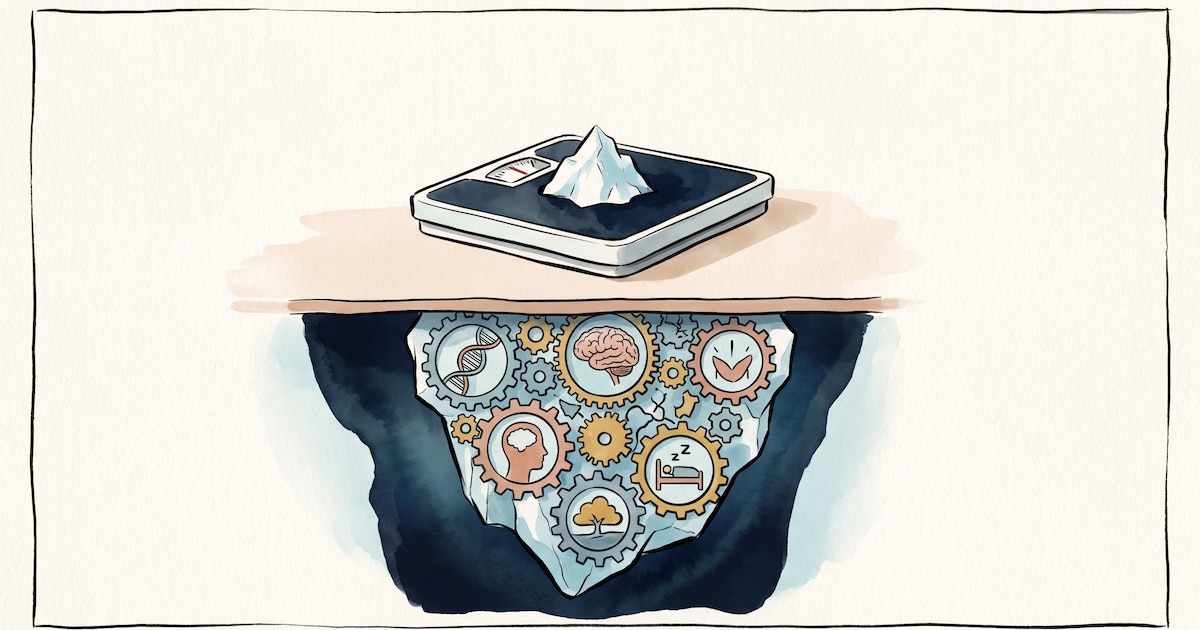
Weight loss is affected by more than eating habits and exercise.
Hunger, sleep, stress, mood, genetics and a person’s food environment can all influence weight and the ability to maintain changes.
A review of 37 studies, including 21 randomized clinical trials, found favorable results from psychological interventions compared with minimal or usual care.
The World Health Organization says obesity involves biological, environmental and psychosocial factors and recommends care tailored to each person.
That care may combine behavioral, nutritional, psychological and medical support.
Experts say this broader approach can address difficulties that general advice to eat less or move more may not resolve, and avoid treating weight as a test of willpower.
The source does not specify a next step or timeline for any particular treatment.

Psychological support may improve weight-loss treatment by addressing emotional and behavioral factors alongside diet and physical activity.
A systematic review and meta-analysis found favorable results for psychological interventions compared with minimal or usual interventions.
The review included 37 studies, of which 21 were randomized clinical trials.
The World Health Organization recommends multimodal obesity care that can include behavioral, nutritional, psychological and medical interventions.
Experts cited in the article say biology, social conditions and psychological factors can affect hunger, eating and the ability to maintain changes.
- Who
- People receiving treatment for overweight or obesity.
- What
- The article says psychological support can help weight-loss treatment by addressing emotional and behavioral factors.
- When
- Not stated.
- Where
- Not stated.
- Why
- Weight and eating can be affected by biological, social and psychological factors, making general advice alone insufficient for some people.
This story does not have two clearly opposing sides.
No direct quotes in the coverage so far.
This story does not have a timeline yet.
- Review
- 37 studies
- Randomized trials
- 21
- WHO approach
- Multimodal care may include behavioral, nutritional, psychological and medical interventions
Sources
Related news

Couples urged to consider consensual masturbation as a shared sexual option

Fathers’ Regret Can Reflect What They Lost in Themselves

Psychotherapist links anxiety, anger and creativity

Study links cannabis-related anxiety in mice to central amygdala neurons

Mother’s work commitment clashes with urgent care for her daughter

A Weekly, Structured Conversation May Help Couples Raise Concerns

Changes in communication and affection may signal marital withdrawal

Review says rising youth distress is real and services are falling short

Testing Hidden Assumptions Can Help Build Self-Validation

Young carers in Western Australia say care duties limit their childhood and studies

Behavioral parent training can help neurodivergent children, evidence suggests