Politics · South Korea · 14 hrs ago
South Korea’s plan to replace aging Russian landing craft gets no 2027 funding
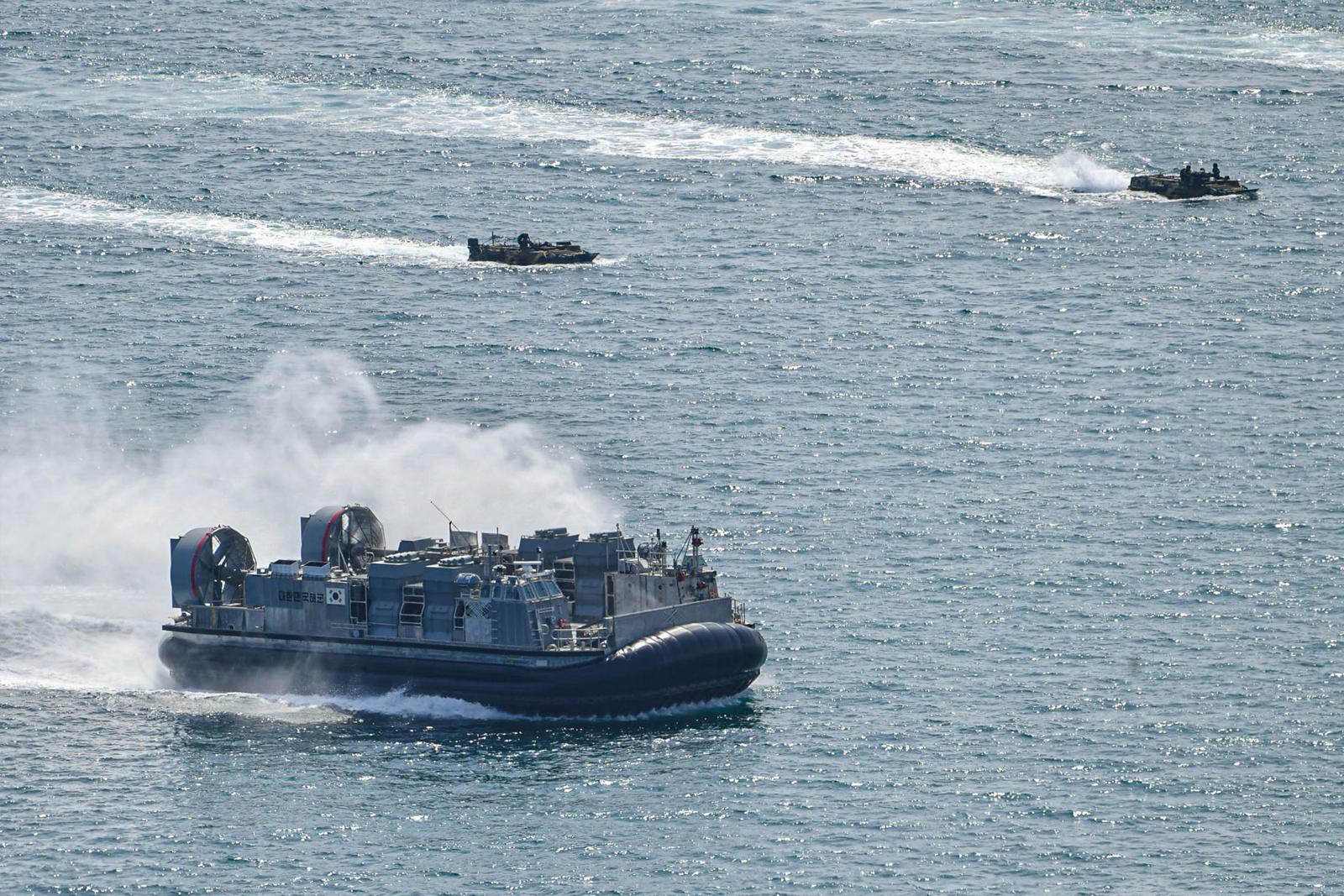
South Korea’s navy plans to replace aging Russian-made Murena landing craft with locally built LSF-II vessels.
The craft can carry tanks and troops ashore, transport people and equipment, and operate in shallow coastal waters.
The navy planned to buy eight new vessels by 2036 through a 10-year program costing 1.238 trillion won.
The current Russian vessels were first brought into service in 2005, have broken down 10 times in five years, and have faced parts supply problems linked to the Russia-Ukraine war.
But the government’s budget for next year includes no money for the program, delaying its start by at least a year.
The budget authority said the project’s feasibility review was unfinished during budget work, while the navy says the review was completed on August 27, before the budget was approved by the cabinet on September 1.
Opposition lawmaker Im Jong-deuk says delays could weaken readiness and add about 26 billion won in costs for each year of delay; he plans to press for funding during budget review and a parliamentary audit.

South Korea’s 2027 budget includes no funding for a planned project to replace aging Russian-made landing craft with domestically built vessels.
The Navy planned to spend 1.238 trillion won over 10 years to acquire eight new craft by 2036 and replace three Murena vessels.
The Navy says the Murena craft have become unreliable and parts supplies have been disrupted by the Russia-Ukraine war.
The project’s delay could leave a gap in military capability and add about 26 billion won in costs for each year of delay, according to opposition lawmaker Lim Jong-deuk.
The government’s budget office cited an unfinished feasibility study, while the Navy says the study was completed before the budget proposal was approved.
- Who
- South Korea’s Navy plans to replace Russian-made Murena landing craft with domestically built LSF-II craft.
- What
- The 2027 budget includes no funding for the replacement project.
- When
- The funding omission was reported on October 11, 2026; the planned acquisition was to begin in 2027.
- Where
- South Korea.
- Why
- The government’s budget office said the feasibility study was not complete during budget work. The Navy says it had been completed before the budget proposal was approved.
South Korean government budget office
Opposition lawmaker Lim Jong-deuk
Reason for no 2027 funding
South Korean government budget office
The feasibility study had not been completed during budget work.
Opposition lawmaker Lim Jong-deuk
The study was completed on August 27, before the budget proposal was approved on September 1.
Consequences of delay
South Korean government budget office
Not stated.
Opposition lawmaker Lim Jong-deuk
A delay could create a security gap and increase costs by about 26 billion won for each year of delay.
At a time when the North Korean threat is intensifying, telling our military to keep using aging Russian-made landing craft is the fiscal authorities’ security insensitivity, sacrificing our military’s amphibious assault capability and wartime readiness.
I will make sure to correct, during the parliamentary audit and budget review, this penny-wise, pound-foolish budget administration that risks causing a huge additional cost and a capability gap just to save 100 million won now.
South Korea first introduced Russian-made Murena landing craft.
The Joint Chiefs of Staff began the requirement decision process for the replacement project.
The Navy says the Korea Institute for Defense Analyses completed the project’s feasibility study.
The Cabinet approved the 2027 budget proposal without funding for the project.
Donga Ilbo reported that the replacement project received no 2027 funding.
- Planned investment
- 1.238 trillion won over 10 years
- Planned fleet
- Eight LSF-II craft by 2036
- Vessels to replace
- Three Russian-made Murena landing craft
- Murena service life
- 20 years
- Reported failures
- 10 breakdowns in the past five years
- Estimated cost of delay
- About 26 billion won for each year
Sources
Related news

South Korea says president visited golf course as Daegu ceiling collapsed

Lee says he will continue social media outreach and visits to local communities

South Korea’s interior minister orders inspection of regional investigation chief

South Korea parties trade accusations over lawmakers’ children
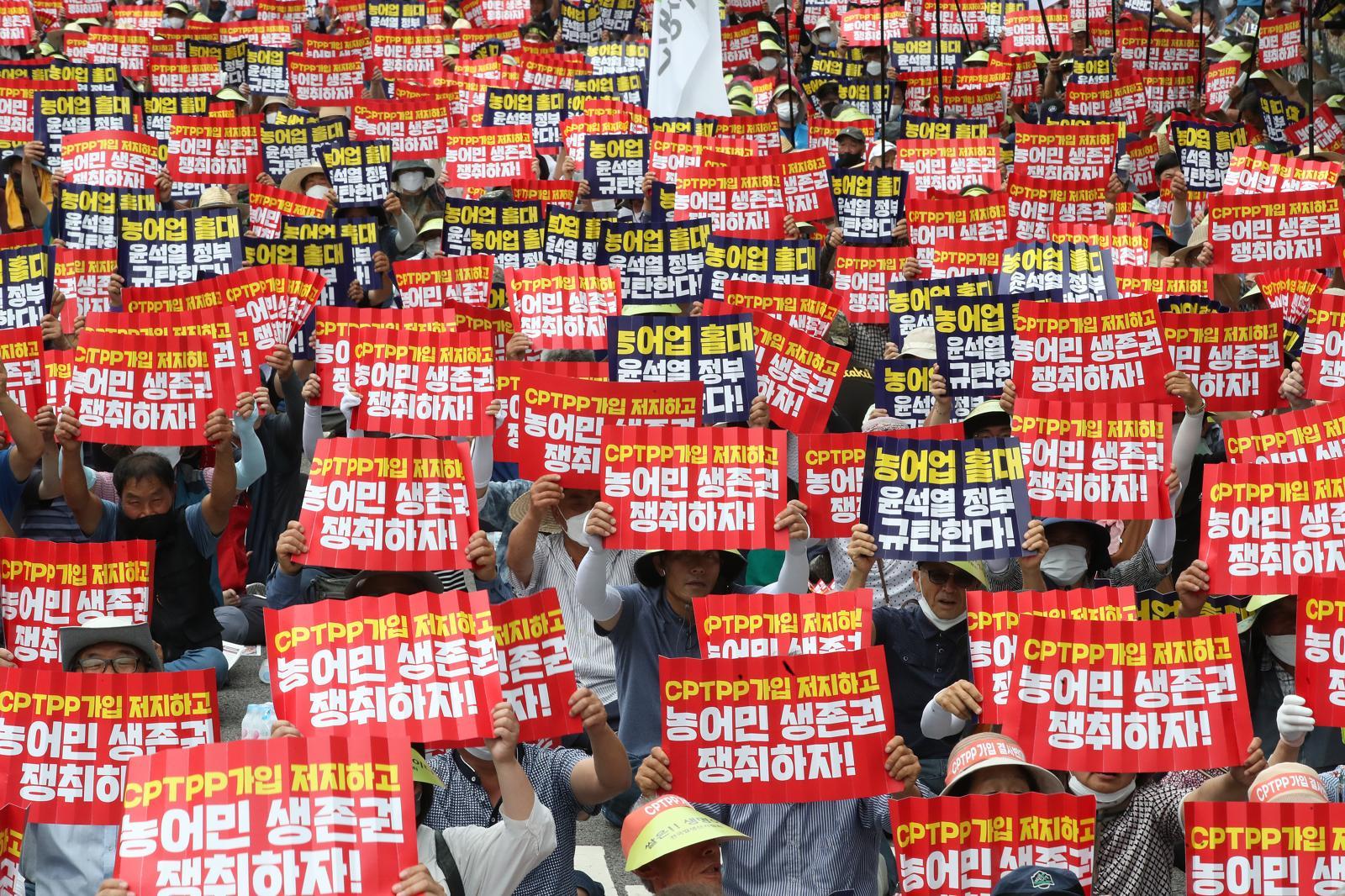
South Korea puts CPTPP membership application on hold this year
Policy reversals raise concerns about trust in South Korea’s government
South Korea faces criticism over rushed policies and repeated reversals
South Korea’s president says he will continue communicating through social media
South Korea’s ruling party divided over nominee for major crimes agency chief
Previously penalized firms won oversight contracts in 16 new-town districts

Democrats question whether Han Dong-hoon interfered in inquiry involving daughter