

Politics · South Korea · 3 hrs ago
South Korea faces criticism over rushed policies and repeated reversals
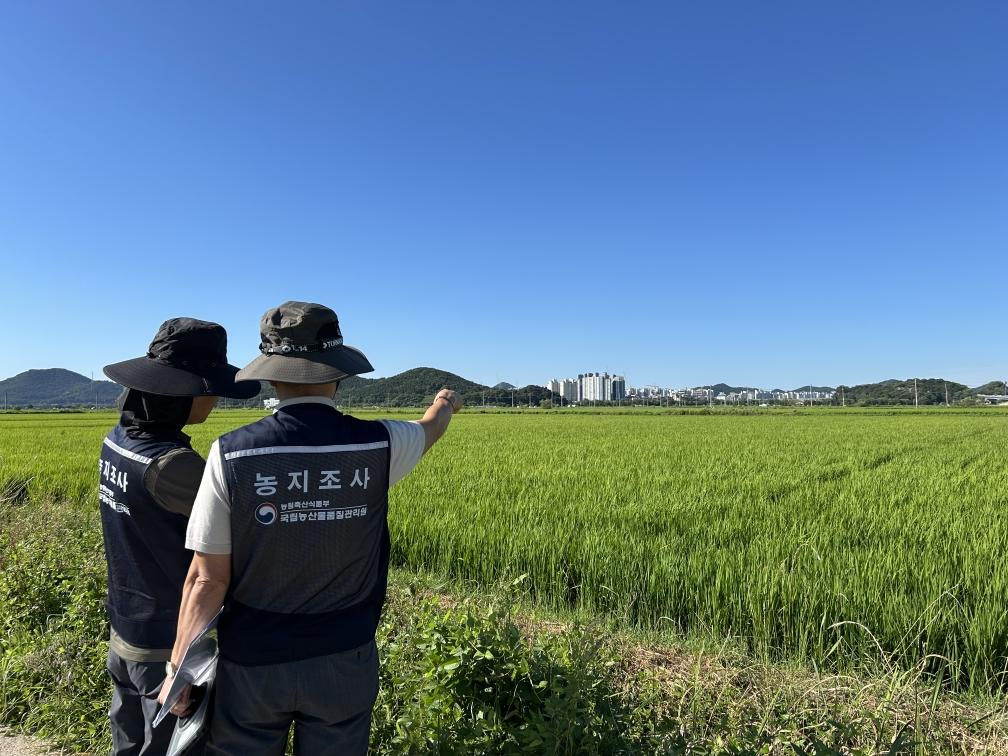
South Korea’s government has revised or paused several policies after President Lee Jae-myung called for action and ministries moved quickly to carry them out.
The changes involved farmland inspections, property taxes, pension payments, health insurance coverage for hair-loss treatments and investment rules.
For example, the government narrowed a farmland crackdown after farmers objected, while parts of a tax plan and a proposed pension overhaul were changed.
The account also says some investors who closed individual savings accounts because of a planned tax change were left unhappy after that proposal was dropped.
Financial regulators tightened rules on single-stock leveraged funds after personal investors’ losses reached 2.3242 trillion won, according to the Financial Supervisory Service.
Critics say announcing policies before enough review can create confusion, undermine public trust and leave people bearing costs even after a policy is reversed.
Experts cited in the story call for officials to hear from specialists and affected groups and weigh possible side effects before moving ahead; no further steps are specified.

South Korea’s government is facing criticism that policies pushed quickly after President Lee Jae Myung’s directives have caused confusion and repeated reversals.
The government softened a farmland survey policy after farmers objected that it did not fit rural conditions.
Tax proposals, a basic pension reform and expanded health insurance coverage for hair-loss treatment also faced changes or were halted.
Financial regulators tightened rules on single-stock leveraged exchange-traded funds after volatility and investor losses.
Experts said policies should be developed after consultation with affected people and specialists to avoid harm and eroding public trust.
- Who
- South Korea’s government under President Lee Jae Myung, and critics including experts and the opposition People Power Party.
- What
- The government is being criticized for hastily advancing policies that later faced backlash, changes or suspension.
- When
- The criticism was reported on October 11, 2026; the policy moves described took place over the preceding months and year.
- Where
- South Korea.
- Why
- Critics say policies were pushed forward without sufficient consultation or assessment of likely side effects, leading to public confusion and harm.
South Korean government
Critics of the government’s policy process
Policy process
South Korean government
The government pursued policies after presidential directives, including a farmland survey and tax changes.
Critics of the government’s policy process
Policies should be developed through consultation and careful review before implementation.
Consequences
South Korean government
The farmland survey was later adjusted, while other proposals were changed or halted after opposition.
Critics of the government’s policy process
Reversals can harm people affected by policies, undermine public acceptance and weaken the government’s ability to govern.
The president’s social media is getting ahead of state affairs, bypassing cabinet meetings, ministry reviews and diplomatic channels.
The president should not get too far ahead; the approach should change so that policies are presented after fully hearing the views of the responsible ministries and experts and going through deliberation.
Farmland management is in such a mess. Farmland has even become an object of speculation.
Lee raised the need to expand health insurance coverage for hair-loss treatment, and the policy advanced before being halted amid criticism.
Lee criticized farmland management, prompting the agriculture ministry to begin a nationwide farmland survey.
Lee called for changes to the basic pension to reduce elderly poverty, and the government pursued a reform that was later scaled back.
The finance ministry announced a tax plan that included higher taxes for non-resident homeowners; parts were later revised, and a proposed cut to existing ISA tax benefits was dropped.
The government said farmland unrelated to speculation would be excluded from compulsory disposal.
Donga Ilbo reported criticism of the government’s rushed policies and repeated reversals.
- Personal investor losses on single-stock leveraged ETFs
- 2.3242 trillion won
- Farmland policy change
- On October 8, non-speculative farmland was excluded from compulsory disposal
- Basic pension eligibility threshold
- The government kept the income threshold at the bottom 70%
- Extra monthly pension support
- 30,000 won for the bottom 30% by income
- Property tax allowance
- The government retained the 1.2 billion won basic deduction for comprehensive real estate tax on non-resident homeowners
Sources
Related news

South Korea says president visited golf course as Daegu ceiling collapsed
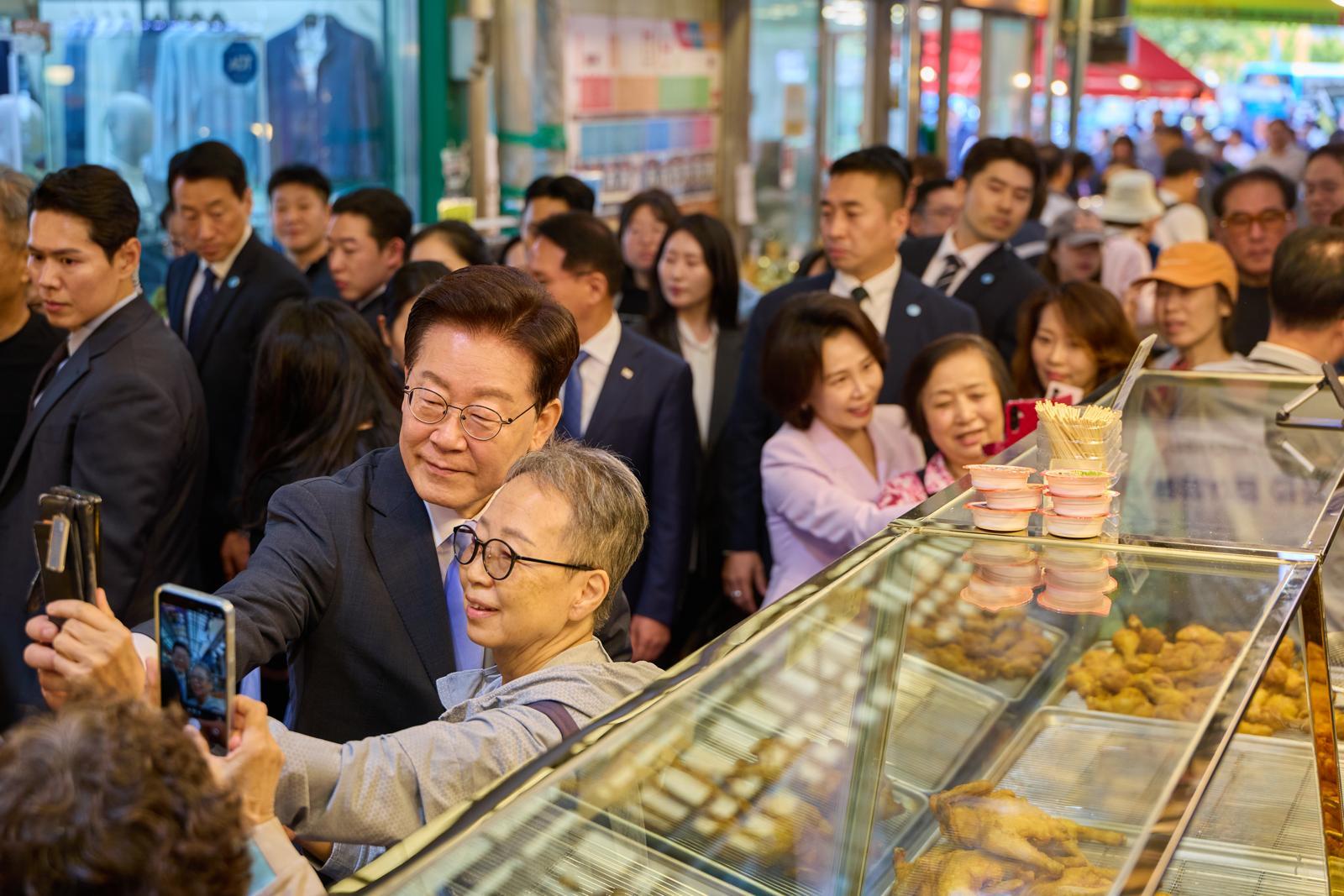
Lee says he will continue social media outreach and visits to local communities
South Korea’s interior minister orders inspection of regional investigation chief
South Korea parties trade accusations over lawmakers’ children
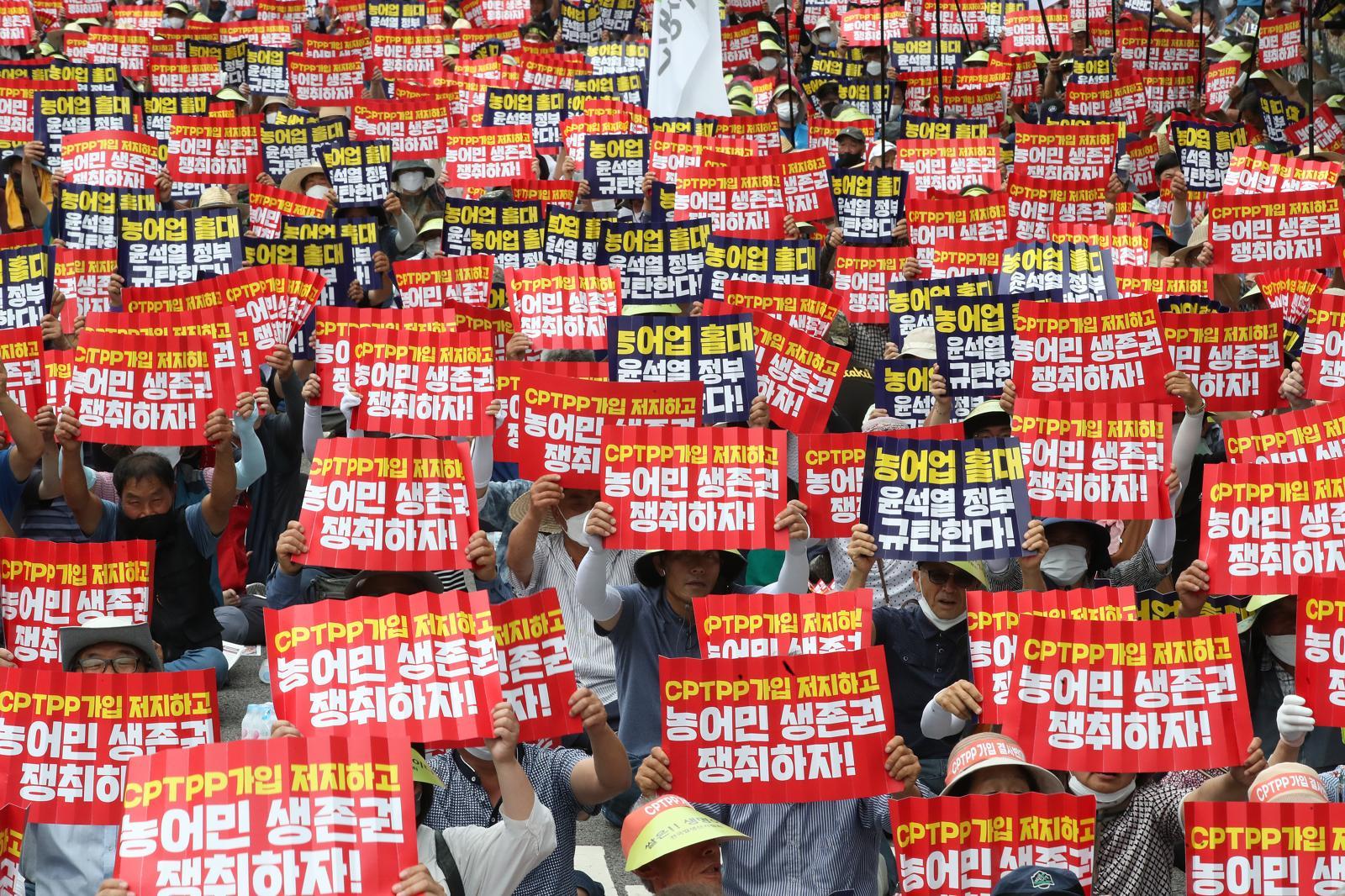
South Korea puts CPTPP membership application on hold this year
Policy reversals raise concerns about trust in South Korea’s government
South Korea’s president says he will continue communicating through social media
South Korea’s ruling party divided over nominee for major crimes agency chief
Previously penalized firms won oversight contracts in 16 new-town districts

Democrats question whether Han Dong-hoon interfered in inquiry involving daughter
Ceiling collapse at Daegu supermarket injures 36
