Politics · South Korea · 1 hr ago
Policy reversals raise concerns about trust in South Korea’s government
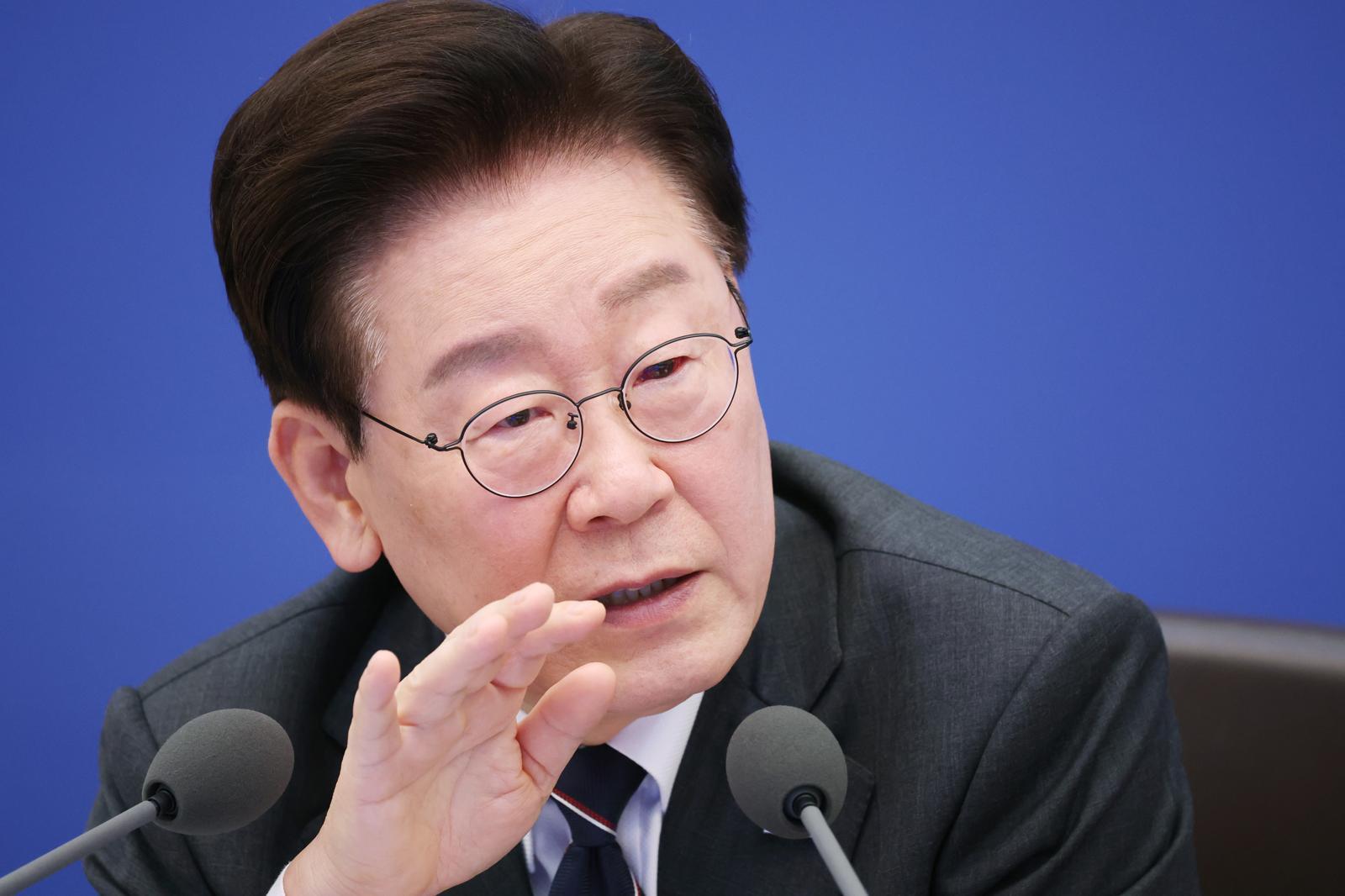
South Korea’s government has announced several major policies this year and then revised or dropped some after facing opposition.
The measures span areas including agriculture, finance, pensions and trade.
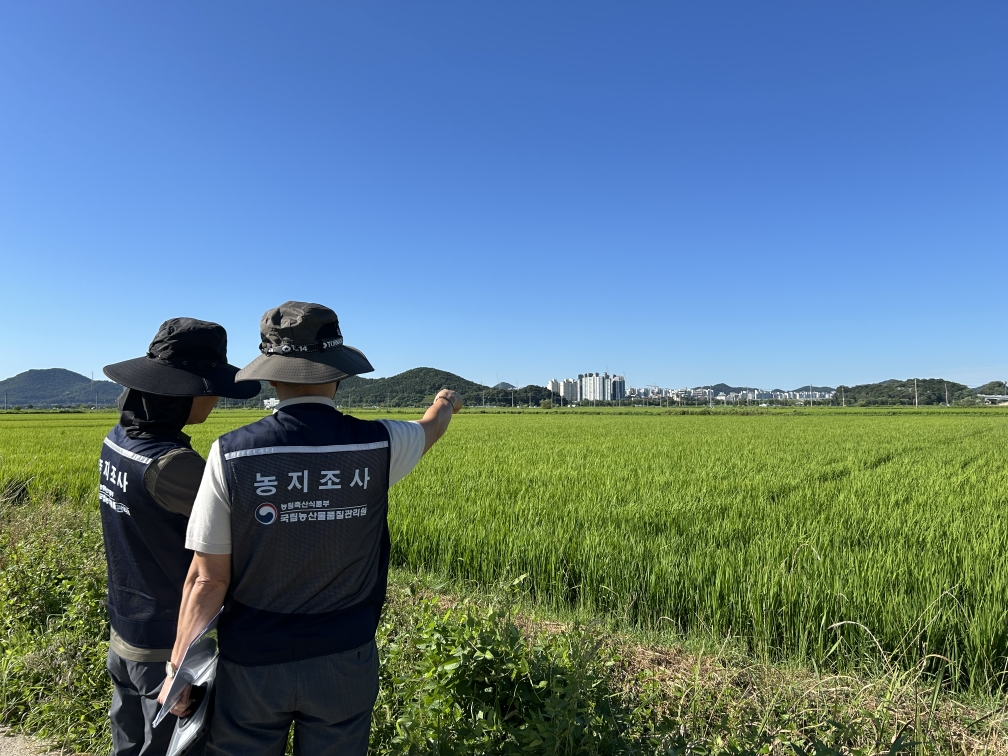
Examples include changes to a farmland survey and tighter rules for single-stock leveraged ETFs after market volatility increased.
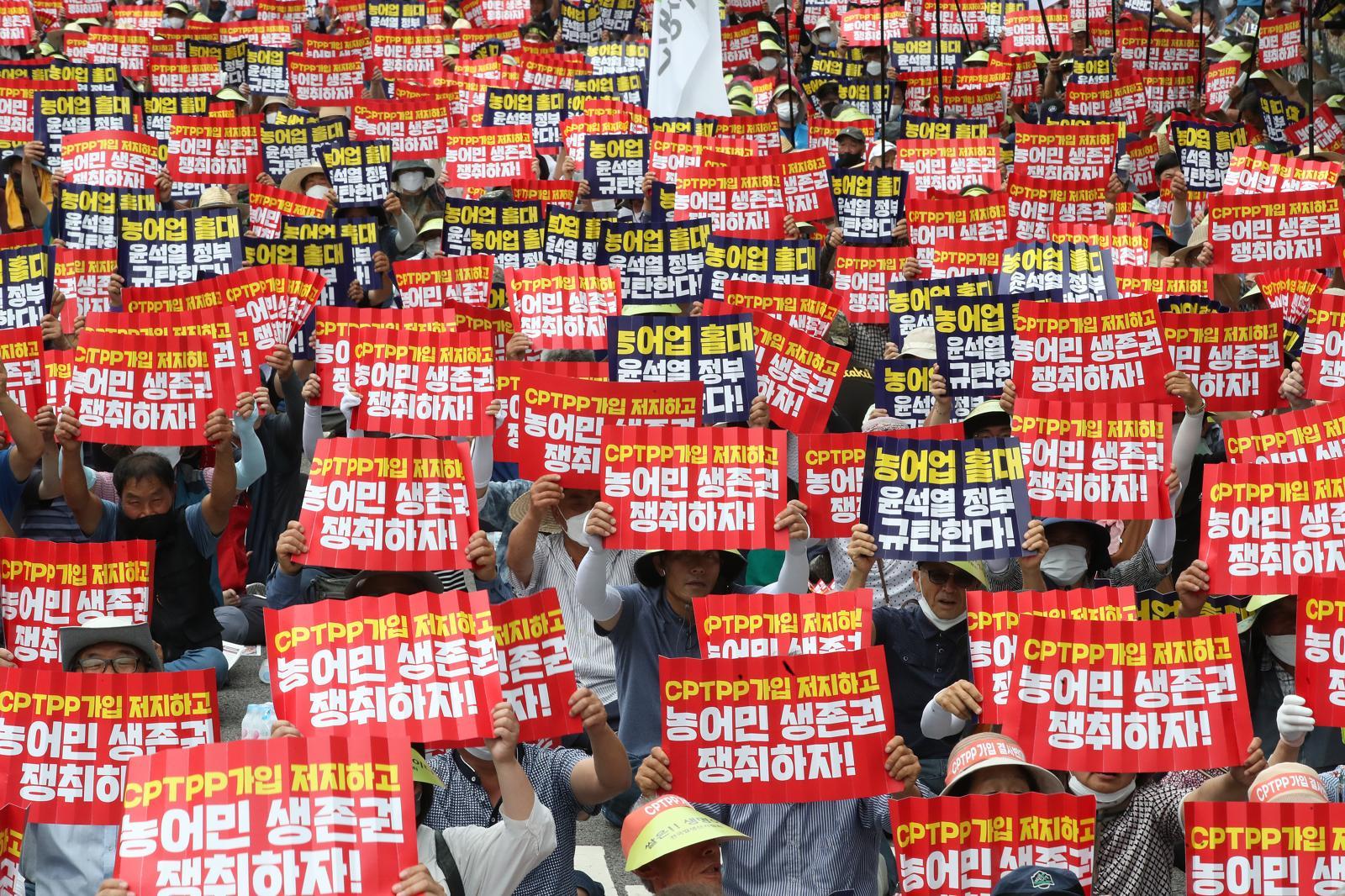
A planned pension overhaul was scaled back, while the government decided not to apply this year to join a Pacific trade pact after farmers objected.
A plan to reduce tax benefits for existing investment accounts was also dropped after opposition from account holders.
Critics say decisions are being made too quickly, with public resistance prompting changes that weaken confidence in government policy.
Experts say more discussion and review before policies are announced could help prevent this cycle; the sources describe no specific next step.

South Korea’s government has repeatedly revised or withdrawn major policies after facing public backlash, raising concerns about trust in its decision-making.
The reported reversals span economic, social and welfare policies, including farmland inspections, single-stock leveraged ETFs and basic pensions.
The government also shelved plans to apply to join the Comprehensive and Progressive Agreement for Trans-Pacific Partnership this year.
Experts say policies announced without enough prior review are later amended under pressure, undermining public confidence.
A Seoul National University professor called for more deliberation and less public presidential messaging on detailed policies.
- Who
- South Korea’s government, led by President Lee Jae-myung.
- What
- It has repeatedly revised or abandoned policies after backlash, prompting concerns about policy credibility.
- When
- The article was published on October 11, 2026; it describes developments during the year.
- Where
- South Korea.
- Why
- The article says policies were often announced without sufficient prior review and later changed after public opposition.
This story does not have two clearly opposing sides.
Because speed is prioritized, policies give the impression of being decided impulsively, and confidence in them is also shaken when they retreat during implementation.
The president should refrain from public messages on detailed policies, and the policy-making process should change so that sufficient deliberation can take place.
The government formalized discussions on joining the Comprehensive and Progressive Agreement for Trans-Pacific Partnership.
The government had decided not to apply to join the agreement within the year, citing opposition from farmers and fishing communities.
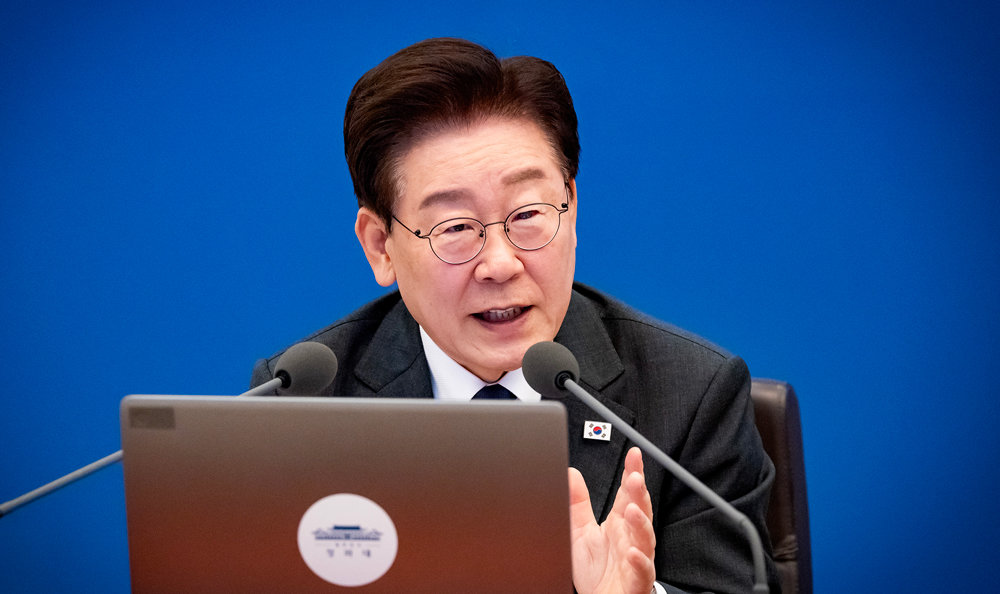
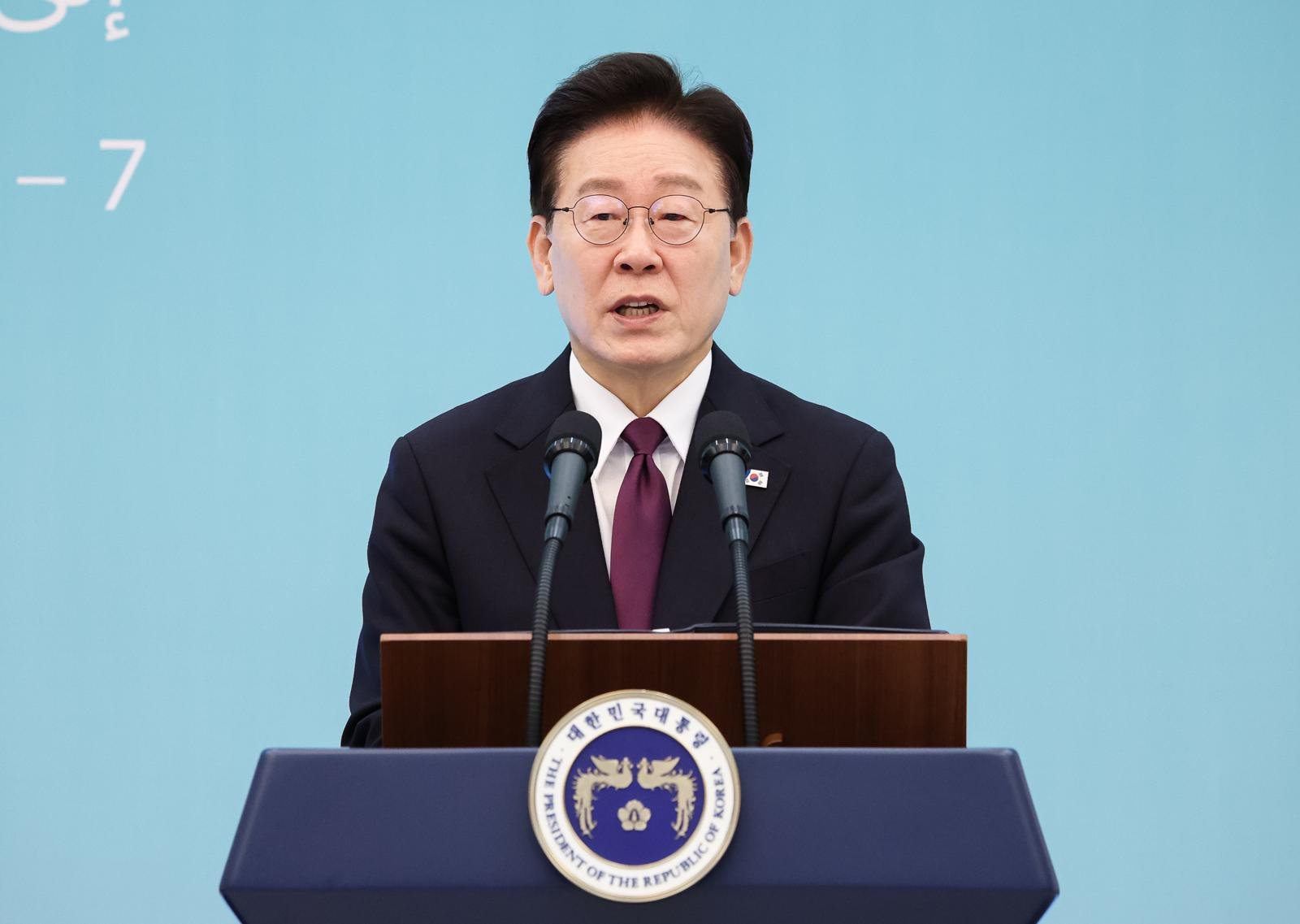
President Lee Jae-myung spoke at a Cabinet meeting at the Blue House.
Donga Ilbo reported that repeated policy revisions and withdrawals were weakening trust in government policy.
- President
- Lee Jae-myung
- Approval rating
- In the 30% range, according to the article
- CPTPP
- No application to join planned within 2026
- Basic pension proposal
- Monthly increase of 30,000 won for the lowest-income 30%
- Reported date
- October 11, 2026
Sources
Related news
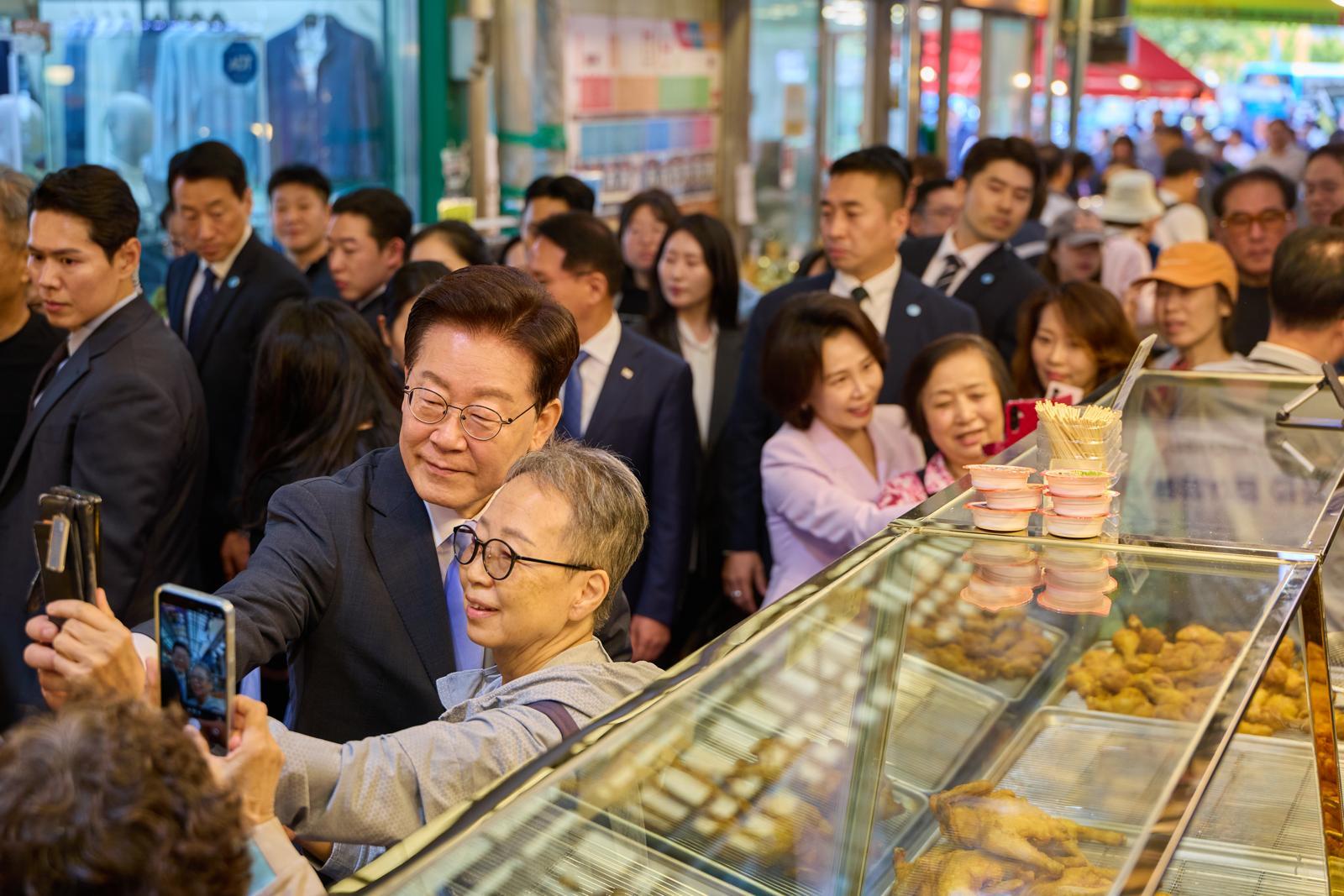
Lee says he will continue social media outreach and visits to local communities
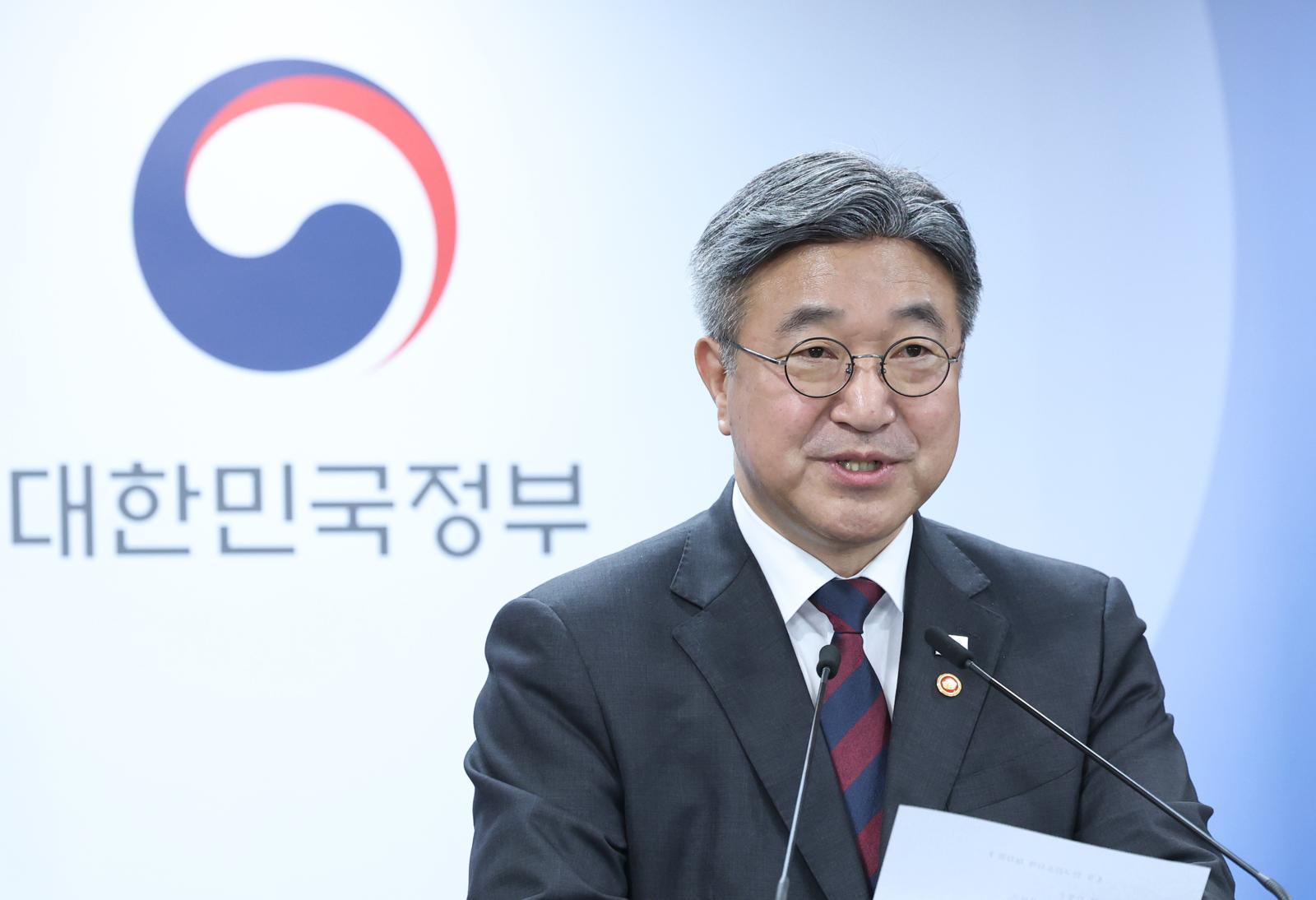
South Korea’s interior minister orders inspection of regional investigation chief
South Korea parties trade accusations over lawmakers’ children
South Korea puts CPTPP membership application on hold this year
South Korea faces criticism over rushed policies and repeated reversals
South Korea’s president says he will continue communicating through social media
South Korea’s ruling party divided over nominee for major crimes agency chief

Democrats question whether Han Dong-hoon interfered in inquiry involving daughter
Ceiling collapse at Daegu supermarket injures 36

South Korea opposition calls for unification minister to resign

South Korean president criticizes party hardliners over reform and appointments