Health · Fitness & Nutrition · 1 day ago
Four everyday habits linked to healthier aging

There is no magic formula for aging well.
The article points to four everyday habits: moving regularly, getting restful sleep, eating a balanced diet and keeping personal connections.
These habits can help people maintain strength, mobility and mental well-being.
The goal is to support independence as people age.

A report by Infobae, drawing on recommendations collected by GQ, identifies physical activity, sleep, nutrition and personal relationships as habits that can support longevity and quality of life.
The guidance emphasizes maintaining independence and everyday abilities, including walking, balance, muscle strength and mental health, rather than preserving a youthful appearance.
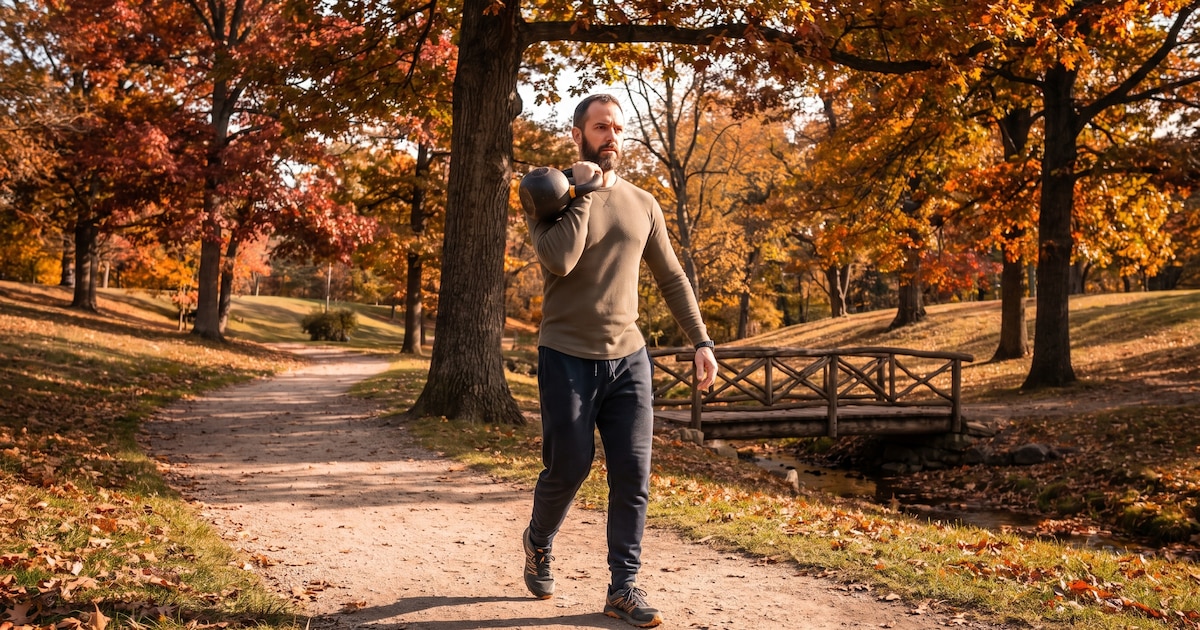
For exercise, the advice favors starting with enjoyable activities and building a consistent routine instead of beginning with intense training.
Good sleep depends on both duration and quality, with regular schedules and fewer interruptions among the suggested measures.
The nutrition guidance favors a varied diet of fresh foods and recommends limiting ultra-processed products and alcohol.
Psychologist Ryan C. Warner says personal relationships can support mental and cognitive health and provide companionship and support.
- Who
- Psychologist Ryan C. Warner offered the habits; the recommendations are reported by Infobae and attributed to GQ.
- What
- Four everyday habits are presented as foundations for longevity and quality of life.
- When
- Published October 10, 2026.
- Where
- Not stated
- Why
- To support healthy aging, independence and physical, mental and cognitive well-being.
This story does not have two clearly opposing sides.
No direct quotes in the coverage so far.
This story does not have a timeline yet.
- Habits identified
- Physical activity, rest, nutrition and personal relationships
- Psychologist
- Ryan C. Warner
- Exercise examples
- Brisk walking, running, swimming, cycling and sports
- Sleep guidance
- The article says seven or eight hours alone is not enough; sleep quality and continuity also matter.
- Publication date
- October 10, 2026
Sources
Related news
Study links fitness apps with shame and frustration for some users

Planning and portioning freezer foods can make healthy meals quicker

Screen use and poor posture can put added strain on the neck

How prebiotics, probiotics and postbiotics differ
Five simple exercises aim to support strength and balance after 50

Hip tightness is not uniquely linked to stress or past trauma

Japan study warns children’s screen time may increase prolonged sitting

63-Year-Old Says Month of Daily Dead Hangs Improved Mobility and Strength

Dwayne Johnson uses a rice, blueberry and protein shake after training

Keeping sweet potato skin adds fiber and other nutrients

More than 500 cyclists join Hyderabad arthritis awareness ride