

Politics · South Korea · 20 hrs ago
Long-term care of a parent does not automatically mean a larger inheritance
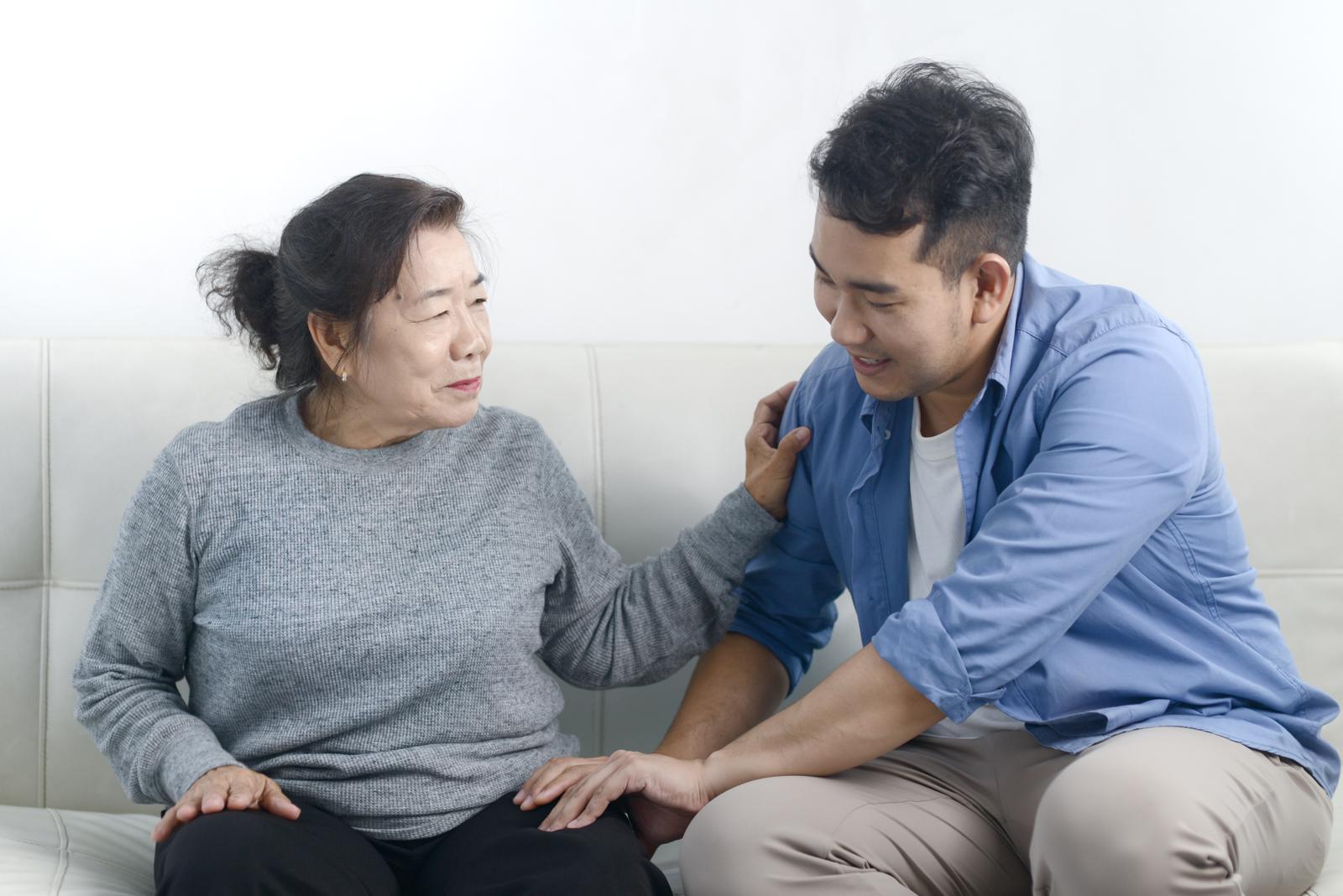
In South Korea, a child who cared for a parent may ask for a larger share of the inheritance than their siblings.
The law calls this extra share a “contribution portion.”
Living with a parent for many years does not automatically qualify; the care or financial help must go beyond what is normally expected of a child.
Courts consider how long and how extensively the child helped, whether others also contributed, and the value of the remaining estate.
Paying for treatment, providing a home, taking on intensive care, or helping preserve the parent’s property may support a claim.
Records such as bank transfers, medical bills, care documents, and property papers can help show what the child did.
If the heirs cannot agree, a family court decides whether to award an extra share.

Caring for a parent for many years does not automatically entitle a child to a larger inheritance.
A child may receive a recognized contribution share if they provided exceptional care or helped preserve or increase the parent’s property.
If heirs cannot agree, a family court considers the length, method and extent of the contribution and the remaining estate.
The assessment depends on what the child actually did, not simply how long they lived with the parent.
Records such as medical documents, receipts and bank transfers can help prove care and financial support.
- Who
- Children inheriting from a parent, including those who claim a contribution share.
- What
- Long-term care does not automatically lead to a larger inheritance, though exceptional support or contributions to property may be recognized.
- When
- The article was published on October 11, 2026.
- Where
- South Korea.
- Why
- The law considers whether a child’s support or contribution went beyond ordinary family care and was significant enough to justify a different share.
This story does not have two clearly opposing sides.
The fact that you supported a parent for a long time alone does not automatically mean a contribution share will be recognized, and the possibility of recognition increases when providing housing, managing property, doing housework, paying treatment costs and providing care are combined rather than merely paying living expenses.
If the deceased was severely impaired, such as having dementia, needed help with daily life, and one child took responsibility for care, the possibility of a contribution share being recognized is high.
The Supreme Court ruled that long-term cohabitation and support beyond basic living costs could qualify as special support.
The Supreme Court rejected a contribution-share claim, finding insufficient evidence of support beyond a child’s basic duty or special contribution to property.
The Civil Act changed, creating an exception concerning property parents gave to a child during their lifetime; the article excerpt does not describe the exception.
- Minimum cohabitation period
- No minimum number of years is set by law.
- Court assessment
- Period, method and extent of contribution, and the remaining inheritance.
- Evidence of care
- Medical records, hospital admission and discharge records, care confirmations and medical bills.
- Evidence of expenses
- Bank transfer records for living expenses or treatment costs.
- Publication date
- October 11, 2026
Sources
Related news

Lee says he will continue social media outreach and visits to local communities
South Korea’s interior minister orders inspection of regional investigation chief
South Korea parties trade accusations over lawmakers’ children
South Korea puts CPTPP membership application on hold this year
Policy reversals raise concerns about trust in South Korea’s government
South Korea faces criticism over rushed policies and repeated reversals
South Korea’s president says he will continue communicating through social media
South Korea’s ruling party divided over nominee for major crimes agency chief

Democrats question whether Han Dong-hoon interfered in inquiry involving daughter
Ceiling collapse at Daegu supermarket injures 36

South Korea opposition calls for unification minister to resign
