

World · Africa · 1 day ago
US sanctions ICC, drawing criticism from allies and Nobel committee
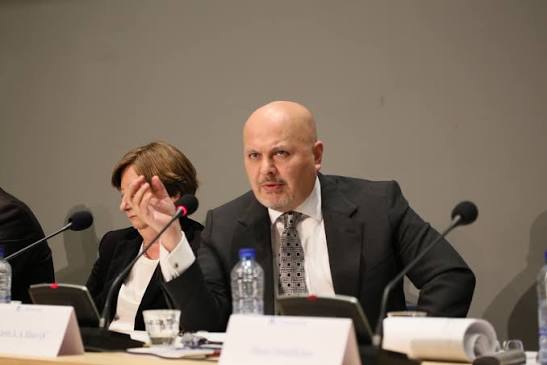
The United States has imposed sanctions on the International Criminal Court, which is based in The Hague and prosecutes serious international crimes.
The measures target companies that provide services to the court and bar US-based companies from working with it.
The US had previously sanctioned some court officials, but this is its first round of sanctions against the court itself.
The measures follow earlier US objections to the ICC’s investigations and arrest warrants, including those involving Israeli Prime Minister Benjamin Netanyahu.
They come hours after former ICC judge Navi Pillay received the 2026 Nobel Peace Prize, though the sources do not say the prize caused the sanctions.
The sanctions could disrupt the court’s banking, insurance and software services, although some transactions are exempt and there is an initial six-month grace period.
Several US allies and the Nobel committee condemned the action, while the ICC urged its 125 member states to defend it and said its work would continue.

The United States imposed sweeping sanctions on the International Criminal Court on Friday, targeting companies that provide services to the court.
The measures bar US-based companies from working with the ICC and could affect its banking, insurance and software services.
The ICC condemned the action as an assault on the rule of law and called on its 125 member states to defend it.
Several US allies, including European countries, Canada and Japan, expressed opposition to the sanctions.
The move came hours after former ICC judge Navi Pillay was awarded the 2026 Nobel Peace Prize.
- Who
- The United States imposed the sanctions on the International Criminal Court.
- What
- The US introduced sanctions targeting companies that provide services to the court.
- When
- Friday, hours after Navi Pillay was awarded the 2026 Nobel Peace Prize. The article was published on 10 October 2026.
- Where
- The sanctions target the Hague-based International Criminal Court.
- Why
- US Secretary of State Marco Rubio said the court was rogue and would never be able to prosecute Americans.
United States
International Criminal Court and opposing allies
Purpose of sanctions
United States
The US said the measures would cut off the court’s resources and address US concerns.
International Criminal Court and opposing allies
The ICC said the sanctions undermine the rule of law and the work of an independent judicial institution.
Impact
United States
The US measures include a six-month initial grace period and exemptions for some transactions.
International Criminal Court and opposing allies
The ICC and several allies said the action threatens the court’s work and the investigation of serious international crimes.
We will ban transactions with this rogue court, cutting off their resources and crippling its ability to operate
Our work will continue across all our situations, our investigations and our prosecutions.
An international legal system in which war criminals are held to account, and the victims of abuse see justice served is a precondition for a peaceful world
We regret and strongly disagree with the announcement of sanctions to be imposed upon the Court by the United States
Navi Pillay sat on the ICC’s Appeals Chamber.
The US President campaigned strongly for the Nobel Peace Prize, according to the article.
The Nobel committee awarded the 2026 Nobel Peace Prize to Navi Pillay.
The United States announced sanctions against the ICC.
- Sanctions target
- Companies that provide services to the International Criminal Court
- Initial grace period
- Six months
- ICC membership
- 125 member states
- Navi Pillay’s ICC role
- Appeals Chamber judge from 2003 to 2008
- Joint statement signatories
- Denmark, Germany, France, Italy, Japan, the Netherlands and the United Kingdom
Sources
Related news
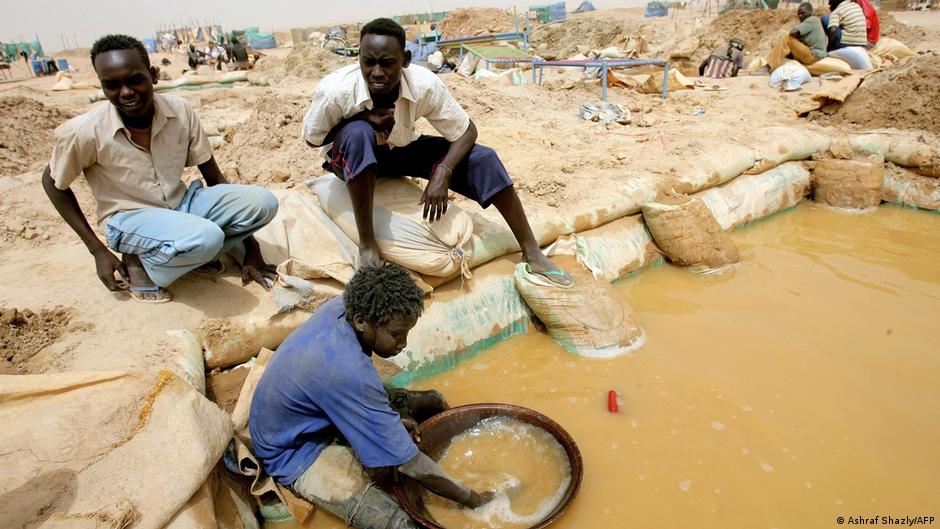
At least 72 miners killed in air strikes in northern Sudan, rights group says

At least 109 dead after migrant boat capsizes off Djibouti

Navi Pillay wins Nobel Peace Prize for work on peace and international law
Nigeria extends space-based intelligence support to military operations
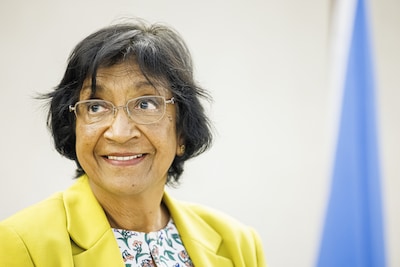
Navi Pillay wins Nobel Peace Prize for work promoting international law

At least 139 dead after migrant boat capsizes off Djibouti

Rights monitor says strike killed at least 72 Sudanese miners
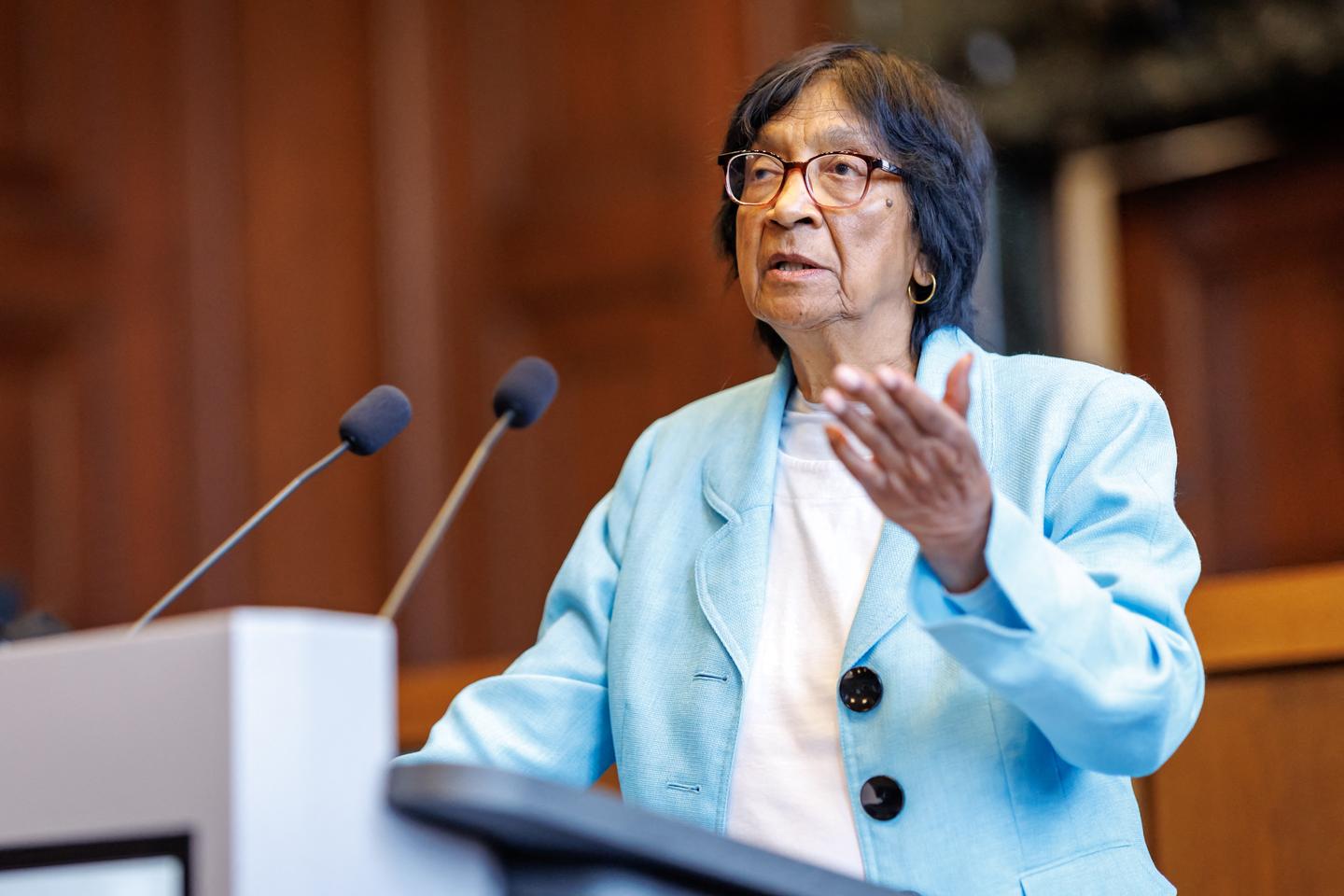
Nobel laureate Navi Pillay condemns US sanctions on International Criminal Court

Drone strike on displaced people’s camp in Sudan kills 41, rights group says

Ambush in eastern Congo leaves at least 20 Vectus team members dead or wounded

Ethiopia and Eritrea trade accusations as tensions rise in Tigray