Health · Public Health & Disease · 1 day ago
Nasal adjuvant protected mice from respiratory viruses for up to 100 days
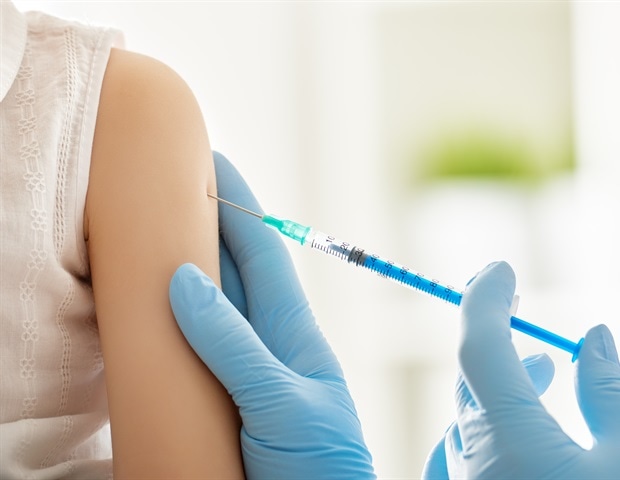
Researchers at the University of Tokyo tested a nasal treatment called K3-SPG in mice.
It is an immune adjuvant, a substance that can stimulate the body's defenses, and it combines synthetic DNA with a type of sugar molecule.
After one dose, mice were better protected against influenza A and SARS-CoV-2 than untreated mice.
Protection was still detectable after 100 days, though it weakened over time, and nasal delivery worked better than other tested routes.
The treatment improved survival and reduced lung damage, but did not substantially lower the amount of virus in the lungs.
The findings suggest it may help the body withstand infection rather than stop the virus from multiplying.
The work was done mainly in mice, so it does not show that K3-SPG protects people; researchers say further studies are needed to assess its safety and effectiveness in humans.

Researchers reported that a single nasal dose of the adjuvant K3-SPG protected mice against influenza A and SARS-CoV-2 in experiments.
Protection against influenza A was still detectable 100 days after treatment, although it weakened over time.
Nasal administration produced stronger protection than giving K3-SPG under the skin or into the bloodstream.
The treatment improved survival and reduced lung damage but did not substantially lower the amount of virus in the lungs.
The researchers found that macrophages were important early in the response and innate lymphoid cells became important later.
The findings are primarily from mice and do not show that K3-SPG protects people; the researchers said further studies are needed.
- Who
- A research team led by Professor Ken Ishii at The University of Tokyo
- What
- A study of whether nasal K3-SPG can strengthen innate immunity and protect against respiratory viruses
- When
- The study is reported as scheduled for publication on October 9, 2026; the News-Medical article is dated October 10, 2026
- Where
- The University of Tokyo, Japan; experiments were conducted in mice
- Why
- To investigate whether innate immunity could provide temporary protection against emerging respiratory viruses before pathogen-specific vaccines are available
This story does not have two clearly opposing sides.
Our research has identified unique mechanisms by which vaccine adjuvants can induce protective innate immunity against respiratory viral infections, suggesting that adjuvants may have potential applications beyond their traditional role in enhancing vaccine responses,
Because an adjuvant-based preventive approach may not require prior knowledge of the specific pathogen, it could potentially provide an additional layer of protection while pathogen-specific vaccines are being developed and manufactured,
This story does not have a timeline yet.
- Adjuvant
- K3-SPG combines a synthetic DNA sequence called CpG oligodeoxynucleotide with the β-glucan schizophyllan.
- Influenza protection
- Protection in mice remained detectable 100 days after one nasal dose, though it waned over time.
- Viruses tested
- Influenza A virus and SARS-CoV-2
- Immune pathway
- The response depended on TLR9 and the inflammatory signaling molecule TNF-α.
- Study leader
- Professor Ken Ishii of The Institute of Medical Science, The University of Tokyo
Sources
Related news

WHO says cause of Russian lab worker’s death remains unknown

Russia ends checks after Siberian lab worker’s death, but cause remains unknown
About 1,300 to 1,400 people seek care after illness in Tokat
Brazil approves first human tests of vaccine against a major malaria parasite

Drug-resistant Shigella is becoming more common in the U.S
CDC monitors US arrivals from Siberia amid concerns over possible plague

Kenya’s First Ebola Patient Travelled Through DR Congo and Uganda Undetected

Kenyan patient suspected of Ebola tests negative in preliminary results
Astra and Indonesian government expand village stunting prevention program
Pasteur chief urges calm amid plague suspicions in Russia

Kozhikode steps up fish market checks amid spoilage and chemical concerns