

Science & Tech · Gadgets & EVs · 1 hr ago
3D printers can release particles and gases, even when using PLA
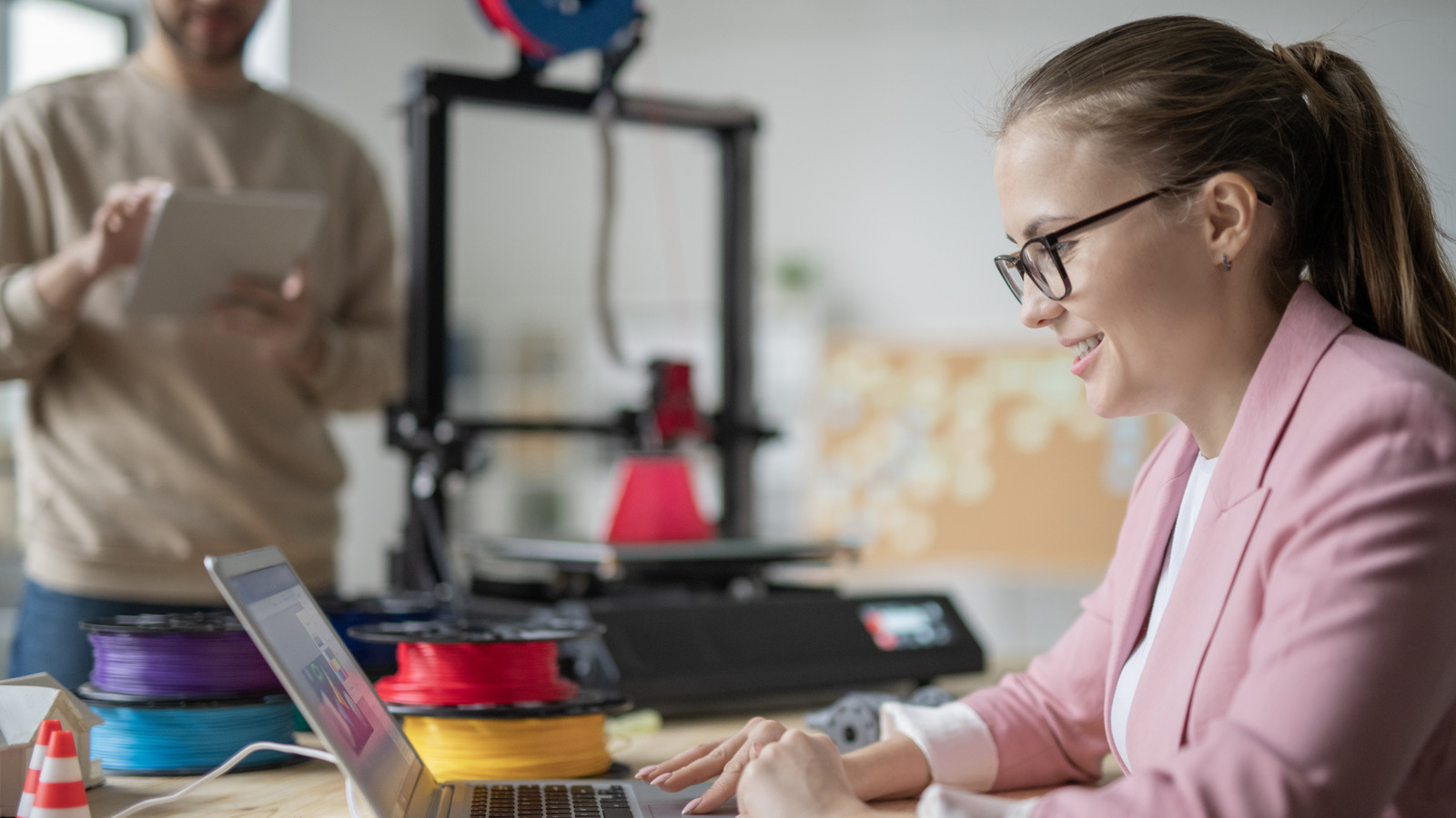
3D printers that heat filament release tiny particles and gases into the air, including when they use PLA, a commonly recommended filament.
The emissions can include particles that reach deep into the respiratory system and volatile organic compounds, some of which may be harmful to breathe.
Tests found that ABS produced more particles than conventional PLA, but emissions vary with the filament, printer temperature and additives.
Laboratory studies observed changes linked to inflammation and cell stress after airway cells were exposed to printer emissions, but they did not establish the effects of long-term exposure at home or a safe level for bedrooms.
Resin printers have different risks: uncured resin can cause skin reactions or asthma, and washing and curing can add exposure to solvents.
A separate room or workshop with ventilation that exhausts outdoors is a better place for a printer than a bedroom or desk, and an enclosure ducted outside can capture emissions near the machine.
Filters can help with particles or some gases, but they do not make a poorly ventilated room automatically safe; people should also limit time near a running printer and keep it away from flammable materials.
If there is no suitable space, a local printing service may be a practical alternative.

Filament 3D printers can release ultrafine particles and volatile organic compounds when they heat material, including PLA.
PLA is generally considered a safer option than ABS, but it is not emission-free.
The article says a separate, well-ventilated room is a better place for a printer than a bedroom or desk.
An enclosure with exhaust ducted outdoors can capture emissions near the printer, while distance alone does not replace ventilation.
Laboratory tests observed changes associated with inflammation and cellular stress in airway cells exposed to printer emissions, but did not establish the effects of long-term exposure at home.
- Who
- People using filament 3D printers at home.
- What
- 3D printers can release particles and gases, including when printing with PLA. The article discusses exposure risks and ways to reduce them.
- When
- During printing, when filament is heated. The article was published on October 11, 2026.
- Where
- Homes, including bedrooms and home offices; a separate, ventilated room is preferred.
- Why
- Heating filament releases airborne particles and gases, some of which may be harmful when inhaled.
This story does not have two clearly opposing sides.
No direct quotes in the coverage so far.
This story does not have a timeline yet.
- Article publication
- October 11, 2026
- Filament emissions
- Ultrafine particles and volatile organic compounds
- Filament comparison
- ABS emitted more particles than conventional PLA in a 2026 test of 17 commercial filaments
- Preferred location
- A separate room or workshop with ventilation that exhausts outdoors
Sources
Related news
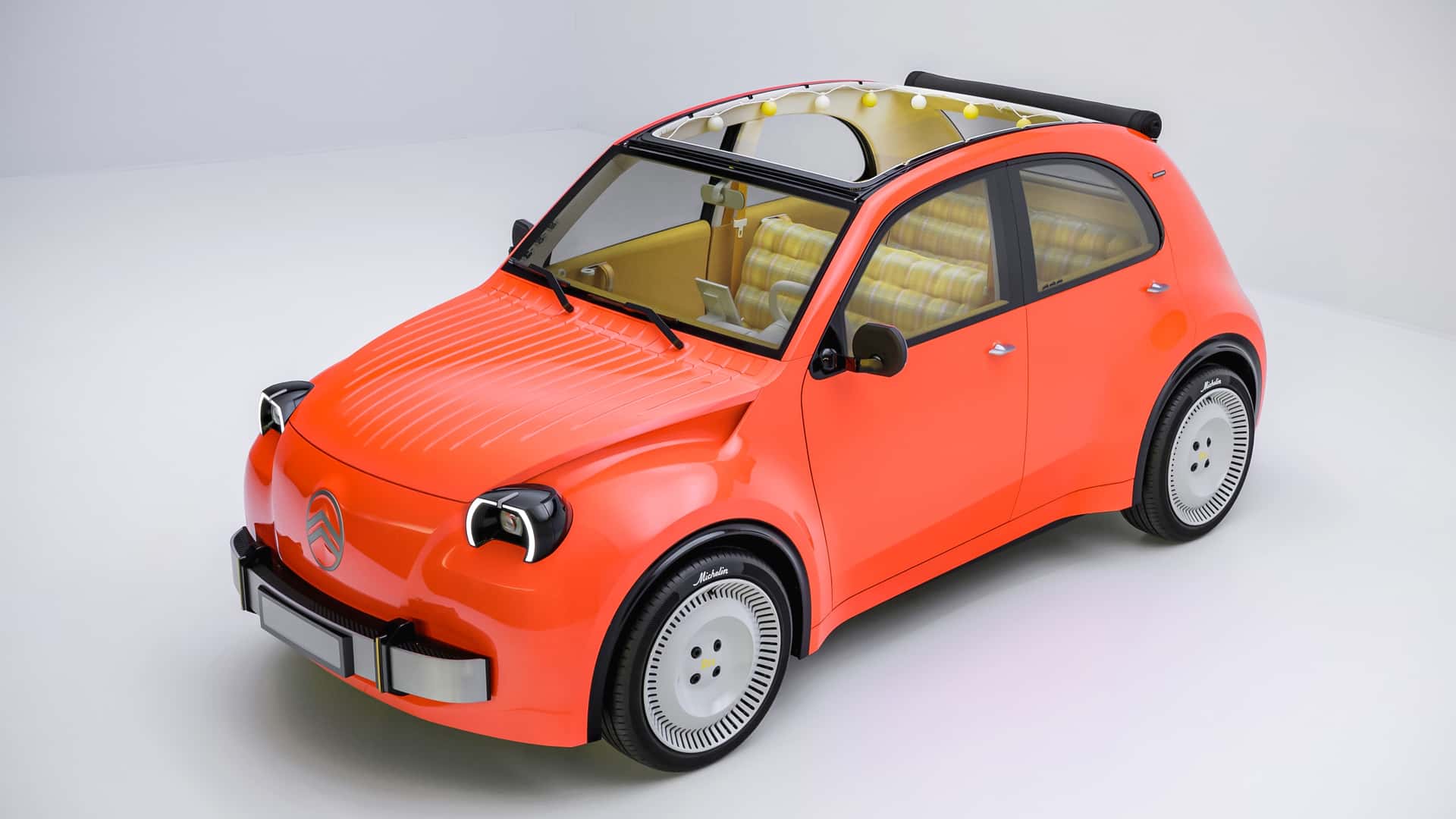
Citroën unveils electric 2CV concept, with production planned for 2028

vivo X500E receives Bluetooth certification ahead of expected launch

Japan’s traditional flip phones fade as smartphone use rises
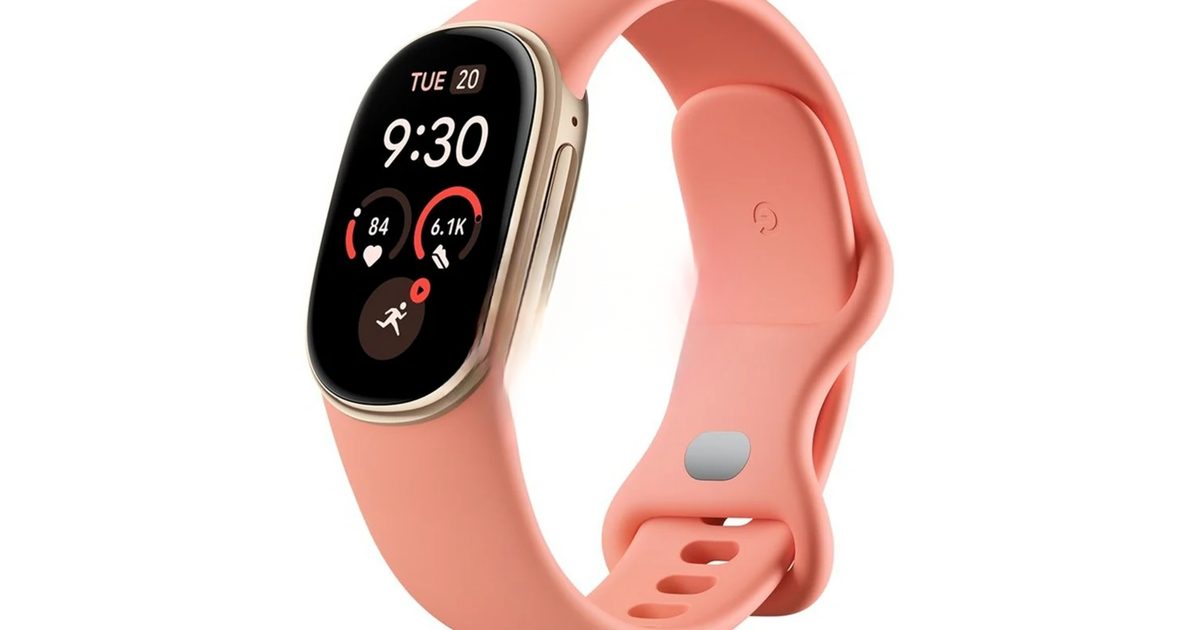
Google teases Fitbit Edge tracker ahead of October 12 announcement

Apple plans large in-store showcase for its first foldable iPhone

Tesla renames its European Full Self-Driving feature Assisted Driving
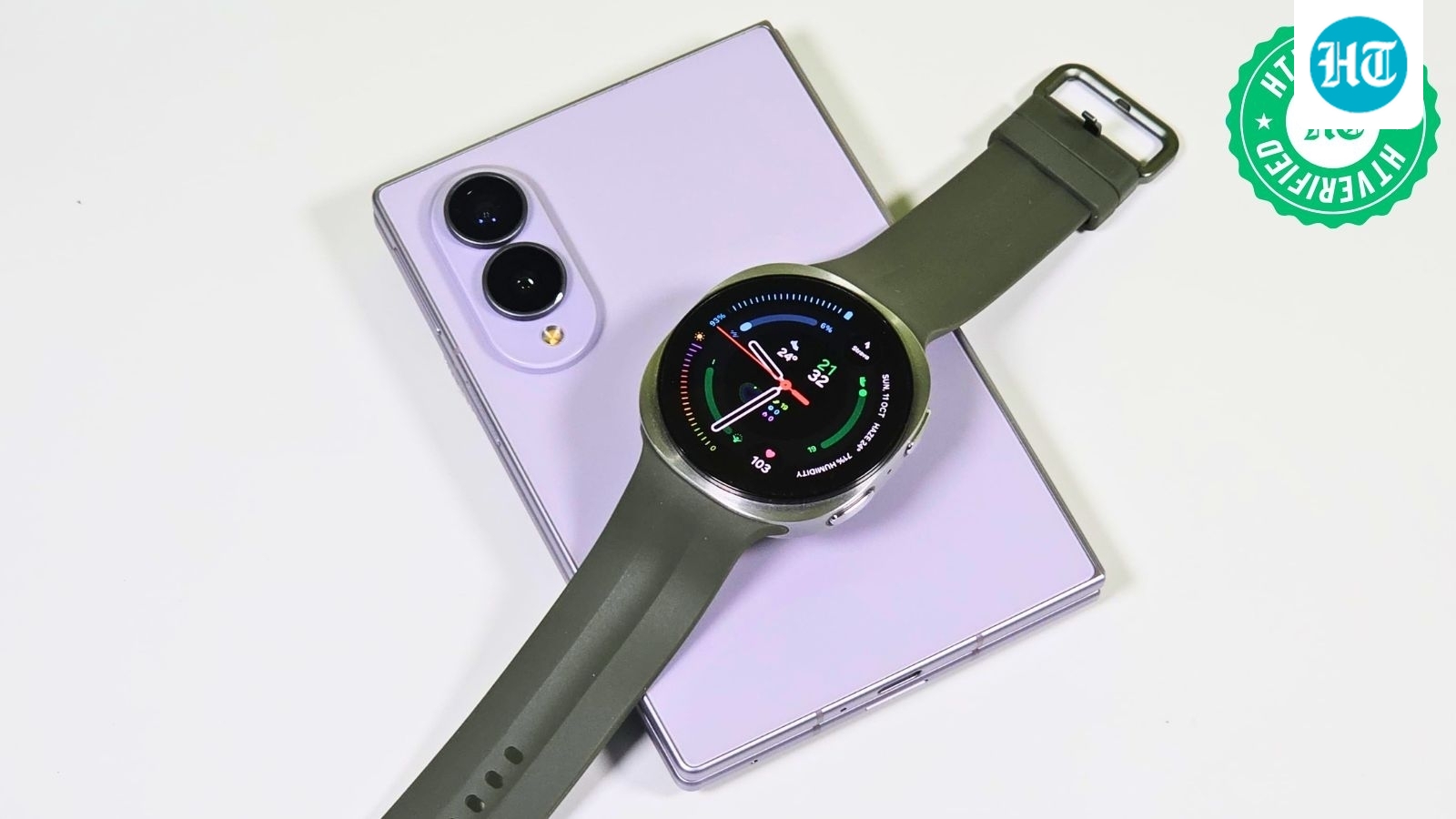
Samsung Galaxy Watch 9 delivers strong performance but modest upgrades

U.S. Apple Stores to personalize iPhone Duo’s first startup greeting

Amazon unveils Android Alexa tablets with Google Play access

Galaxy S27 Ultra may use Qualcomm chips in every market

Next iPad mini may cost about $799, up from $599
