

Business · Companies · 2 hrs ago
Hansol Paper Earns EcoVadis Platinum Rating for Fourth Straight Year

Hansol Paper, a South Korean company, said on Oct.
13 that it received a Platinum rating in EcoVadis’ sustainability assessment for the fourth year in a row.
EcoVadis evaluates companies in more than 180 countries on environmental issues, labor and human rights, ethics, and sustainable purchasing.
Its Platinum rating is reserved for the top 1% of companies assessed.
Hansol Paper said it scored well on areas including climate change, water management, biodiversity, resource recycling, and responsible sourcing.
The rating reflects the company’s reported policies, actions, and performance in sustainability.
Hansol Paper said it plans to keep linking its environmental and social priorities to its business, including by cutting carbon emissions and improving supply-chain management.

Hansol Paper earned EcoVadis’s Platinum rating for the fourth consecutive year.
The rating is awarded to companies in the top 1% of EcoVadis’s sustainability assessment.
EcoVadis assesses companies in four areas: environment, labor and human rights, ethics, and sustainable procurement.
Hansol Paper received high marks for its policies, implementation and performance management across sustainability issues.
- Who
- Hansol Paper.
- What
- It earned EcoVadis’s Platinum sustainability rating for the fourth consecutive year.
- When
- The company announced the rating on October 13, 2026.
- Where
- Not stated.
- Why
- It received high marks for its policies, implementation and performance management across sustainability issues.
This story does not have two clearly opposing sides.
This story does not have a timeline yet.
- Rating
- Platinum
- Consecutive years
- 4
- EcoVadis rating position
- Top 1%
- Assessment areas
- 4: environment, labor and human rights, ethics, and sustainable procurement
- EcoVadis coverage
- About 150,000 companies in more than 180 countries and regions
What people are saying
We will link key ESG tasks, including advancing resource circulation, reducing carbon emissions, realizing social values in safety and human rights, and managing a responsible supply chain, to our business competitiveness and deliver tangible results.
Sources
Related news

Hyundai Green Food adds care support for employees’ older relatives
APR shares fall as forecast points to weaker-than-expected third-quarter profit

Shoemarker shoes to be available for delivery through Baemin in South Korea

Samsung Electro-Mechanics executive honored for MLCC technology work

South Korea’s Kospi falls below 6,000 after five-day slide

South Korea’s KOSPI falls more than 6% below 6,000 in trading

Broadcom and Intel CEOs warn funding could limit AI growth
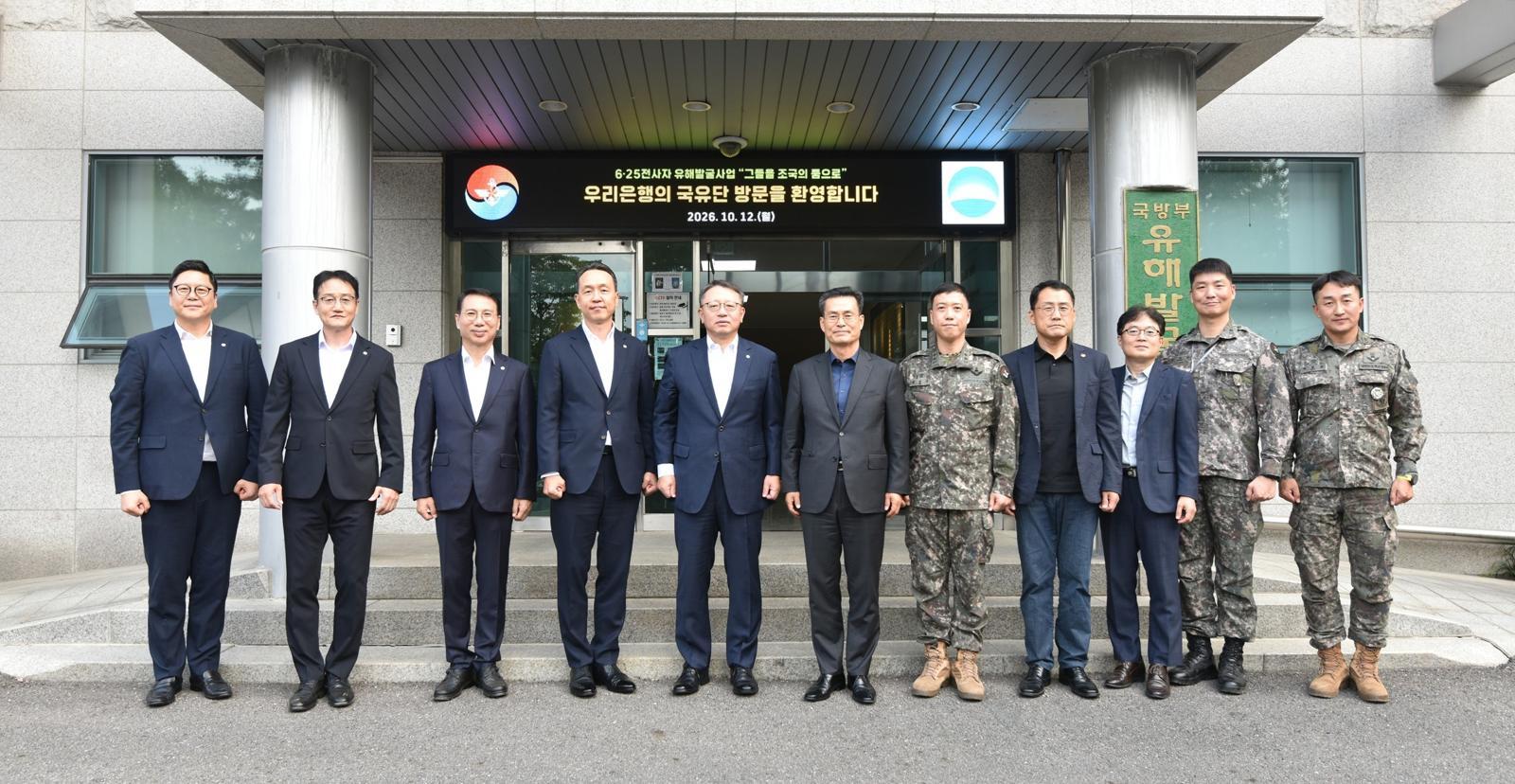
Woori Bank gives 10 million won to military remains recovery agency

KIWOOM ETF to pay 146 won per share in October distribution

Southeast Asia emerges as a market for South Korea’s KF-21 fighter

KOSPI triggers five-minute trading halt as losses exceed 4%