Business · Trade · 1 day ago
Saudi Arabia allows individuals to import livestock every six months
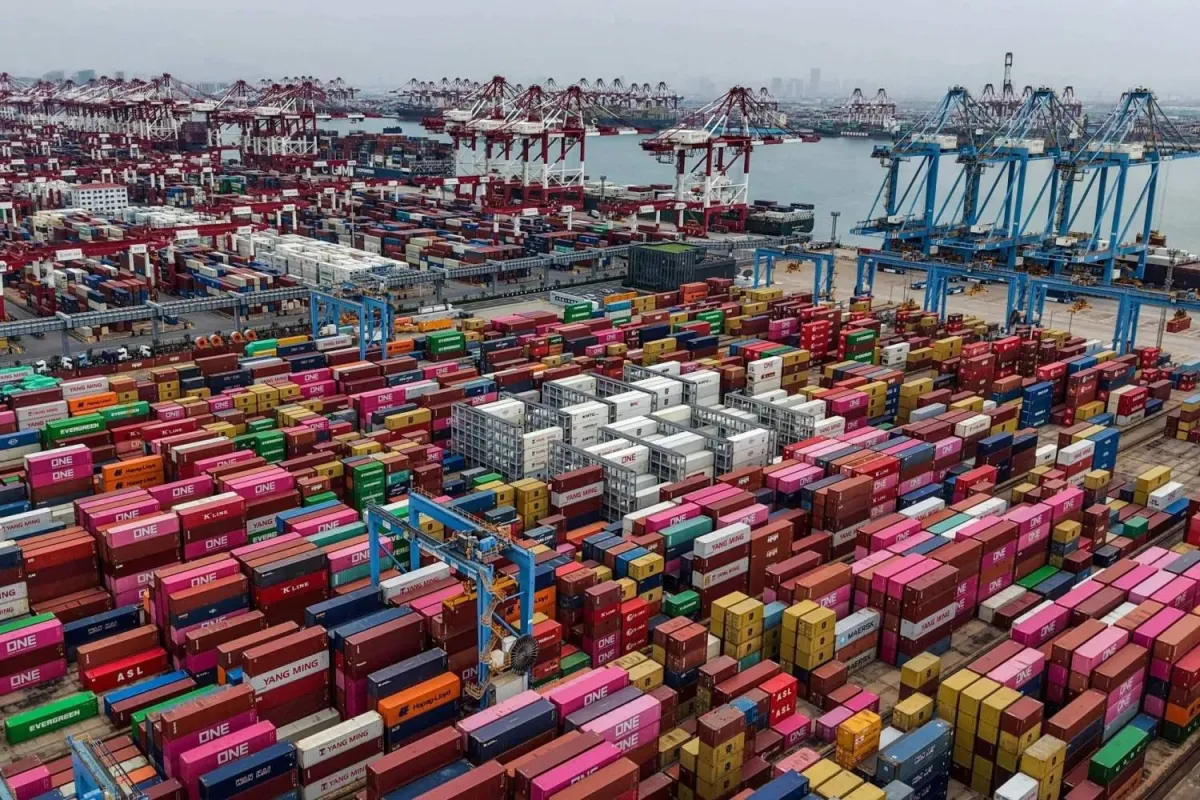
Saudi Arabia has opened livestock imports to individuals, including citizens and residents.
Every six months, a person may import up to 100 sheep or goats, 15 cattle, or 15 camels.
The move is intended to increase supply and competition as red meat prices have risen.
More imported animals could put short-term pressure on prices, but a lasting reduction is not guaranteed.
Local breeders face high feed costs, which make raising livestock more expensive.
A breeders’ association leader also said it needs to be clarified whether imports can include breeding females and which countries can export them.
Livestock traders and specialists say lower feed costs and support for local breeders will also matter if the market is to offer more affordable meat over time.

Saudi Arabia allows individuals to import livestock every six months, with limits on the number and type of animals.
The limits are 100 sheep or goats, 15 cattle, or 15 camels per person in each six-month period.
The policy aims to increase supply and help stabilise red meat prices.
Experts say imports could put pressure on prices, but any lasting decrease would depend on import and transport costs and local production expenses.
A livestock breeders’ association leader raised questions about importing breeding females and warned that high feed costs are putting pressure on local breeders.
- Who
- Individuals who are Saudi citizens or residents may import livestock.
- What
- They may import up to 100 sheep or goats, 15 cattle, or 15 camels every six months.
- When
- Every six months. The article was published on 10 October 2026.
- Where
- Saudi Arabia.
- Why
- The policy aims to increase livestock supply, support market stability and help lower red meat prices.
This story does not have two clearly opposing sides.
It is important to know the fate of our local livestock because feed prices are high now, and what will happen when imported livestock enters: will their prices fall or rise? This puts pressure on livestock breeders and pushes them to sell their animals and give them up.
Increasing imported supply may put pressure on prices, but it will not be enough on its own if the cost of raising and producing livestock locally remains high.
The government approved an import-licensing guide allowing individuals to import specified numbers of livestock every six months.
Asharq Al-Awsat published an article discussing the policy and its possible effects on livestock supply and red meat prices.
- Import interval
- Every six months
- Sheep and goats
- Up to 100 per person
- Cattle
- Up to 15 per person
- Camels
- Up to 15 per person
- Policy aim
- Increase supply and help stabilise red meat prices
Sources
Related news

Volvo to distribute Lynk & Co cars in Europe, aiming to boost dealer profits
China and EU agree to cut hybrid car exports by more than half

Huawei’s European-style Chinese campus supports 25,000 R&D staff

EU reaches deal to protect hybrid-car sector from Chinese imports

Chinese investment grows as African lithium production expands

EU says China will moderate hybrid car exports to Europe

Tim Cook makes third China visit of 2026 as Apple executive chair

China farms far more pirapitinga than Brazil, but not tambaqui

China adds 10.52 million urban jobs in first nine months of 2026

EU plans four-year cap on hybrid vehicle imports, starting at 350,000
China’s central bank rejects claims it keeps the yuan weak for trade